



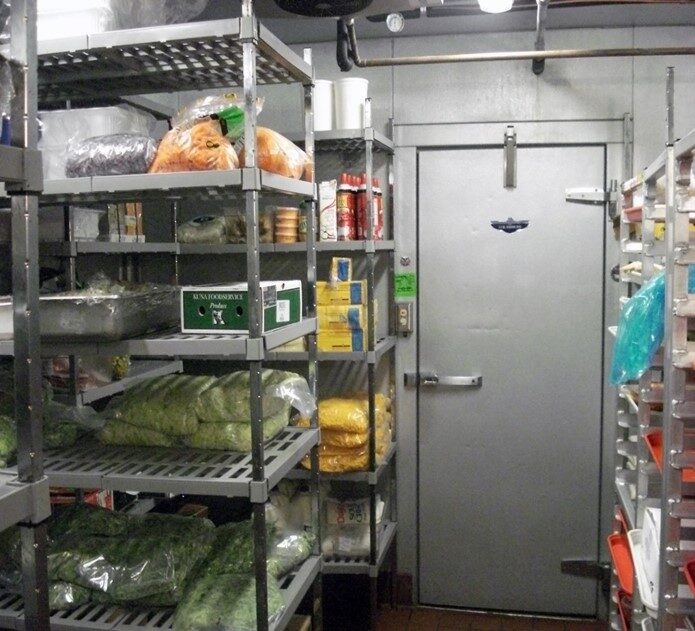


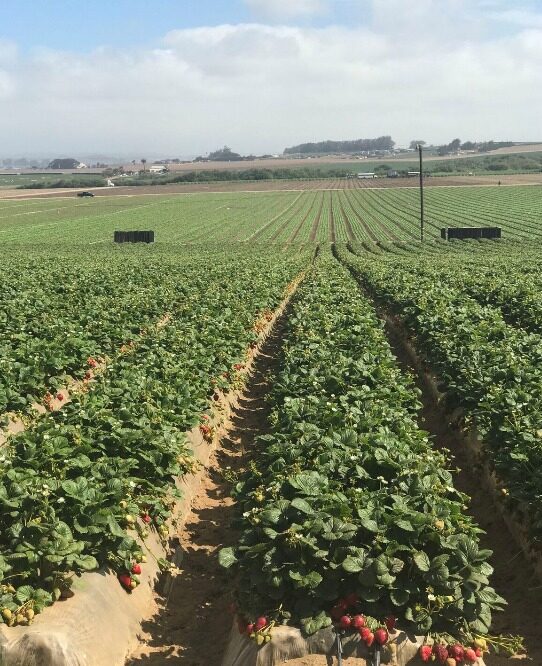

\r\n\r\nMost restaurant chains have a list of proprietary products that must be available to all locations. These are the products that identify their brand and separate them from their competition. If a distribution center only services one or two locations, stocking those items may a challenge due to low usage, minimum order requirements, shelf life challenges, higher freight costs, etc.\u00a0 When possible, the number of distributors should be limited to maximize the volume, costs and efficiencies.\u00a0 However, if a location is too far away from the distribution center, additional costs will likely be incurred due to the extra miles involved, especially if the location is outside the distributors normal \u2018delivery zone.\u2019 Order lead times are longer and the ability to recover from mis-picks, missing items, or damaged products are much more challenging.\u00a0 In this situation, it might make sense to set up a new distribution center.\u00a0 Both scenarios should be reviewed to determine which option is most suitable.\r\n<h2>Supply Chain Checklist for a New Restaurant Opening<\/h2>\r\nThere is an extensive checklist of items that should be considered for a new restaurant opening.\u00a0 Here are some of the big ones from a supply chain perspective.\r\n\r\n<img class=\"alignnone size-full wp-image-13189\" src=\"https:\/\/consolidatedconcepts.net\/wp-content\/uploads\/2018\/06\/Graphic-1.png\" alt=\"Graphic showing key supply chain steps for opening a new restaurant including distributor setup, product and order guide alignment, delivery logistics planning, equipment coordination, health inspection readiness, and initial inventory orders\" width=\"1650\" height=\"444\" \/>\r\n<h3>Distribution<\/h3>\r\nHave your distributors identified well in advance. Determine if a \u2018broadline\u2019 distributor will be able to supply all products or if additional distributors are needed for specialty categories such as produce, meat, seafood, dairy, etc.\u00a0 Distributors will be key to the success of any restaurant.\u00a0 They can make or break you so it\u2019s critical to partner with the right distributors.\u00a0 It\u2019s important to have accounts established in advance to avoid any issues with credit and confirm that everything you need to run your restaurant can be supplied by the chosen distributors.\r\n<h3>Product List \/ Order Guide<\/h3>\r\nHave all necessary products, specifications, and supplier contracts identified with the appropriate distributors.\u00a0 If you are using the same distributor from existing locations, this is an easier process since the items needed are already being supplied.\u00a0 However, if a new distribution center is going to be used, the process to match the products, load any established contracts, and bring the proprietary items into stock can have an extensive lead time.\u00a0 A cost analysis should be conducted that considers any pack size variances on alternative items; make sure the cost per unit (i.e. pound, ounce, each) is being compared, not just the cost per case.\u00a0 A minimum of 90 days should be dedicated to getting a new distribution center set up.\r\n<h3>Deliveries<\/h3>\r\nIdentify delivery restrictions and make sure any necessary accommodations are made to ensure deliveries can be made.\u00a0 Some restrictions may include special equipment for deliveries, dock height\/length, stairs, security clearance, hours allowed for deliveries, etc.\u00a0 It is strongly recommended that distributors make a \u201cdry run\u201d to identify and avoid any potential issues that might take place on the routing and initial delivery.\u00a0 Another important factor is to have a consistent delivery driver.\u00a0 Consistent drivers will know the idiosyncrasies related to the deliveries.\u00a0 If the delivery drivers change frequently, there will be relative problems and delays which is never good for the time-sensitive restaurant industry.\r\n<h3>Equipment Installations<\/h3>\r\nFor larger chains the construction team usually coordinates the installation of the major pieces of equipment, but supply chain commonly helps coordinate the installation of soda fountain machines, tea brewers, and possibly coffee brewing equipment.\u00a0 Suppliers should be contacted and provided with the appropriate dates for installation of this equipment which needs to be coordinated with construction since electricity and water are required.\u00a0 And don\u2019t just assume that the suppliers just have equipment readily available on the shelf.\u00a0 Be sure to give them as much notice as possible so they can reserve the appropriate models in the appropriate quantities for the required dates.\u00a0 All equipment should be properly tested & calibrated, and training should be provided to all employees that may be involved in the use of the equipment.\r\n<h3>Items required for Health Inspection<\/h3>\r\nPrior to opening a new location, specific items will be needed from your suppliers & distributors to pass the health inspection.\u00a0 Nothing can stop progress of a restaurant opening than failing a health inspection.\u00a0 It is critical to know what is needed, when they are needed, and the quantities required to meet the inspection requirements.\u00a0 Outside of the construction responsibilities, typical items needed from supply chain include hand soap, hand towels, dispensers, cleaners\/sanitizers and a first-aid kit.\u00a0 These items can be delivered by the appropriate distributor; however, based on the timeline and the limited number of items it might make more sense just to have these items shipped directly to the restaurants via UPS\/FedEx from the manufacturers.\r\n<h3>Initial Orders<\/h3>\r\nMost products will be needed prior to the actual opening for staff training purposes.\u00a0 Unless perishability is a concern, the distributors should have all required products in stock at least one week before the initial order, preferably farther in advance to give more time to recover from any issues or delays in the supply chain.\u00a0 \u00a0To avoid any items being missed for the opening order, the order should be placed several days in advance with a specified delivery date and time.\r\n\r\nDistributors should pick and palletize the order and stage it for delivery to make sure all items on the order are reserved for the shipment to the restaurant.\u00a0 By placing and picking the order several days in advance, distributors have time to recover if anything is missing which is critical to the opening of the restaurant.\r\n\r\nThere are many unknowns for a restaurant opening. Challenges are inevitable. However, with proper planning and supply chain strategies there will be less opportunity for the unknowns to ruin opening day of your restaurant.","post_title":"Supply Chain Planning for a New Restaurant Opening","post_excerpt":"","post_status":"publish","comment_status":"closed","ping_status":"closed","post_password":"","post_name":"supply-chain-planning-for-a-new-restaurant-opening","to_ping":"","pinged":"","post_modified":"2026-07-31 15:07:24","post_modified_gmt":"2026-07-31 15:07:24","post_content_filtered":"","post_parent":0,"guid":"https:\/\/consolidatedconcepts.net\/?p=1177","menu_order":0,"post_type":"post","post_mime_type":"","comment_count":"0","filter":"raw"},{"ID":1287,"post_author":"11","post_date":"2018-08-02 14:02:23","post_date_gmt":"2018-08-02 19:02:23","post_content":"<h2>Bacon is Trending: Do you know Which Type is Best For Your Operation?<\/h2>\r\nBringing home the bacon for your restaurant could be as simple as adding a comprehensive and exciting breakfast menu to your operation. According to the NPD restaurant group, breakfast consumption is forecasted to increase by 5% by 2019 and global trends in dining are continuing to make waves in the breakfast category. As a restaurant operator, it\u2019s important for your kitchen staff to find ways to save time while still appeasing and delighting diners during the morning rush.\r\n\r\nOne breakfast favorite that makes any menu item, from Breakfast Poutine to Huevos Rancheros, stand out is bacon. In the United States, bacon is still listed as one of the top menu items in breakfast foods and easily fits into your grab and go menus, from bowls to sandwiches. However, as any good chef knows, no two kinds of bacon are the same. So when reaching out in your supply chain, it\u2019s important to make the best decision for your menu needs. One easy solution is to look towards ready to cook bacon options which help chefs minimize labor costs while making preparation convenient for your morning rush.\r\n\r\nDo you know the different categories of bacon and which is the right fit for your menu applications? From center of plate applications to quick serve BLT\u2019s, there are three tiers you should know. Gold, silver and bronze bacon types are not only differentiated in price, but in menu applications. Knowing which type makes the most sense for your menu can aid in cost and labor savings that over time will impact your bottom line. Consider the below when purchasing supplies for your kitchen.\r\n<h3><img class=\"aligncenter wp-image-1289 size-full\" src=\"https:\/\/consolidatedconcepts.net\/wp-content\/uploads\/2018\/08\/bacon-ranking.png\" alt=\"bacon rankings visual\" width=\"858\" height=\"226\" \/>\r\nGOLD<\/h3>\r\n<img class=\"alignleft wp-image-1291 size-full\" src=\"https:\/\/consolidatedconcepts.net\/wp-content\/uploads\/2018\/08\/gold-bacon.jpg\" alt=\"gold bacon\" width=\"572\" height=\"129\" \/>\r\n\r\nGold bacon is considered such if the lean protein present extends to 60% or more of slice length. The slices come from the center of the belly and are often sold refrigerated and gas flushed. The typical use of this grade bacon would be for center of plate applications. In order to technically qualify as a \u201cgold\u201d bacon, the slice must be at least 9 inches long, have a 6-inch minimum secondary lean, and the primary lean must be 75% visible.\r\n\r\n \r\n<h3>SILVER<\/h3>\r\n<img class=\"alignleft wp-image-1292 size-full\" src=\"https:\/\/consolidatedconcepts.net\/wp-content\/uploads\/2018\/08\/silver-bacon.jpg\" alt=\"silver bacon\" width=\"573\" height=\"136\" \/>\r\n\r\nSilver bacon is considered such if the lean protein present extends 40% or more of the slice length. It can be refrigerated or frozen and is most commonly used for center of plate and sandwich applications. Typically, the length of these slices is a little longer than gold averaging between 9\u201d to 9.75\u201d.\r\n\r\n \r\n\r\n \r\n<h3><strong>BRONZE<\/strong><\/h3>\r\n<img class=\"alignleft wp-image-1290 size-full\" src=\"https:\/\/consolidatedconcepts.net\/wp-content\/uploads\/2018\/08\/bronze-bacon.jpg\" alt=\"bronze bacon\" width=\"539\" height=\"128\" \/>\r\n\r\nBronze bacon is the cheapest and also the most frequently seen application for high turn-over restaurants. These slices are almost always sold frozen and most commonly used for sandwich and buffet applications. Typically, these pieces vary in length from 8.5\u201d to 11\u201d and there\u2019s a standard of a 1\u201d secondary lean that must be at least 25% visible.\r\n\r\n \r\n\r\n \r\n\r\n---\r\n<em>From Smithfield<\/em>: The <a href=\"https:\/\/smithfieldfoodservice.com\/\">Smithfield<\/a> family of brands offers operators a full range of ready-to-cook bacon choices to meet your back-of-house needs. Our ready-to-cook sliced bacon options include single slices on parchment paper to make preparation convenient and quick, our shingled slices allow for convenient separation, and our sliced slabs are economical. Available in honey-cured, applewood-smoked and hickory-smoked flavors. <a href=\"https:\/\/consolidatedconcepts.net\">Consolidated Concepts<\/a> works directly with Smithfield to bring you cost savings.","post_title":"Bacon: It\u2019s on Trend","post_excerpt":"","post_status":"publish","comment_status":"closed","ping_status":"closed","post_password":"","post_name":"know-your-bacon-its-on-trend","to_ping":"","pinged":"","post_modified":"2026-07-31 15:07:23","post_modified_gmt":"2026-07-31 15:07:23","post_content_filtered":"","post_parent":0,"guid":"https:\/\/consolidatedconcepts.net\/?p=1287","menu_order":0,"post_type":"post","post_mime_type":"","comment_count":"0","filter":"raw"},{"ID":1321,"post_author":"11","post_date":"2018-08-21 11:35:54","post_date_gmt":"2018-08-21 16:35:54","post_content":"When it comes to efficiently running your food service operation, more operators are joining Group Purchasing Organizations (GPOs). \u00a0GPOs and consultants offer various types of services and sources that help boost the bottom lines of their members. Some of these services support day to day operations while other services help impact cost savings. GPO services can include:\r\n<ul>\r\n \t<li>fully outsourced supply chain management<\/li>\r\n \t<li>individual project-based services like location scouting or specific sourcing<\/li>\r\n \t<li>custom contract negotiations for individually spec\u2019d items<\/li>\r\n \t<li>Master Distribution Agreement (MDA) negotiation<\/li>\r\n \t<li>product recommendations and vetting<\/li>\r\n<\/ul>\r\nAmong all of these services, however is one that can be incredibly beneficial, and easily attainable for operators: Blanket Manufacturer Contracts.\r\n<h2><strong>What is a Blanket Contract?<\/strong><\/h2>\r\nBlanket Manufacturer Contracts are valuable volume-based contracts that GPOs negotiate with manufacturers and service providers. GPOs like <a href=\"https:\/\/consolidatedconcepts.net\">Consolidated Concepts<\/a> have thousands of members. The large combined volume of the GPO\u2019s membership appeals to food and supplies manufacturers who offer exclusive pricing and contract terms to GPO members. Members of the GPO get hundreds of contracts made available to them instantly, including broadline grocery products, produce, paper products and even chemicals. These volume-based contracts can mean major savings for the operator. Savings take three basic forms: deviations off invoice pricing, manufacturer rebates (paid monthly, quarterly or annually), or service discounts.\r\n\r\n<img class=\"alignnone size-full wp-image-13187\" src=\"https:\/\/consolidatedconcepts.net\/wp-content\/uploads\/2018\/08\/Graphic-1.png\" alt=\"Graphic illustrating how GPO blanket contracts work, showing operator volume combined by a GPO, better manufacturer pricing and terms, and operator access to pre-negotiated contracts that lead to savings like rebates and discounts\" width=\"1650\" height=\"550\" \/>\r\n\r\nDespite the natural appeal of blanket contracts, some food service operators are still hesitant when it comes to using a GPO to assume these contract benefits. After all, is it not possible to get the same contracts if operators just negotiate for themselves? As a decade-old GPO we\u2019ve seen the hurdles and hardships that the DIY method can create for operators. First of all, negotiating and tracking direct manufacturer contracts costs major time (or consulting fees) for the operator and require a level of contract expertise in order to ensure operators aren\u2019t snared into loopholes and skewed pricing. Secondly, contracts can also often prove restrictive. Operators may be bound by the terms of the contract and may have to meet minimums, agree to exclusivity clauses, or have limited choices when it comes to product selection.\r\n<h2><strong>How do operators take advantage of blanket contracts?<\/strong><\/h2>\r\nIf an operator is already a member of a GPO, taking advantage of blanket contracts is a natural next step after joining. As a member or client of a GPO an operator should aim to get on as many of that GPO\u2019s contracts as possible in order to reap the full benefits of GPO membership. Being a good user of blanket contracts requires the right perspective from the operator side. For example, if an operator has 20 loaded deviations and is on 20 contracts. In order to maximize their cost savings year over year on these contracts, a good goal may be to try and explore 10 more contract opportunities per year or to increase their contract utilization by 50% per year.\r\n\r\nNew contract opportunities are often easy to identify and join if an operator asks the right questions. One way to find about new contracts from a GPO is to request an invoice or usage analysis from the GPO\u2019s analytics or account management teams. Break the contracts into categories and inquire about the best fits in each category: food, non-food, and <a href=\"https:\/\/consolidatedconcepts.net\/blog\/9-ways-technology-can-help-multi-unit-restaurants-manage-indirect-spend-savings\/\">indirect spend.<\/a> Or, ask in a business review, \u201c What new contracts are available and what are some popular contracts that I\u2019m not currently taking advantage of?\u201d By staying in the loop on the new or existing contracts the GPO has access to, operators may be able to find deviations and rebates on items they\u2019re already purchasing or looking to source.\r\n<h2><strong>How do you choose the right GPO for the best blanket contracts?<\/strong><\/h2>\r\nWhile many GPOs offer blanket contracts, finding the right GPO for a restaurant operation is integral. Select a GPO that has a core competency that includes blanket contracts. A great GPO will provide business reviews, compliance reviews, and savings analyses. Additionally, a GPO with the latest software and technology will be able to use that technology to identify contract opportunities for their clients, audit contract pricing, and recommend contract renewal and contract management strategies.\r\n\r\n<img class=\"alignnone size-full wp-image-13188\" src=\"https:\/\/consolidatedconcepts.net\/wp-content\/uploads\/2018\/08\/Graphic-2.png\" alt=\"Graphic outlining key qualities of a strong GPO partner including business reviews, contract compliance and savings visibility, technology-driven insights, pricing audits, and ongoing contract management support\" width=\"1650\" height=\"414\" \/>\r\n\r\nA good GPO will never pose a threat to a restaurant\u2019s existing procurement team.\u00a0 Rather, the GPO should offer extra contracts on top of the existing direct contracts that a CFO, VP of Supply Chain, or Procurement Director has already negotiated on their own. Blanket contracts help in-house staff be more effective at their jobs and are perfect for items for which they don\u2019t have quite as much buying power. Take, for example, beverage napkins: an item that every operator buys in high-volume but is rarely considered a 'core item. With a blanket contract, operators can utilize the GPO\u2019s more aggressive volume-based pricing without going through the hassle of negotiating directly with manufacturers.\r\n\r\nWant to know more about what makes a GPO right for you? Learn more\u00a0<a href=\"https:\/\/consolidatedconcepts.net\/#contact-us\">about Consolidated Concepts here. <\/a>","post_title":"Blanket Contracts: Why It's Good to Be Under the Blanket","post_excerpt":"","post_status":"publish","comment_status":"closed","ping_status":"closed","post_password":"","post_name":"blanket-contracts-food-service-gpo","to_ping":"","pinged":"","post_modified":"2026-07-31 15:07:23","post_modified_gmt":"2026-07-31 15:07:23","post_content_filtered":"","post_parent":0,"guid":"https:\/\/consolidatedconcepts.net\/?p=1321","menu_order":0,"post_type":"post","post_mime_type":"","comment_count":"0","filter":"raw"},{"ID":1423,"post_author":"11","post_date":"2018-11-05 14:52:06","post_date_gmt":"2018-11-05 19:52:06","post_content":"At Consolidated Concepts, we know that whether our clients are health-conscious fast-casual chains or highly-focused burger concepts, food safety is always paramount. Choosing the right vendors and distributors for your meat, dairy, and produce is integral to keeping your restaurant safe from inevitable food recalls and outbreaks. In relation to food safety and produce, Consolidated Concepts chooses to partner with <a href=\"https:\/\/www.freshconceptsinc.com\/\">Fresh Concepts<\/a>. Fresh Concepts is a produce management program with trusted relationships throughout the produce supply chain that negotiates the best produce options for operators. Their close relationships with grower-shippers, integrity-focused business practices, consistent distributor vetting, and innovative tracking systems and technology make them a strong partner for our clients.\r\n\r\n<img class=\"alignleft size-full wp-image-1425\" src=\"https:\/\/consolidatedconcepts.net\/wp-content\/uploads\/2018\/11\/ae4.jpg\" alt=\"\" width=\"419\" height=\"741\" \/>\r\nConsolidated Concepts recently took a few clients out to Salinas, California for what Fresh Concepts calls, the Account Executive Conference. The annual conference gives Consolidated Concepts and our clients a chance to meet grower-shippers, walk the fields, explore new farming technology, and test innovative products. The Fresh Concepts team meets with growers year-round to examine contracts, conduct food safety audits, attend food shows, and host training sessions, but the Account Executive Conference goes beyond offering operators the chance to experience the full value of Fresh Concepts partnership. \u201cWith each visit, our appreciation for those responsible in producing our country\u2019s fruits and vegetables grows. Everyone we bring to the fields has a new perspective the next time they order a salad, it\u2019s a refreshing and humbling experience,\u201d says Chris Rheault Director of Operations at Fresh Concepts.\r\n\r\nMark Cimino, Senior Vice President of Client Relations at Consolidated Concepts, who attended the conference this year, noted, \u201cI was just amazed at the level of sanitation and safety that they practice. I think if people who are buying that product knew what goes into washing their produce they would certainly feel comfortable continuing to purchase from these growers.\u201d Some of the other topics discussed during the conference were the advancements in harvesting technology, the safety measures and technology put in place for the laborers, and what the current political climate and economic climate is doing for laborers and growers in general.\r\n\r\nThe industry is facing many labor challenges due to a reduction in workforce and rising costs. Rob Mater, an account executive in the casino sector at Fresh Concepts noted that \u201cThe amount of work it takes to get a head of Iceberg or Romaine to your local grocer for .99 to 1.29 is astounding.\u201d Growers are creating programs to retain quality workers, including affordable housing and profit sharing in some cases.\r\n\r\nFresh Concepts continues to improve their produce procurement program by having a genuine care and concern for their clients, that esteems client interests better than their own, and puts all their guiding principles into practice.","post_title":"What we learned at the Fresh Concepts Account Executive Conference","post_excerpt":"","post_status":"publish","comment_status":"closed","ping_status":"closed","post_password":"","post_name":"fresh-concepts-produce-management","to_ping":"","pinged":"","post_modified":"2026-07-31 15:07:23","post_modified_gmt":"2026-07-31 15:07:23","post_content_filtered":"","post_parent":0,"guid":"https:\/\/consolidatedconcepts.net\/?p=1423","menu_order":0,"post_type":"post","post_mime_type":"","comment_count":"0","filter":"raw"},{"ID":1619,"post_author":"11","post_date":"2019-01-25 15:06:06","post_date_gmt":"2019-01-25 21:06:06","post_content":"<!-- wp:paragraph -->\r\n<p>Today\u2019s regional and national restaurant and foodservice chains are confronted by a surplus of business and organizational challenges, but none as critical as the <a href=\"https:\/\/consolidatedconcepts.net\/blog\/the-differences-between-direct-and-indirect-spend\/\">direct and indirect impact of purchasing and supply management<\/a>.<\/p>\r\n<!-- \/wp:paragraph -->\r\n\r\n<!-- wp:paragraph -->\r\n<p>With over 30% of revenues being spent on food supply, restaurant operators are increasing focus and resources on developing more operational and cost-effective ways of purchasing, procuring and managing supply. This trend is the logical outcome of increased managerial concern to meet specific supply objectives of quality, quantity, delivery, price, service, and competitive improvement.<\/p>\r\n<p><img class=\"alignnone size-full wp-image-13427\" src=\"https:\/\/consolidatedconcepts.net\/wp-content\/uploads\/2019\/01\/Graphic-2-Compressify.io_.webp\" alt=\"Foodservice distribution graphic showing restaurant supply chain workers unloading produce trucks, highlighting purchasing strategy, distribution agreements, and operational profitability for restaurant chains.\" width=\"825\" height=\"267\" \/><\/p>\r\n<!-- \/wp:paragraph -->\r\n\r\n<!-- wp:paragraph -->\r\n<p>What\u2019s more, negotiations with distributors is receiving increasing emphasis as opposed to competitive bidding, and longer-term contracts or <a href=\"https:\/\/consolidatedconcepts.net\/blog\/master-distribution-agreement\/\">master distribution agreements<\/a> are replacing short-term buying techniques, placing special emphasis on strategies that ensure short- and long-term value for funds spent.<\/p>\r\n<!-- \/wp:paragraph -->\r\n\r\n<!-- wp:paragraph -->\r\n<p>In an interview with Barry Friends of <a href=\"https:\/\/www.technomic.com\/\">Technomic<\/a>, a research and consulting firm servicing the food and foodservice industry, Barry describes the challenges concerning restaurant and foodservice operators, while providing solutions for <a href=\"https:\/\/consolidatedconcepts.net\/blog\/master-distribution-agreement\/\">managing master distribution agreements<\/a>. Barry spent 24 years in executive leadership roles with three of the top five U.S. foodservice distributors \u2014 Sysco, US Foods, and Reinhart \u2014 making him uniquely qualified to share his insight on the complex issues associated with distributors and distribution agreements.<\/p>\r\n<!-- \/wp:paragraph -->\r\n\r\n<!-- wp:heading {\"level\":3} --><!-- \/wp:heading -->\r\n\r\n<!-- wp:paragraph -->\r\n<h2>What Supply Distribution Challenges Do Restaurant Chains Face?<\/h2>\r\n<p><img class=\"alignnone size-full wp-image-13436\" src=\"https:\/\/consolidatedconcepts.net\/wp-content\/uploads\/2019\/01\/Graphic-3-1.webp\" alt=\"Foodservice distribution truck graphic representing the growing complexity of restaurant supply chain management, delivery coordination, inventory oversight, and supplier performance as restaurant chains expand.\" width=\"1238\" height=\"401\" \/><\/p>\r\n<p>Regional and national chains are flooded with distribution related problems. The nature of their problems and challenges vary wildly on their scale, maturity and business model. Most chains are growing, and their problems are growth related \u2014 resources \u2014 operations \u2014 capital. In most cases, growing chains don\u2019t have supply chain resources, they don\u2019t have a supply chain person (department), and if they do it\u2019s cobbled together or it\u2019s a shared role between purchasing and operations.<\/p>\r\n<!-- \/wp:paragraph -->\r\n\r\n<!-- wp:paragraph -->\r\n<p>Consequently, there aren't a lot of distributors to choose from that can do a great job for growing chains across a large geography. Depending on scale and density, most chains are stuck dealing with broadline distributors \u2014 a single window approach for sourcing all food and operating supplies.<\/p>\r\n<!-- \/wp:paragraph -->\r\n\r\n<!-- wp:paragraph -->\r\n<p>However, the most critical issues that supply chains manage is disruption. Bottom line, in order to manage risk and avoid stoppage, the operator surrenders quality, quantity, delivery, price, and service to the distributor, subordinate to the broadliner\u2019s capabilities, transparency, and responsiveness to fluctuating markets.<\/p>\r\n<!-- \/wp:paragraph -->\r\n\r\n<!-- wp:paragraph -->\r\n<p>Moreover, Barry points out that the biggest challenge regarding the operator distributor relationship is that <a href=\"https:\/\/consolidatedconcepts.net\/blog\/9-of-your-questions-answered-master-distribution-agreements\/\">operators \u201cdon\u2019t know what they don\u2019t know.\u201d<\/a><\/p>\r\n<!-- \/wp:paragraph -->\r\n\r\n<!-- wp:paragraph -->\r\n<p>Barry explains that when \u201cRFPing your business, you will get a number of offers, and you can choose the best one, but no matter how much you (the operator) know, the distributors know more; they have all the power, and they (the distributors) are excellent at making their customers feel like they have a great deal when that it not be the best they can have.\u201d<\/p>\r\n<!-- \/wp:paragraph -->\r\n\r\n<!-- wp:heading {\"level\":3} --><!-- \/wp:heading -->\r\n\r\n<!-- wp:paragraph -->\r\n<h2>What Factors Influence Distributor Costs?<\/h2>\r\n<p><img class=\"alignnone size-full wp-image-13430\" src=\"https:\/\/consolidatedconcepts.net\/wp-content\/uploads\/2019\/01\/Graphic-4-Compressify.io_.webp\" alt=\"Foodservice cost management graphic with fresh produce and delivery truck imagery, representing changing distributor pricing and market fluctuations impacting restaurant operators.\" width=\"825\" height=\"267\" \/><\/p>\r\n<p>There are many factors that influence distributor rates, but in most cases operators are not prepared to nor do they have the resources to analyze these influences.<\/p>\r\n<!-- \/wp:paragraph -->\r\n\r\n<!-- wp:paragraph -->\r\n<p>To be clear, distributors do not raise costs, manufactures do. In general terms, costs are driven by the markets. For example, produce costs change daily while meat costs change weekly. Most distributors spreadsheet your supply by category and contract a fixed percent markup on top of their cost.<\/p>\r\n<!-- \/wp:paragraph -->\r\n\r\n<!-- wp:paragraph -->\r\n<p>There are things that can be built into a distribution agreement to help smooth out price volatility, but costs are mainly controlled by the market. Once an operator comes to terms with a distributor, the distributor\u2019s primary focus becomes delivering the service end of the agreement.<\/p>\r\n<!-- \/wp:paragraph -->\r\n\r\n<!-- wp:heading {\"level\":3} --><!-- \/wp:heading -->\r\n\r\n<!-- wp:paragraph -->\r\n<h2>When Is the Right Time for a Master Distribution Agreement?<\/h2>\r\n<p>In short, you should do a distributor agreement as soon as possible.Basically, the moment an account is big enough to command the attention of multiple distributors, is the ideal time to start <a href=\"https:\/\/consolidatedconcepts.net\/blog\/the-importance-of-restaurants-assessing-master-distribution-agreements-mdas-in-order-to-reduce-costs-and-improve-quality\/\">negotiating a master distribution agreement<\/a>.<\/p>\r\n<!-- \/wp:paragraph -->\r\n\r\n<!-- wp:paragraph -->\r\n<p>The rule of thumb is if a restaurant or food service chain has a regional and\/or national presence, it should be behaving like a chain with regional and\/or national authority. The chain should be buying at the very least on an honorable cost plus percent markup agreement, and it should be negotiating special pricing on it\u2019s most important value added items, for example french fries, hamburgers and butter.<\/p>\r\n<!-- \/wp:paragraph -->\r\n\r\n<!-- wp:paragraph -->\r\n<p>As a unit of measure, most of large broadliners like Sysco consider a 5 unit chain and above a \u201cchain account.\u201d<\/p>\r\n<!-- \/wp:paragraph -->\r\n\r\n<!-- wp:heading {\"level\":3} --><!-- \/wp:heading -->\r\n\r\n<!-- wp:paragraph -->\r\n<h2>How Does an Operator Analyze Whether They Are Getting a Good Deal?<\/h2>\r\n<p>Unfortunately, operators really can\u2019t.<\/p>\r\n<!-- \/wp:paragraph -->\r\n\r\n<!-- wp:paragraph -->\r\n<p>Even after operators get their 2 to 3 proposals, at the end of the day, there\u2019s still a margin, and a backend markup that the chains are not privy to. What is the base price? What are the attached backend service costs, and how do you (the operator) analyze and compare? Aside from asking distributors how they make money, the operator is ill prepared and ill equipped to answer these questions.<\/p>\r\n<!-- \/wp:paragraph -->\r\n\r\n<!-- wp:paragraph -->\r\n<p>The best way to know whether you are getting a good deal or not is to leverage the expertise, technology and buying power of Consolidated Concepts \u2014 the leading<\/p>\r\n<!-- \/wp:paragraph -->\r\n\r\n<!-- wp:paragraph -->\r\n<p>purchasing partner in the US for restaurants and food service organizations. They work with hundreds of chains which allows them to benchmark and compare one distribution agreement with another.<\/p>\r\n<!-- \/wp:paragraph -->\r\n\r\n<!-- wp:heading {\"level\":3} --><!-- \/wp:paragraph -->\r\n\r\n<!-- wp:heading {\"level\":3} --><!-- \/wp:heading -->\r\n\r\n<!-- wp:paragraph -->\r\n<h2>What Factors Should You Consider When Ending Agreements?<\/h2>\r\n<p>Even if the broadliner agreement is sound and the service level is excellent, a chain experiencing significant growth should be checking the validity and currency of their agreement with some regularity. MDA\u2019s have something called an \u201cexit clause,\u201d or common language that says with 60 or 90 day notice, for no cause, the operator can terminate the agreement.<\/p>\r\n<!-- \/wp:paragraph -->\r\n\r\n<!-- wp:paragraph -->\r\n<p>For instance, a 25 unit chain on a 5 year MDA has grown to 50 units in the last 2 to 3 years and has doubled their purchase volume or added a third purchasing volume under their broadliner. In this case, there is no clause that forbids the chain from shopping their current MDA; in fact, Consolidated Concepts highly recommends shopping for new pricing with an agreement currently in place.<\/p>\r\n<!-- \/wp:paragraph -->\r\n\r\n<!-- wp:heading {\"level\":3} --><!-- \/wp:heading -->\r\n\r\n<!-- wp:paragraph -->\r\n<h2>What Common Triggers Lead to Distribution Agreement Renegotiation?<\/h2>\r\n<p><img class=\"alignnone size-full wp-image-13431\" src=\"https:\/\/consolidatedconcepts.net\/wp-content\/uploads\/2019\/01\/Graphic-5-Compressify.io_.webp\" alt=\"Restaurant procurement analytics graphic showing produce cost analysis dashboards and operational reporting used to evaluate distributor agreements and purchasing performance.\" width=\"825\" height=\"267\" \/><\/p>\r\n<p>There are many triggers that start the distribution agreement negotiation process. Usually this is triggered by something that causes the operator to lose trust in their incumbent distributor. It could be a matter of price or it could be how the distributor is administered.<\/p>\r\n<!-- \/wp:paragraph -->\r\n\r\n<!-- wp:paragraph -->\r\n<p>Another factor that compels renegotiation is the chains own external state of affairs. Unfortunately, sometimes the problems associated with growing pains transfer to blame on current purchasing practices.<\/p>\r\n<!-- \/wp:paragraph -->\r\n\r\n<!-- wp:paragraph -->\r\n<p>A great example is a 260 unit chain experiencing the pain associated with declining revenues, despite years of loyalty to their distributors, they were urged to turn to Consolidated Concepts for a more innovative solution to reducing purchase spend.<\/p>\r\n<!-- \/wp:paragraph -->\r\n\r\n<!-- wp:heading {\"level\":3} --><!-- \/wp:heading -->\r\n\r\n<!-- wp:paragraph -->\r\n<h2>What is Compliance and Why is it Important?<\/h2>\r\n<p>Compliance is designed to add strength to the agreement by assuring that both distributors and customers are adhering to the agreement. For example, if a customer doesn\u2019t pay on time, or is not purchasing at the frequency or volume described by the key performance indicators in the agreement, the distributor has the right to call that customer to the carpet.<\/p>\r\n<!-- \/wp:paragraph -->\r\n\r\n<!-- wp:paragraph -->\r\n<p>In other cases, a red flag may be raised against a distributor who doesn\u2019t call out a customer who is not in compliance with their key performance indicators. For instance, a distributor accepting 100 cases when 150 cases are in the agreement is an indicator that the distributor figured out how to profitize that business to their satisfaction without the 150 cases. This can be a sign that the operator is paying for something they may not be aware of and did not agree on. This is why compliance is important for both sides.<\/p>\r\n<!-- \/wp:paragraph -->\r\n\r\n<!-- wp:heading {\"level\":3} --><!-- \/wp:heading -->\r\n\r\n<!-- wp:paragraph -->\r\n<h2>What Qualifies a Chain to Ask for Additional Incentives?<\/h2>\r\n<p>The number one thing that qualifies a chain to ask for incentives or an improved deal is when a chain starts consistently out performing or overachieving the parameters of their agreement.<\/p>\r\n<!-- \/wp:paragraph -->\r\n\r\n<!-- wp:paragraph -->\r\n<p>An good example of a chain that deserves a better deal is a 10 unit chain (paying cost plus 2 dollars and 40 cents a case with a requirement of 80 cases minimum order and 4 million dollars worth of supply per year) that grows to 15 units (paying 7.5 million dollars a year and 124 cases per order during the term of their agreement. In this case, the operator should reach out to the distributor to negotiate better pricing.<\/p>\r\n<!-- \/wp:paragraph -->\r\n\r\n<!-- wp:paragraph -->\r\n<p>At the end of the day, the distributor will be competitive in situations that make sense. It\u2019s your job as the operator to get the distributor to think of you as a 15-unit chain with 7.5 million dollars in business. They won your business once; make them win it again.<\/p>\r\n<!-- \/wp:paragraph -->\r\n\r\n<!-- wp:heading -->\r\n<h2>Interested in learning more about Master Distribution Agreements? Download our <a href=\"https:\/\/consolidatedconcepts.net\/whitepaper-resource-center\/\">Free Master Distribution Agreement E-Book<\/a>.<\/h2>\r\n<!-- \/wp:heading -->\r\n\r\n<!-- wp:image {\"id\":1620,\"linkDestination\":\"custom\"} -->\r\n<figure class=\"wp-block-image\"><a href=\"https:\/\/consolidatedconcepts.net\/whitepaper-resource-center\/\" target=\"_blank\" rel=\"noreferrer noopener\"><img class=\"alignnone wp-image-1620\" src=\"https:\/\/consolidatedconcepts.net\/wp-content\/uploads\/2019\/01\/MDA-ebook-Linkedin-creative-2-1024x535.jpg\" alt=\"Negotiate. Find Hidden Savings. Lock in Pricing. Master Distribution Agreement Consolidated Concepts - 2019 EBook. Download Your Free Guide.\" width=\"1024\" height=\"535\" \/><\/a><\/figure>\r\n<!-- \/wp:image -->","post_title":"9 of your questions answered: Master Distribution Agreements","post_excerpt":"","post_status":"publish","comment_status":"closed","ping_status":"closed","post_password":"","post_name":"9-of-your-questions-answered-master-distribution-agreements","to_ping":"","pinged":"","post_modified":"2026-07-31 15:06:35","post_modified_gmt":"2026-07-31 15:06:35","post_content_filtered":"","post_parent":0,"guid":"https:\/\/consolidatedconcepts.net\/?p=1619","menu_order":0,"post_type":"post","post_mime_type":"","comment_count":"0","filter":"raw"}],"post_count":9,"current_post":-1,"before_loop":false,"in_the_loop":false,"post":{"ID":857,"post_author":"11","post_date":"2015-06-17 13:06:13","post_date_gmt":"2015-06-17 18:06:13","post_content":"The foodservice industry has <a href=\"https:\/\/www.fastcasual.com\/articles\/foodservice-industry-given-3-years-to-eliminate-trans-fat\/\">three years to eliminate trans fats<\/a>, a chief contributor to heart disease, from its products, according to the New York Times.","post_title":"Foodservice Industry Given 3 Years to Eliminate Trans Fat","post_excerpt":"","post_status":"publish","comment_status":"closed","ping_status":"closed","post_password":"","post_name":"foodservice-industry-given-3-years-eliminate-trans-fat","to_ping":"","pinged":"","post_modified":"2026-07-31 15:07:25","post_modified_gmt":"2026-07-31 15:07:25","post_content_filtered":"","post_parent":0,"guid":"https:\/\/consolidatedconcepts.net\/?p=857","menu_order":0,"post_type":"post","post_mime_type":"","comment_count":"0","filter":"raw"},"comment_count":0,"current_comment":-1,"found_posts":354,"max_num_pages":40,"max_num_comment_pages":0,"is_single":false,"is_preview":false,"is_page":false,"is_archive":false,"is_date":false,"is_year":false,"is_month":false,"is_day":false,"is_time":false,"is_author":false,"is_category":false,"is_tag":false,"is_tax":false,"is_search":false,"is_feed":false,"is_comment_feed":false,"is_trackback":false,"is_home":true,"is_privacy_policy":false,"is_404":false,"is_embed":false,"is_paged":false,"is_admin":false,"is_attachment":false,"is_singular":false,"is_robots":false,"is_favicon":false,"is_posts_page":false,"is_post_type_archive":false,"thumbnails_cached":false},"blog_layout":"masonry","blog_columns":"3","media_link":"yes","hide_share":"yes","hide_content":"yes","meta_author":"yes","meta_comments":"yes","hide_views":"yes","read_more_hide":"yes","heading_tag":"h3","remainings_loading_btn_items_amount":4,"load_more_text":"LOAD MORE","post_count":9,"query_args":{"post_status":"publish","posts_per_page":9,"order":"ASC","orderby":"date","paged":1,"update_post_term_cache":false,"update_post_meta_cache":false,"error":"","m":"","p":0,"post_parent":"","subpost":"","subpost_id":"","attachment":"","attachment_id":0,"name":"","pagename":"","page_id":0,"second":"","minute":"","hour":"","day":0,"monthnum":0,"year":0,"w":0,"category_name":"","tag":"","cat":"","tag_id":"","author":"","author_name":"","feed":"","tb":"","meta_key":"","meta_value":"","preview":"","s":"","sentence":"","title":"","fields":"all","menu_order":"","embed":"","category__in":[],"category__not_in":[],"category__and":[],"post__in":[],"post__not_in":[],"post_name__in":[],"tag__in":[],"tag__not_in":[],"tag__and":[],"tag_slug__in":[],"tag_slug__and":[],"post_parent__in":[],"post_parent__not_in":[],"author__in":[],"author__not_in":[],"search_columns":[],"ignore_sticky_posts":false,"suppress_filters":false,"cache_results":true,"update_menu_item_cache":false,"lazy_load_term_meta":false,"post_type":"","nopaging":false,"comments_per_page":"50","no_found_rows":false},"atts":{"blog_columns":"3","img_size_string":null,"navigation_type":"load_more","load_more_text":"LOAD MORE","read_more_text":null,"number_of_posts":9,"hide_content":"yes","meta_author":"yes","blog_layout":"masonry","order":"ASC","blog_title":"","blog_subtitle":"","img_size_array":null,"img_aspect_ratio":null,"navigation_align":null,"navigation_align_tablet":null,"navigation_align_mobile":null,"remainings_loading_btn_items_amount":4,"hide_media":"","media_link":"yes","hide_blog_title":"","content_letter_count":null,"read_more_hide":"yes","hide_all_meta":"","meta_comments":"yes","meta_categories":"","meta_date":"","hide_views":"yes","hide_likes":"","hide_share":"yes","slider_container_padding":null,"animation_style":null,"animation_vertical_height":null,"animation_triggered_by_mouse":null,"autoplay":null,"autoplay_speed":null,"slider_infinite":null,"slide_per_single":null,"fade_animation":null,"center_mode":null,"use_pagination":null,"pagination_type":null,"pagination_custom_colors":null,"use_navigation":null,"navigation_position":null,"navigation_customize_colors":null,"customize_responsive":null,"desktop_breakpoint":null,"desktop_slides":null,"tablet_breakpoint":null,"tablet_slides":null,"mobile_breakpoint":null,"mobile_slides":null,"order_by":"date","categories":"","exclude_categories":"","tags":"","exclude_tags":"","taxonomies":"","exclude_taxonomies":"","by_posts":"","exclude_any":"","author":"","exclude_author":"","item_bg":"","item_bg_color":null,"item_bg_color_b":null,"item_bg_image":null,"item_bg_video_link":null,"item_bg_video_start":null,"item_bg_video_end":null,"item_bg_play_once":null,"item_bg_play_on_mobile":null,"item_bg_privacy_mode":null,"item_bg_slideshow_gallery":null,"item_bg_slideshow_loop":null,"item_bg_slideshow_slide_duration":null,"item_bg_slideshow_slide_transition":null,"item_bg_slideshow_transition_duration":null,"item_bg_slideshow_lazyload":null,"item_bg_slideshow_ken_burns":null,"item_bg_slideshow_ken_burns_zoom_direction":null,"heading_tag":"h3","media_overlay_idle_color":null,"media_overlay_idle_color_b":null,"media_overlay_idle_image":null,"media_overlay_idle_video_link":null,"media_overlay_idle_video_start":null,"media_overlay_idle_video_end":null,"media_overlay_idle_play_once":null,"media_overlay_idle_play_on_mobile":null,"media_overlay_idle_privacy_mode":null,"media_overlay_idle_slideshow_gallery":null,"media_overlay_idle_slideshow_loop":null,"media_overlay_idle_slideshow_slide_duration":null,"media_overlay_idle_slideshow_slide_transition":null,"media_overlay_idle_slideshow_transition_duration":null,"media_overlay_idle_slideshow_lazyload":null,"media_overlay_idle_slideshow_ken_burns":null,"media_overlay_idle_slideshow_ken_burns_zoom_direction":null,"media_overlay_hover_color":null,"media_overlay_hover_color_b":null,"media_overlay_hover_image":null,"media_overlay_hover_video_link":null,"media_overlay_hover_video_start":null,"media_overlay_hover_video_end":null,"media_overlay_hover_play_once":null,"media_overlay_hover_play_on_mobile":null,"media_overlay_hover_privacy_mode":null,"media_overlay_hover_slideshow_gallery":null,"media_overlay_hover_slideshow_loop":null,"media_overlay_hover_slideshow_slide_duration":null,"media_overlay_hover_slideshow_slide_transition":null,"media_overlay_hover_slideshow_transition_duration":null,"media_overlay_hover_slideshow_lazyload":null,"media_overlay_hover_slideshow_ken_burns":null,"media_overlay_hover_slideshow_ken_burns_zoom_direction":null,"_title":"","_element_width":"","_element_width_tablet":"","_element_width_mobile":"","_position":"","_element_id":"","_css_classes":"","e_display_conditions":"","_element_cache":"","premium_glass_switcher":"","lq_effect":null,"glass_shadow":null,"pa_display_conditions_switcher":"","pa_display_action":null,"pa_display_when":null,"pa_condition_repeater":null,"premium_fe_switcher":"","premium_fe_trigger":null,"premium_fe_target":null,"premium_fe_translate_switcher":null,"premium_fe_Xtranslate":null,"premium_fe_Ytranslate":null,"premium_fe_trans_duration":null,"premium_fe_trans_delay":null,"premium_fe_rotate_switcher":null,"premium_fe_Xrotate":null,"premium_fe_Yrotate":null,"premium_fe_Zrotate":null,"premium_fe_rotate_duration":null,"premium_fe_rotate_delay":null,"premium_fe_scale_switcher":null,"premium_fe_Xscale":null,"premium_fe_Yscale":null,"premium_fe_scale_duration":null,"premium_fe_scale_delay":null,"premium_fe_skew_switcher":null,"premium_fe_Xskew":null,"premium_fe_Yskew":null,"premium_fe_skew_duration":null,"premium_fe_skew_delay":null,"premium_fe_opacity_switcher":null,"premium_fe_opacity":null,"premium_fe_opacity_duration":null,"premium_fe_opacity_delay":null,"premium_fe_bg_color_switcher":null,"premium_fe_bg_color_from":null,"premium_fe_bg_color_to":null,"premium_fe_bg_color_duration":null,"premium_fe_bg_color_delay":null,"premium_fe_blur_switcher":null,"premium_fe_contrast_switcher":null,"premium_fe_gScale_switcher":null,"premium_fe_hue_switcher":null,"premium_fe_brightness_switcher":null,"premium_fe_saturate_switcher":null,"premium_fe_direction":null,"premium_fe_loop":null,"premium_fe_loop_number":null,"premium_fe_easing":null,"premium_fe_ease_step":null,"premium_fe_disable_safari":null,"premium_tooltip_switcher":"","pa_tooltip_target":null,"premium_tooltip_type":null,"premium_tooltip_text":null,"premium_tooltip_icon_switcher":null,"premium_tooltip_icon":null,"premium_tooltip_lottie_url":null,"premium_tooltip_lottie_loop":null,"premium_tooltip_lottie_reverse":null,"hide_tooltip_on":null,"premium_tooltip_container_bg_image":null,"premium_tooltip_mouse_follow":null,"premium_tooltip_arrow":null,"premium_tooltip_trigger":null,"premium_tooltip_position":null,"premium_tooltip_distance_position":null,"premium_tooltip_min_width":null,"premium_tooltip_max_width":null,"premium_tooltip_height":null,"premium_tooltip_anime":null,"premium_tooltip_anime_dur":null,"premium_tooltip_delay":null,"pa_tooltip_zindex":null,"premium_wrapper_link_switcher":"","premium_wrapper_link_selection":null,"premium_wrapper_link":null,"premium_wrapper_existing_link":null,"motion_fx_motion_fx_scrolling":"","motion_fx_translateY_effect":null,"motion_fx_translateY_direction":null,"motion_fx_translateY_speed":null,"motion_fx_translateY_affectedRange":null,"motion_fx_translateX_effect":null,"motion_fx_translateX_direction":null,"motion_fx_translateX_speed":null,"motion_fx_translateX_affectedRange":null,"motion_fx_opacity_effect":null,"motion_fx_opacity_direction":null,"motion_fx_opacity_level":null,"motion_fx_opacity_range":null,"motion_fx_blur_effect":null,"motion_fx_blur_direction":null,"motion_fx_blur_level":null,"motion_fx_blur_range":null,"motion_fx_rotateZ_effect":null,"motion_fx_rotateZ_direction":null,"motion_fx_rotateZ_speed":null,"motion_fx_rotateZ_affectedRange":null,"motion_fx_scale_effect":null,"motion_fx_scale_direction":null,"motion_fx_scale_speed":null,"motion_fx_scale_range":null,"motion_fx_devices":null,"motion_fx_range":null,"motion_fx_motion_fx_mouse":"","motion_fx_mouseTrack_effect":null,"motion_fx_mouseTrack_direction":null,"motion_fx_mouseTrack_speed":null,"motion_fx_tilt_effect":null,"motion_fx_tilt_direction":null,"motion_fx_tilt_speed":null,"handle_motion_fx_asset_loading":"","sticky":"","sticky_on":null,"sticky_offset":null,"sticky_offset_tablet":null,"sticky_offset_mobile":null,"sticky_effects_offset":null,"sticky_effects_offset_tablet":null,"sticky_effects_offset_mobile":null,"sticky_anchor_link_offset":null,"sticky_anchor_link_offset_tablet":null,"sticky_anchor_link_offset_mobile":null,"sticky_parent":null,"_animation":"","_animation_tablet":"","_animation_mobile":"","animation_duration":null,"_animation_delay":null,"_transform_rotate_popover":"","_transform_rotateZ_effect":null,"_transform_rotateZ_effect_tablet":null,"_transform_rotateZ_effect_mobile":null,"_transform_rotate_3d":null,"_transform_rotateX_effect":null,"_transform_rotateX_effect_tablet":null,"_transform_rotateX_effect_mobile":null,"_transform_rotateY_effect":null,"_transform_rotateY_effect_tablet":null,"_transform_rotateY_effect_mobile":null,"_transform_perspective_effect":null,"_transform_perspective_effect_tablet":null,"_transform_perspective_effect_mobile":null,"_transform_translate_popover":"","_transform_translateX_effect":null,"_transform_translateX_effect_tablet":null,"_transform_translateX_effect_mobile":null,"_transform_translateY_effect":null,"_transform_translateY_effect_tablet":null,"_transform_translateY_effect_mobile":null,"_transform_scale_popover":"","_transform_keep_proportions":"yes","_transform_scale_effect":null,"_transform_scale_effect_tablet":null,"_transform_scale_effect_mobile":null,"_transform_scaleX_effect":null,"_transform_scaleX_effect_tablet":null,"_transform_scaleX_effect_mobile":null,"_transform_scaleY_effect":null,"_transform_scaleY_effect_tablet":null,"_transform_scaleY_effect_mobile":null,"_transform_skew_popover":"","_transform_skewX_effect":null,"_transform_skewX_effect_tablet":null,"_transform_skewX_effect_mobile":null,"_transform_skewY_effect":null,"_transform_skewY_effect_tablet":null,"_transform_skewY_effect_mobile":null,"_transform_flipX_effect":"","_transform_flipY_effect":"","_transform_rotate_popover_hover":"","_transform_rotateZ_effect_hover":null,"_transform_rotateZ_effect_hover_tablet":null,"_transform_rotateZ_effect_hover_mobile":null,"_transform_rotate_3d_hover":null,"_transform_rotateX_effect_hover":null,"_transform_rotateX_effect_hover_tablet":null,"_transform_rotateX_effect_hover_mobile":null,"_transform_rotateY_effect_hover":null,"_transform_rotateY_effect_hover_tablet":null,"_transform_rotateY_effect_hover_mobile":null,"_transform_perspective_effect_hover":null,"_transform_perspective_effect_hover_tablet":null,"_transform_perspective_effect_hover_mobile":null,"_transform_translate_popover_hover":"","_transform_translateX_effect_hover":null,"_transform_translateX_effect_hover_tablet":null,"_transform_translateX_effect_hover_mobile":null,"_transform_translateY_effect_hover":null,"_transform_translateY_effect_hover_tablet":null,"_transform_translateY_effect_hover_mobile":null,"_transform_scale_popover_hover":"","_transform_keep_proportions_hover":"yes","_transform_scale_effect_hover":null,"_transform_scale_effect_hover_tablet":null,"_transform_scale_effect_hover_mobile":null,"_transform_scaleX_effect_hover":null,"_transform_scaleX_effect_hover_tablet":null,"_transform_scaleX_effect_hover_mobile":null,"_transform_scaleY_effect_hover":null,"_transform_scaleY_effect_hover_tablet":null,"_transform_scaleY_effect_hover_mobile":null,"_transform_skew_popover_hover":"","_transform_skewX_effect_hover":null,"_transform_skewX_effect_hover_tablet":null,"_transform_skewX_effect_hover_mobile":null,"_transform_skewY_effect_hover":null,"_transform_skewY_effect_hover_tablet":null,"_transform_skewY_effect_hover_mobile":null,"_transform_flipX_effect_hover":"","_transform_flipY_effect_hover":"","_background_color":null,"_background_color_b":null,"_background_image":null,"_background_video_link":null,"_background_video_start":null,"_background_video_end":null,"_background_play_once":null,"_background_play_on_mobile":null,"_background_privacy_mode":null,"_background_slideshow_gallery":null,"_background_slideshow_loop":null,"_background_slideshow_slide_duration":null,"_background_slideshow_slide_transition":null,"_background_slideshow_transition_duration":null,"_background_slideshow_lazyload":null,"_background_slideshow_ken_burns":null,"_background_slideshow_ken_burns_zoom_direction":null,"_background_hover_color":null,"_background_hover_color_b":null,"_background_hover_image":null,"_background_hover_video_link":null,"_background_hover_video_start":null,"_background_hover_video_end":null,"_background_hover_play_once":null,"_background_hover_play_on_mobile":null,"_background_hover_privacy_mode":null,"_background_hover_slideshow_gallery":null,"_background_hover_slideshow_loop":null,"_background_hover_slideshow_slide_duration":null,"_background_hover_slideshow_slide_transition":null,"_background_hover_slideshow_transition_duration":null,"_background_hover_slideshow_lazyload":null,"_background_hover_slideshow_ken_burns":null,"_background_hover_slideshow_ken_burns_zoom_direction":null,"_mask_switch":"","hide_desktop":"","hide_tablet":"","hide_mobile":"","_attributes":""}}">