Freshly Picked image

Freshly Picked, May 27, 2024

Alerts & What’s Trending

Produce

This image has an empty alt attribute; its file name is produce.jpg

Adverse weather conditions in Florida, Mexico, and California have had a notable effect on different produce, leading to reduced harvests and ultimately causing an increase in market prices. The recent rainfall during March has impacted the supply levels, leading to high market activity. Despite expanding into new acreage that is not fully operational yet, we anticipate ongoing supply shortages in the weeks ahead. Additionally, the Salinas Valley is still facing below-average temperatures. Reaching into these fields will likely cause supply issues towards the end of the season. We will continue to see some increases in mildew and anthracnose, which will continue to hold back yields and weights.

Grains

This image has an empty alt attribute; its file name is Grains.jpg

Soybean oil moved about 2% higher last week. Crude, diesel, and soybean oil were all higher. The short speculator position is still present, but funds were the big buyers last week. Palm oil was flat with balanced supply & demand, while Canola moved higher with soybean oil.

Dairy

This image has an empty alt attribute; its file name is Dairy.jpg

Shell egg markets are thriving, notably those in California and the Northwest. The Block and Barrel are steadily expanding. Butter is ready. Cream supplies are starting to run low for the season. As summer approaches, milk production across the country follows seasonal norms.

Beef

This image has an empty alt attribute; its file name is Beef.jpg

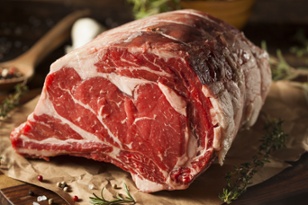
Supply is limited, and packers are seeking for higher pricing; progressively increasing prices will be key. Prices for ribs and tenders have risen across the board, despite the fact that stock remains available. Strips and top buttocks continue to rise, while supplies remain limited. End cuts, insides, and chucks are flat. Grind prices increased due of a limited yield and increasing demand.

Pork

This image has an empty alt attribute; its file name is Prk.jpg

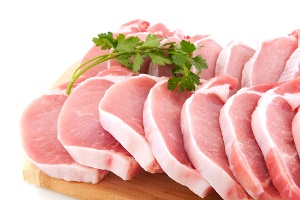
B/I in butts is expected to rise next week, although boneless butts fell slightly. Spareribs are also becoming more popular as the grilling season approaches. Loins are also rising due to increased retail advertising and robust exports. Bellies are rising next week, and the market remains turbulent.

Poultry

This image has an empty alt attribute; its file name is Poultry.jpg

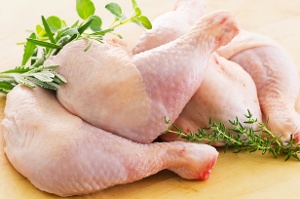
As hatchability of eggs remains an issue, we continue to encounter supply limitations, particularly for wings and tenders. Breast demand has begun to level off. The demand for wings remains robust. Tender demand is extremely high, and it remains the most difficult offering to find. Dark meat demand remained very good. Whole birds are usually steady.

Seafood

This image has an empty alt attribute; its file name is Seafood.jpg

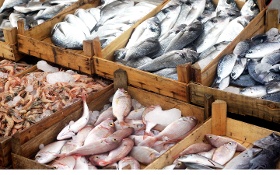
The availability of North Atlantic lobster tails is increasing, and their prices are declining. The markets hold constant from week to week. The seafood industry is preparing for the summer season and updating their menus in anticipation of the major holidays.


Freshly Picked image

Freshly Picked, May 20, 2024

Alerts & What’s Trending

Produce

This image has an empty alt attribute; its file name is produce.jpg

Adverse weather conditions in Florida, Mexico, and California have had a notable effect on different produce, leading to reduced harvests and ultimately causing an increase in market prices. The recent rainfall during March has impacted the supply levels, leading to high market activity. Despite expanding into new acreage that is not fully operational yet, we anticipate ongoing supply shortages in the weeks ahead. Additionally, the Salinas Valley is still facing below-average temperatures. Reaching into these fields will likely cause supply issues towards the end of the season. We will continue to see some increases in mildew and anthracnose, which will continue to hold back yields and weights.

Grains

This image has an empty alt attribute; its file name is Grains.jpg

Soybean oil futures were turbulent last week, but they finished slightly over 1% higher. Pressure from palm oil helped bring the market higher, while potential taxes on used cooking oil could increase demand for soybean oil. Canola oil moved alongside soy. Palm was higher. Supply has increased, but demand has decreased.

Dairy

This image has an empty alt attribute; its file name is Dairy.jpg

Markets for shell eggs are all flat. Block and barrel sales are steadily rising. Butter is still up. The EU market remains stable, with milk production underperforming and cheese absorbing more of the milk. The retail and food service sectors consistently seek butter from domestic producers. But there’s more demand for tons of unsalted butter.

Beef

This image has an empty alt attribute; its file name is Beef.jpg

Packers keep mentioning cutting back on harvest, while buyers “pump the brakes” and try to make sense of the direction of the market. As the week goes on, tenders, strips, and ribs are leveled. Strips and top butts are still the market’s shining stars and are reliable performers. Chucks, insides, and end cuts are all flat. Demand for grinds keeps getting better.

Pork

This image has an empty alt attribute; its file name is Prk.jpg

Next week, B/I in butts will increase, but boneless butts will slightly decline. As grilling season draws near, spareribs are becoming more popular. With the inclusion of retail advertisements and robust exports, loins are also increasing. Next week, bellies will be rising, and the market will continue to be unstable.

Poultry

This image has an empty alt attribute; its file name is Poultry.jpg

Egg hatchability is still a problem for the industry as a whole, and supply shortages, particularly for wings and tenders, persist. There is a great demand for breasts of all sizes and no extra supply. Wings and tenders are still the most difficult to locate offerings. The demand for dark meat is still high. Most whole birds are even.

Seafood

This image has an empty alt attribute; its file name is Seafood.jpg

North Atlantic lobster tail production is increasing, while prices are falling. Markets are stable week after week. The seafood industry is preparing for major vacations in the coming summer, and operators are revising summer menus.


Freshly Picked image

Freshly Picked, May 6, 2024

Alerts & What’s Trending

Produce

This image has an empty alt attribute; its file name is produce.jpg

Unfavorable weather conditions across various growing regions, including Florida, Mexico, and California. These adverse conditions have significantly impacted several commodities, leading to reduced yields and subsequently causing an increase in market prices. All wet veg items will be shipped from the Salinas Valley as supplies are increasing for most commodities and the quality continues to improve. However, romaine and iceberg supplies remain slightly below budget due to cooler temperatures and quality issues such as anthracnose and mildew. Additionally, we are seeing lighter weights and head sizes.

Grains

This image has an empty alt attribute; its file name is Grains.jpg

Soybean oil had a minor increase last week. The harvest in South America is almost over, but there are reports that Argentinean strikes are delaying exports. The US’s wet weather has hindered planting, but it’s not a serious problem. Soybean oil prices are down. Concerns about output are tight for Palm. Soybean oil is leading the way in canola.

Dairy

This image has an empty alt attribute; its file name is Dairy.jpg

The market for shell eggs is collapsing, and demand has decreased. Block and barrel sales are steadily rising. There have only been nine loads appearing on the spot market so far this week, down from 71 three weeks ago. Butter producers continue to accumulate large butter inventory while managing hectic production schedules.

Beef

This image has an empty alt attribute; its file name is Beef.jpg

Demand is not keeping up with supply in the complex. Owing to seasonal demand, the best cuts include brisket, top butts, tenderloins, and short loins. Thin meats, strips, and ribs keep slipping in popularity. Bid pressure is coming from end cuts, insides, and chucks. Because of the holidays and grilling weather, demand for grinds has increased.

Pork

This image has an empty alt attribute; its file name is Prk.jpg

The weak demand for B/I butts last week caused the market to slightly decline. Boneless buttocks are growing more and more popular because of the continuous increasing demand. Ribs are becoming more and more popular as grilling season approaches. Pork is being promoted in retail ads, increasing market share. Bellies are erratic again, but they will settle over the course of the following week.

Poultry

This image has an empty alt attribute; its file name is Poultry.jpg

Cinco de Mayo drove the demand for random breasts. The demand for wings has increased. There is a high demand for tenders, yet they are still the hardest to locate offering. The desire for dark meat is still high. The majority of whole birds are balanced.

Seafood

This image has an empty alt attribute; its file name is Seafood.jpg

Markets remain stable from week to week. The seafood industry is preparing for the summer season and updating their menus in anticipation of the major holidays.

Freshly Picked image

Freshly Picked, April 29, 2024

Alerts & What’s Trending

Produce

This image has an empty alt attribute; its file name is produce.jpg

All wet veg items will be shipping from the Salinas Valley as supplies increase and quality improves. As mentioned previously, due to the abundant rainfall in California, farmers are witnessing a rise in anthracnose, a fungal infection that has resulted in reduced yields of iceberg and romaine lettuce. As a precautionary measure, harvesting teams are trimming the products to alleviate these concerns, resulting in lighter case weights than usual. Overall most commodities are seeing a decline in markets. However, the romaine and iceberg markets remain higher due to quality issues. The avocado inventory in the US is significant, and Cinco pulls are commencing. Due to recent market volatility, strong Cinco promotions are not as guaranteed as during the Super Bowl.

Grains

This image has an empty alt attribute; its file name is Grains.jpg

Due to favorable planting conditions in the US, strong harvest reports from South America, and rising soybean oil supplies, soybean oil futures saw an almost 5% decrease last week. Canola futures in California decreased in tandem with the price of soybean oil, and exports are minimal. Because soy prices are rising, palm is finally losing ground.

Dairy

This image has an empty alt attribute; its file name is Dairy.jpg

The market for shell eggs is collapsing, and demand has decreased. Over the last four weeks, cage-free supply have increased by 22.2%, despite the avian virus causing major production interruptions. Block and barrel sales are steadily rising. Producers of butter report a decline in sales of both salted and unsalted butter.

Beef

This image has an empty alt attribute; its file name is Beef.jpg

As long as buyers use caution and keep their buying windows closed, tenders and ribs will remain tender, with equally applied pressure to both butts and strips. Buyer pressure on bids continues to impact chucks, insides, and end cuts. With the growing harvest, there seems to be less of a drive for lean meats. Grains are still mixed because of a fluctuating supply and a predicted increase in demand.

Pork

This image has an empty alt attribute; its file name is Prk.jpg

Butts are still rising more quickly than expected. As the holiday draws nearer, the demand for butts is only going to rise. Because of the current slow demand, ribs will be flat next week. Strong exports and retail interest are driving up loins as well. Bellies are still in high demand, and the market is still unstable.

Poultry

This image has an empty alt attribute; its file name is Poultry.jpg

This week, breasts leveled out. The demand for wings has increased. There is a high demand for tenders, yet they are still the hardest to locate offering. The desire for dark meat is still high. The majority of whole birds are balanced.

Seafood

This image has an empty alt attribute; its file name is Seafood.jpg

Prices have increased despite food service revenues being steady during the Lenten season due to rising labor, energy, and other operational costs. It will be difficult to maintain sales throughout the year as a result. Shrimp sales are projected to be stimulated by the anticipated summer demand rise following Lent.

Fresh Solutions: The Key to Produce Management

Fresh Solutions: The Key to Produce Management

For multi-unit restaurant operators, maintaining consistency, quality and freshness across all your locations is a constant battle.

At Consolidated Concepts, we understand the unique challenges you face in produce management, and that’s why we offer a suite of Fresh Solutions designed to streamline your operation, elevate your menu offerings, and empower you to focus on what matters most – your customers.

Why Fresh Matters

Fresh, high-quality ingredients are the cornerstone of a thriving restaurant. They elevate your dishes beyond the ordinary, but their impact goes far deeper than just taste. Here’s how fresh produce contributes to your overall success:

Customer Satisfaction:

Diners today are becoming increasingly discerning. They crave food made with fresh, seasonal ingredients. They can taste the difference between a dish crafted with vibrant, flavorful produce and one made with tired, out-of-season options. By prioritizing freshness, you create a culinary experience that keeps customers coming back for more, satisfied and eager to try your next seasonal offering.

Competitive Edge:

In today’s crowded market, fresh ingredients can be a powerful differentiator. Highlighting your commitment to quality produce sets you apart from the competition. Consumers are willing to pay a premium for food they know is made with care and attention to detail. Promoting your dedication to fresh produce positions your brand as one that prioritizes quality and elevates the dining experience.

Enhanced Brand Reputation:

Freshness isn’t just about taste; it’s about perception. When you prioritize fresh ingredients, you cultivate a reputation for quality and excellence. This translates to positive word-of-mouth recommendations, increased brand loyalty, and a stronger position in the market. Customers become advocates for your restaurant, spreading the message of your commitment to fresh, delicious food.

Improved Menu Versatility:

Fresh, seasonal produce opens a world of culinary possibilities. By incorporating seasonal ingredients, you can create dynamic menus that keep your offerings exciting and innovative. This allows you to capitalize on peak flavor and freshness, while also catering to customer preferences for seasonal fare. Fresh Solutions can help you develop these dynamic menus. This keeps your offerings exciting and showcases the best of what each season has to offer.

Produce Management Pain Points

Managing fresh produce across multiple locations can be a complex undertaking. Here are some common challenges multi-unit operators face:

Consistency and Quality Control:

Maintaining consistent quality across multiple locations is a constant battle. Slight variations in produce freshness, ripeness, or even size can significantly impact the taste and presentation of your dishes.

This inconsistency can lead to customer dissatisfaction and damage your brand reputation. Imagine a customer who loves your signature salad at one location, only to be disappointed by a lackluster version at another. With Fresh Solutions, we help ensure every plate leaving your kitchen features ingredients that meet your exact quality standards.

Supply Chain Logistics:

Juggling deliveries from multiple vendors, coordinating schedules across different locations, and ensuring everything arrives on time and in good condition can be a logistical nightmare.

Factor in unexpected delays, weather disruptions, or fluctuating product availability, and the complexity grows exponentially. Fresh Solutions offers a National team of Produce Support Specialists who are responsible for monitoring your locations in each market. Our Produce Support Specialists provide a single point of contact to help your team coordinate deliveries and manage recurring quality issues, saving you valuable time and resources.

Inventory Management:

Striking the perfect balance between over-ordering and under-ordering produce is a constant challenge. Overstocking leads to waste, impacting your bottom line through spoilage and unnecessary expenditure.

Understocking, on the other hand, can result in stockouts and frustrated customers who can’t get their favorite dishes. Fresh Solutions offers weekly and monthly usage reporting that can help you optimize inventory control. This ensures you always have the ingredients you need on hand. Our dedicated account managers will help you analyze your produce usage and spend to make sure you are ordering the correct pack sizes, at the correct frequencies.

Seasonal Variability:

Seasonal changes can wreak havoc on your menu planning and budgeting. The availability of certain fruits and vegetables fluctuates throughout the year, and prices can soar during off-seasons. This can force you to adjust your menu or take a hit on your profit margins.

Consolidated Concepts’ Produce expertise in seasonal menu creation and established relationships with diverse vendors help you navigate these fluctuations by offering creative menu solutions and sourcing options to keep your offerings fresh and your costs under control. Fresh Solutions also provides Industry Updates, Commodity Forecasts and weekly Market Reports to help you stay ahead of the changing market.

Vendor Relationships:

Building strong, reliable relationships with high-quality produce growers is essential for long-term success. These relationships ensure consistent access to fresh ingredients, competitive pricing, and open communication to address any concerns.

Consolidated Concepts’ vast network through Fresh Solutions gives you access to a pre-vetted pool of trusted vendors, saving you time and effort in sourcing reliable partners.

Food Safety:

Ensuring the proper handling and storage of fresh produce is paramount to prevent foodborne illnesses. Improper practices can not only put your customers at risk but also lead to costly closures and brand damage.

Fresh Solutions provides recall alerts, insights, educational resources, and support to help your staff implement proper food safety protocols, giving you peace of mind and protecting your customers.

Fresh Solutions for a Fresh Future

Consolidated Concepts offers a comprehensive suite of Fresh Solutions to address these pain points and elevate your produce management experience. Here’s what we offer:

Fresh Concepts:

Fresh Concepts provides fresh management services for foodservice clients throughout North America focusing on full-service restaurants, emerging brands, casinos, hospitality, & universities.

Produce Alliance:

Produce Alliance empowers foodservice operators with comprehensive fresh produce solutions. We handle procurement, national distribution, information services, and food safety assurance, streamlining your operations and ensuring the highest quality ingredients.

Fresh Solutions – A Recipe for Success

By partnering with Consolidated Concepts and our Fresh Solutions, you can streamline your produce management process, ensure consistent quality, and delight your customers with fresh, delicious dishes.

Contact us today to learn more about how Fresh Solutions can help you take your multi-unit operation to the next level.

Bonus Tip!  For a deeper dive into how Fresh Solutions can revolutionize your produce management, check out this insightful blog from Buyers Edge PlatformThe Buyers Edge Platform Approach to Fresh Solutions

Freshly Picked image

Freshly Picked, April 22, 2024

Alerts & What’s Trending

Produce

This image has an empty alt attribute; its file name is produce.jpg

Adverse weather conditions, drought, and prolonged El Nino/La Nina effects continue to persist, resulting in decreased production and higher market prices for different commodities. The escalated market prices are expected to endure for the upcoming weeks. The transition from Yuma, AZ, to Salinas Valley, CA, is complete, and all wet veg items will be shipped from Salinas Valley. The overall quality has continued to improve.

Grains

This image has an empty alt attribute; its file name is Grains.jpg

Because of favorable planting conditions in the United States, a high harvest in South America, and a decrease in overall demand, soybean oil was less. The weekly average of palm oil increased, but it dropped sharply on Friday due to the soybean oil trend. Canola also had a turbulent week due to a decline in soybean oil.

Dairy

This image has an empty alt attribute; its file name is Dairy.jpg

The markets for shell eggs are all flat, and demand is declining. Except for X-Large and Large, the markets in California and the Northwest are flat. Block and barrel sales are steadily rising. Butter has an issue with Demand for domestic butter varies around the country.

Beef

This image has an empty alt attribute; its file name is Beef.jpg

The amount of market inventory keeps reducing packers’ capacity to hold onto or raise pricing. Tenders and ribs still exhibit discounts. Top butts and strips are being dropped. Packers are discounting, and end cuts, insides, and chucks seem to be following market trends. Thin meats benefited from a reduced harvest, but grinds don’t because of sluggish retail demand.

Pork

This image has an empty alt attribute; its file name is Prk.jpg

Due of growing demand, both boneless butts and B/I will be moving up next week. The market is rising due to the increased demand for ribs. Retail advertisements are generating greater action in loins, which will lead to a robust market. As the weekly demand for fresh bellies rises, belly trends are also increasing. Trimmings have increased in line with the general pork outlook.

Poultry

This image has an empty alt attribute; its file name is Poultry.jpg

As May approaches, when breast season peaks, breasts have begun to stiffen. The market for wings is balanced. There is a high demand for tenders, yet they are still the hardest to locate offering. The desire for dark meat is still high. The majority of whole birds are balanced.

Seafood

This image has an empty alt attribute; its file name is Seafood.jpg

Because landings are much lower now than last year, the North Atlantic lobster business still faces supply issues for lobster meat and tails. The need for live lobsters keeps making it difficult for processors to produce frozen goods.

Freshly Picked image

Freshly Picked, April 15, 2024

Alerts & What’s Trending

Produce

This image has an empty alt attribute; its file name is produce.jpg

Unfavorable weather conditions, drought, and prolonged El Nino/La Nina effects persist, leading to reduced production and increased market prices for various commodities. The elevated market prices are anticipated to persist for the next several weeks. The transition from Yuma to Salinas in California and Arizona is nearly finalized, with Yuma operations wrapping up by the conclusion of the upcoming week. Beginning the week of 4/22, all wet veg products will be shipped from the Salinas Valley, while a small number of shippers will continue to operate from Huron for the subsequent two weeks. Supply and quality are on the rise, resulting in stable to slightly lower prices for lettuce and romaine in the markets. However, we anticipate pricing to remain elevated throughout the transition period.

Grains

This image has an empty alt attribute; its file name is Grains.jpg

Increases in energy, rival vegetable oil kinds, and stocks all contributed to the previous week’s increased soybean oil prices. Considering the ongoing manufacturing problems, palm was higher. Canola increased in value when farmer seed sales decreased.

Dairy

This image has an empty alt attribute; its file name is Dairy.jpg

The markets for shell eggs are all flat, and demand is declining. The Northwest and California markets are struggling. Although avian influenza has been detected in US dairy cows, it is not yet severe enough to cause production losses. Demand for contracted cheese is stable, whereas demand for spot cheese is stable to increasing. There is a mixed demand for butter domestically.

Beef

This image has an empty alt attribute; its file name is Beef.jpg

The market is still not rising. Tenders and ribs still exhibit discounts. Top butts and strips are hanging in there. Chucks, end cuts, and insides seem to be simple to locate, and packers are driven vendors. Thin meats have benefited from the lower yield; grinds are still appearing and indicate some market pressure.

Pork

This image has an empty alt attribute; its file name is Prk.jpg

Due of growing demand, both boneless butts and B/I will be moving up next week. The market is rising due to the increased demand for ribs. Retail advertisements are generating greater action in loins, which will lead to a robust market. As the weekly demand for fresh bellies rises, belly trends are also increasing. Trimmings have increased in line with the general pork outlook.

Poultry

This image has an empty alt attribute; its file name is Poultry.jpg

The market for breasts has begun to decline, and more are becoming accessible. The market for wings is balanced. There is a high demand for tenders, yet they are still the hardest to locate offering. The desire for dark meat is still high. The majority of whole birds are balanced.

Seafood

This image has an empty alt attribute; its file name is Seafood.jpg

The Pacific Halibut season has begun, and while whole fish prices are now higher, it is anticipated that they will decrease over the next few weeks. The supply of lobster in the North Atlantic is still decreasing, and prices are rising. Due to increased supply, warm water lobster prices have remained stable and have not grown as anticipated.

Freshly Picked image

Freshly Picked, April 8, 2024

Alerts & What’s Trending

Produce

This image has an empty alt attribute; its file name is produce.jpg

As a result of adverse weather conditions, the transition of seasonal commodities, and the recent Easter holiday observance, there has been a decrease in production across different commodities. Consequently, there has been an increase in the overall market prices of specific commodities. The transition from Yuma to Huron/Salinas for carton commodities is ongoing in California and Arizona. Processed items are scheduled to begin in Salinas either on the 15th or the 21st, depending on the shipper.

Grains

This image has an empty alt attribute; its file name is Grains.jpg

In its planting intentions report, the USDA declared a decrease in corn acres and an increase in bean acres. The market rebounded for both beans and corn. Trade in soybean oil was erratic, but overall the week witnessed little change in canola. Palm is still on the rise.

Dairy

This image has an empty alt attribute; its file name is Dairy.jpg

The markets for shell eggs are all flat, and demand is declining. Northwest and California markets remain stagnant. A farm in Texas and Michigan has tested positive for HPAI, and the initial estimate of loss is 1.9 million birds, including pullets. Based on the need for exports, the Block & Barrel is getting smaller. Butter continues to rise in demand. It’s desirable to have unsalted butter.

Beef

This image has an empty alt attribute; its file name is Beef.jpg

The market has slowed as April approaches, and packers are still attempting to hold back harvest. Overall, ribs stay constant, but top butts and strips get progressively higher. It seems that end cuts are at their limit. Though the current price support for grinds is beginning to show cracks, the limited harvest still supports thin meats.

Pork

This image has an empty alt attribute; its file name is Prk.jpg

B/I Butts are rising. Since there has been some downturn in the boneless industry, boneless butt sales are declining. The market for ribs is predicted to continue rising since supply is anticipated to become more limited throughout the warmer months. As retail demand for loins rises, loin prices are also rising. Bellies are still getting smaller.

Poultry

This image has an empty alt attribute; its file name is Poultry.jpg

Demand for breasts has begun to decline, and prices may have reached a plateau. It’s still difficult to find wings in the market. There is a high demand for tenders, yet they are still the hardest to locate offering. The desire for dark meat is still high. The majority of whole birds are balanced.

Seafood

This image has an empty alt attribute; its file name is Seafood.jpg

The Pacific Halibut season has begun, and while whole fish prices are now higher, it is anticipated that they will decrease over the next few weeks. The supply of lobster in the North Atlantic is still decreasing, and prices are rising. Due to increased supply, warm water lobster prices have remained stable and have not grown as anticipated.

Freshly Picked image

Freshly Picked, April 1, 2024

Alerts & What’s Trending

Produce

This image has an empty alt attribute; its file name is produce.jpg

We continue to experience shortfalls on several winter veg items out of Mexico and Florida due to the impacts of El Niño with the shortest item being color pepper. Pro-rates and further price escalations may happen on these items this week as supply gets critically low. The hot pepper market is shorter this week with low volume and moderate demand continuing to put upward pressure on pricing. We will see a dip in production on the entire tomato category as transition from winter to spring crops get underway. Improvement on supply not expected for 2-3 weeks and concerns over the water restrictions are making shortages a possibility. Overall, the current supply remains at record lows until we see some consistency in weather, this will only continue to hamper a recovery.

Grains

This image has an empty alt attribute; its file name is Grains.jpg

Last week, soybean oil saw another increase as fund traders resumed purchasing contracts rather than disposing of them. This week’s plating intentions report is expected, and some acres are predicted to shift from corn to soybeans. In Europe, palm stabilized with a short-term balance, while canola rose upward with fewer planted acres.

Dairy

This image has an empty alt attribute; its file name is Dairy.jpg

Despite a decrease in the total amount of shell eggs in stock, all shell egg markets are rising. The markets in California and the Northwest are stagnant, but with Easter, they might rise. Based on export, the Block decreases and the Barrel is increases. Although butter doesn’t rise, it can due to variations in milk production and the demand for cream.

Beef

This image has an empty alt attribute; its file name is Beef.jpg

The supply and demand are still matching. While strips and tenders continue to rise because to increased demand and limited supply, ribs remain stable. Chuck should make corrections in the following weeks, but it looks like end cuts have reached a ceiling as insides. In the short run, thin meats and grinds are experiencing the most artificial assistance due to restricted harvest.

Pork

This image has an empty alt attribute; its file name is Prk.jpg

The butts of B/I are rising. Since there has been some downturn in the boneless industry, boneless butt sales are declining. The market for ribs is predicted to continue rising since supply is anticipated to become more limited throughout the warmer months. As retail demand for loins rises, loin prices are also rising. Bellies continue to go down.

Poultry

This image has an empty alt attribute; its file name is Poultry.jpg

Bird mortality, hatchability, and weights are limiting product availability and driving up costs. There is a high demand and limited supply for breasts. It’s still difficult to find wings in the market. There is a high demand for tenders and no excess supply. The desire for dark meat is still high. Whole birds, still mostly balanced.

Seafood

This image has an empty alt attribute; its file name is Seafood.jpg

The Pacific Halibut season has begun, and while whole fish prices are now higher, it is anticipated that they will decrease over the next few weeks. The supply of lobster in the North Atlantic is still decreasing, and prices are rising. Due to increased supply, warm water lobster prices have remained stable and have not grown as anticipated.

Freshly Picked image

Freshly Picked, March 25, 2024

Alerts & What’s Trending

Produce

This image has an empty alt attribute; its file name is produce.jpg

Continued adverse weather conditions across various growing regions have caused a considerable drop in overall yields and an uptick in quality problems and bloom loss. Thankfully, several regions are expected to experience better weather in the upcoming weeks, which will likely improve the situation in multiple markets. We are less than a month away from the beginning of the leafy green transition, heading back to the Salinas Valley. Historically, we have seen higher markets and increased quality issues during this time. The weather has taken its toll on most commodities in Yuma, and the market has risen considerably.

Grains

This image has an empty alt attribute; its file name is Grains.jpg

A notable rise in soybean oil prices last week. A significant increase in palm oil and some fund buying contracts contributed to the rise in soybean oil. The largest market input is the greater move from palm due to lower production and dropping stocks, even if soybean oil and canola supplies are both good.

Dairy

This image has an empty alt attribute; its file name is Dairy.jpg

Markets for shell eggs are rising everywhere, even in the Northwest and California. Block and barrel sales are declining. Butter is still up.

Beef

This image has an empty alt attribute; its file name is Beef.jpg

The state of market demand is still quite poor. Packers continue to provide higher upfront quotes despite abundant supply. While strips are still rising due to seasonal demand and limited supply, ribs and tenders are staying rather stable. End cuts are still going strong, but inside rounds are getting closer to the ceiling. The supply of thin meats and grinds is experiencing some artificial support due to poor harvest.

Pork

This image has an empty alt attribute; its file name is Prk.jpg

The demand for butts is still high, thus they are still moving upward. Demand for ribs has also soared. Following a period of low market activity, loins are currently rising and are predicted to follow the trend of butts. Next week, bellies will rise along with all the other primals, but this market will continue to be unstable every week.

Poultry

This image has an empty alt attribute; its file name is Poultry.jpg

Bird mortality, hatchability, and weights are limiting product availability and driving up costs. The availability of breasts is limited and demand is strong. It’s still difficult to find wings in the market. There are very few tenders available in the market. The desire for dark meat is still high. The majority of whole birds are balanced.

Seafood

This image has an empty alt attribute; its file name is Seafood.jpg

Seafood: The Pacific Halibut season has begun, and while whole fish prices are now higher, it is anticipated that they will decrease over the next few weeks. The supply of lobster in the North Atlantic is still decreasing, and prices are rising. Due to increased supply, warm water lobster prices have remained stable and have not grown as anticipated.