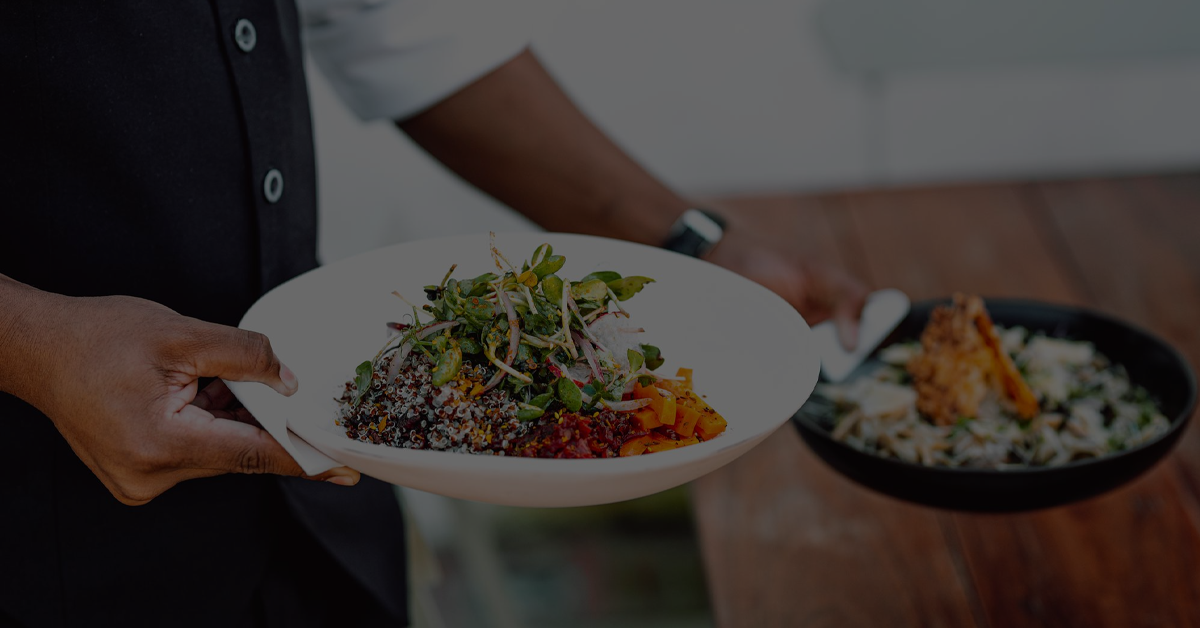
Menu development isn’t just about adding new dishes. It’s about creating smart, profitable offerings that resonate with your guests and strengthen your brand.
A globally inspired sauce, a plant-based option, or a fresh take on comfort food can give guests a reason to try something new. But before a dish earns a permanent place on your menu, it needs to make sense for your kitchen, your supply chain, and your bottom line.
For multi-unit restaurant operators, that means thinking beyond how an item performs at one location. Ingredients need to be available, preparation needs to be repeatable, and pricing needs to support profitability across your operation.
With a thoughtful restaurant menu development strategy, you can bring new ideas to the table while keeping costs and execution in focus.
Why Profitable Menu Innovation is critical for Multi-Unit Restaurants

For multi-unit restaurant operators, the challenge is how to evolve your menu profitably.
Several factors can complicate the process:
- Ingredient costs: Price changes can narrow margins after a recipe has been developed.
- Labor requirements: Additional prep steps can stretch kitchen capacity during busy shifts.
- Supply availability: Specialty ingredients may be difficult to source consistently across markets.
- Brand consistency: Guests expect the same quality and experience at every location.
So how do you create exciting new menu items and protect your margins?
That’s where Consolidated Concepts comes in.
Through purchasing insights, supplier relationships, and technology solutions, we help operators strengthen the procurement decisions behind menu innovation. Our supply chain management support helps your team evaluate sourcing needs as you turn menu ideas into offerings that can work across your restaurant group.
Menu Development That Makes Business Sense
A successful menu item needs both guest appeal and a workable operating model. Starting with customer demand, recipe economics, and ingredient usage gives your team a stronger foundation for development.
Understand What Your Guests Really Want
Trends can inspire new dishes, but your own guests should help guide the decision.
Review point-of-sale data, guest feedback, and input from restaurant teams to understand which flavors, formats, and price points already resonate. Look for opportunities to build on those preferences, whether through plant-based alternatives, global flavors, or twists on classic favorites.
Before introducing a new item, consider:
- Which existing dishes consistently sell well?
- What modifications or additions do guests request?
- Is there a gap in your menu that fits your concept?
- Would the new item attract additional purchases or mainly replace another sale?
A limited-time offer can help you test an idea before committing to a broader rollout. Track sales alongside preparation time, waste, and feedback to understand whether the dish deserves a permanent spot.
Engineer Menus for Profitability
New menu items shouldn’t come at the expense of your margins. Menu engineering helps you evaluate dishes based on both popularity and their contribution toward covering operating expenses and profit.
Start with a standardized recipe that includes every ingredient, portion size, garnish, and accompaniment. Account for usable yield, since trimming and cooking losses can change the true cost per serving.
Then evaluate both food cost percentage and contribution dollars. For a basic food-cost comparison, contribution dollars equal the menu price minus the portion’s ingredient cost. That amount still needs to cover labor and other operating expenses.
For example, a $20 entrée with $7 in ingredients contributes $13 before those other expenses. A $16 entrée with $5 in ingredients contributes $11. The second dish has a lower food cost percentage, but the first contributes more dollars per sale.
Preparation demands and sales volume also matter. An item that looks profitable on paper may need another look if it slows the line or generates substantial waste.
Streamline Ingredient Usage Across the Menu
An exciting menu doesn’t require a separate inventory of ingredients for every dish.
Cross-utilizing ingredients can help you introduce variety while limiting purchasing complexity. A roasted vegetable blend might work in a grain bowl, a side dish, and a seasonal entrée. An existing protein could support a new sandwich with a different sauce and presentation.
Before adding a specialty ingredient, ask how quickly each location will use it and whether it has another purpose on the menu. This is especially important for perishable products with large minimum order quantities.
The goal is to give guests something fresh while keeping storage, prep, and waste manageable.
Technology That Simplifies Menu Development
Reliable cost information helps your team make better decisions before and after a menu launch. Connecting recipe reviews with purchasing and inventory data makes it easier to see when an item’s economics begin to change.
Recipe Costing That Reflects Current Ingredient Prices
A recipe cost calculated at launch can become outdated as ingredient prices change.
Recipe costing tools can help teams update dish costs using current ingredient information. Their accuracy depends on maintaining purchase prices, pack conversions, yields, and portion sizes.
Consolidated Concepts’ purchasing analytics and technology solutions provide visibility into spending, pricing, and purchasing consistency. Those insights can inform recipe cost reviews and help your team investigate increases.
With clearer information, operators can evaluate whether to adjust sourcing, revise a recipe, or reconsider pricing while protecting the dish’s quality and appeal.
Inventory and Ordering Optimization
Managing inventory across multiple locations can drain resources, especially when new menu items introduce additional products.
Use inventory counts, sales patterns, and purchasing information together to guide orders. Establish initial stock levels for a launch, then adjust based on actual demand at each location.
A few consistent practices can help:
- Add approved ingredients and pack sizes to location order guides.
- Set ordering levels that reflect shelf life and expected sales.
- Track waste during the test period.
- Review substitutions that could affect recipe cost or quality.
These steps help prevent a promising menu idea from creating unnecessary inventory or inconsistent execution.
Operational Support That Drives Growth
A dish that succeeds in a test kitchen still needs to work during a busy service. Supplier planning and a measured rollout help close the gap between a strong concept and a successful menu addition.
Stronger Supplier Partnerships
Expanding your menu shouldn’t mean losing control of purchasing costs. Consolidated Concepts helps operators evaluate sourcing opportunities and supplier agreements that support their quality, pricing, and distribution needs.
When considering a new ingredient, look beyond the quoted case price. Compare usable yield, pack size, minimum orders, shelf life, and availability across your locations.
Confirm that suppliers can support anticipated volume before launching broadly. Establishing approved alternatives can also help teams respond to availability issues without making rushed substitutions that change the guest experience.
Tailored Solutions, Scalable Success
Every restaurant concept is different. Your menu development strategy should reflect your brand, kitchen capabilities, and growth goals.
Before expanding a new item across your portfolio, test it in locations that represent different sales volumes and operating conditions. Give teams clear recipes, portioning instructions, and preparation guidance.
Evaluate the results together:
- Guest response: Are customers ordering the item and responding positively?
- Financial performance: Does it deliver the expected contribution after accounting for actual ingredient usage?
- Kitchen execution: Can teams prepare it consistently without disrupting service?
- Supply reliability: Can each market access the approved ingredients?
- Waste: Are locations using the products before quality declines?
With those answers, your team can refine the dish and its purchasing plan before committing to a larger rollout.
Let’s Bring Your Menu Ideas to Life Profitably
When done right, menu innovation fuels customer excitement and business growth. The strongest ideas balance what guests want with what your kitchens and supply chain can deliver consistently.
Consolidated Concepts supports that balance through purchasing insights, sourcing expertise, and supplier solutions that help multi-unit operators make informed decisions.
Whether you’re refreshing a few favorites or planning a broader menu launch, a stronger purchasing strategy can help turn fresh ideas into sustainable additions to your business.
Ready to innovate smarter? Fill out the form below or contact Consolidated Concepts can support your menu goals through smarter purchasing and supply chain management.
Frequently Asked Questions
What is restaurant menu development?
Restaurant menu development is the process of creating, testing, costing, and refining food and beverage offerings. It considers guest preferences, brand identity, ingredient availability, kitchen execution, and profitability.
How can restaurants introduce new menu items without sacrificing margins?
Start with accurate recipe costs, reuse existing ingredients where appropriate, and test items before a full rollout. Monitor sales, preparation time, waste, and purchasing costs to determine whether each addition meets your financial goals.
What is the difference between menu development and menu engineering?
Menu development focuses on creating and executing menu offerings. Menu engineering evaluates item popularity and financial contribution to guide decisions about pricing, placement, promotion, and revisions.
How does ingredient cross-utilization improve menu profitability?
Using an ingredient across several dishes can help restaurants use inventory more efficiently and reduce the number of unique products they manage. Savings depend on ordering appropriately, controlling portions, and using products before they spoil.
How often should multi-unit restaurants review menu costs?
Review costs regularly and whenever significant ingredient price changes, recipe adjustments, or supplier substitutions occur. New menu items also need close monitoring during their initial rollout to compare expected costs with actual performance.