Freshly Picked image

Freshly Picked, January 8, 2024

Alerts & What’s Trending

Produce

This image has an empty alt attribute; its file name is produce.jpg

Adverse weather conditions in several growing regions continue to play a pivotal role in lower supplies across several commodities, which have caused markets to remain higher and will likely remain through the end of January. In Yuma, temperatures have dropped this week, with much lower daytime and nighttime temps. With these lower temperatures, expect to see some frost in all desert-growing areas. Supplies have remained steady with some quality issues.

Grains
This image has an empty alt attribute; its file name is Grains.jpg

As crude oil moved flat to higher and bean oil moved lower, soybean oil separated from energy. The weather in South America has improved for the soybean crop, the US dollar is stronger, and stocks are up. Higher prices are possible since there are insufficient supplies of soybean oil. Canola markets are steady, whereas palm markets are erratic.

Dairy

This image has an empty alt attribute; its file name is Dairy.jpg

The Northwest’s shell egg markets are up this week, while all other markets are down. Block markets are shrinking and barrels are rising. It’s butter time. Prices for January Cream and Culture will be lower as a result of such market modifications.

Beef
This image has an empty alt attribute; its file name is Beef.jpg

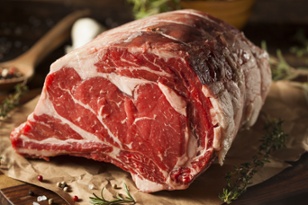
Softer tones are beginning to appear in middle meat prices. Ribs and tenderloins are essential commodities to keep selling out, although strips will still be in demand in early 2024 because of their favorable price spread. Rounds and Chucks seem to be exchanging consistently. Because of their limited harvest, grinds are in limited availability.

Pork
This image has an empty alt attribute; its file name is Prk.jpg

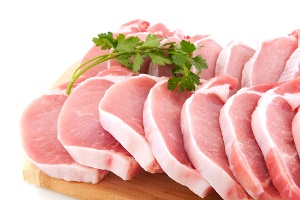
Next week, butts moved up once more. This market should continue to be robust due to decreased harvest numbers and strong demand. The price trend for ribs is firmer than anticipated; this is also a result of lower harvest levels. Due to strong retail and export demand, the loin market is still performing better than anticipated. Bellies are still erratic and have increased this week.

Poultry
This image has an empty alt attribute; its file name is Poultry.jpg

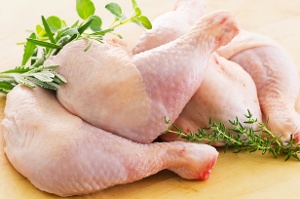
Because of the limited production period after the holidays, overall supply is tighter. The supply of breasts has decreased. There are fewer and fewer tenders available. The demand for wings has increased, making them more difficult to locate. The market for dark meat is still strong. The demand for whole birds is rising.

Seafood
This image has an empty alt attribute; its file name is Seafood.jpg

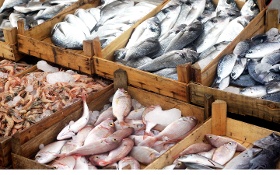
On December 22, 2023, a new executive order pertaining to restrictions on the provenance of seafood raw materials was made public. To guarantee appropriate supply continuity for all impacted commodities, we are proactively collaborating with all suppliers. In the Great Lakes, whitefish season is well underway with some excellent catches thus far.

Freshly Picked image

Freshly Picked, January 1, 2024

Alerts & What’s Trending

Produce

This image has an empty alt attribute; its file name is produce.jpg

The southeastern U.S. and Mexico’s growing regions have been experiencing adverse weather conditions, leading to lower yields. Additionally, the heightened national demand during the holiday season is further contributing to the upward pressure on prices, which is expected to persist for the next 3-4 weeks. In Yuma, rain is in the forecast with an estimated rainfall amount of 1-3 inches last week. The amount of rain is not enough to damage the crops seriously but is enough to slow down harvesting, as excessive mud will make it hard for trucks and tractors to get through fields.

Grains

This image has an empty alt attribute; its file name is Grains.jpg

Biofuels and less demand caused last week’s movement in the energy markets downward. This contributed to the decline in the price of soybean oil. A portion of the drop in demand for biofuels was caused by increased use of Canola oil. With ample supply and decreased Chinese demand, palm oil prices remained stable.

Dairy

This image has an empty alt attribute; its file name is Dairy.jpg

This week, shell egg markets are closed. Barrels are expanding slightly, while block markets are contracting. Time for butter. There will be some fluctuations in the cost of Cream and Culture in December.

Beef

This image has an empty alt attribute; its file name is Beef.jpg

Buyers’ attention is still focused on tenderloins and ribs due to the holiday. The price of middle-aged meat has been supported by demand. Shortloins and strips are nevertheless valuable, and increased trades have been supported by interest. Chucks and rounds keep getting softer as boxes begin to form and purchasers’ attention wanes. At best, grinds are constant and choppy since packers have different supplies.

Pork

This image has an empty alt attribute; its file name is Prk.jpg

Butts are seeing a little decline in the market after an unexpected increase last week. Given the relative flatness of boneless loins, sideways trading is to be anticipated in the upcoming weeks. Ribs are also exchanging sideways. Their bellies are shrinking quickly because they are still searching for the floor. Trimmings are likewise trading sideways, and demand is stable.

Poultry

This image has an empty alt attribute; its file name is Poultry.jpg

During the height of the chicken industry’s growth season, larger birds with greater yields are the outcome. The breasts are beginning to contract. There is availability on tenders. Demand for wings of all sizes has somewhat decreased. The market for dark meat is still strong. The demand for whole birds is rising.

Seafood

This image has an empty alt attribute; its file name is Seafood.jpg

The Texas Department of Parks & Wildlife has closed the Texas Gulf oyster beds, which will impact availability. Alaska Red King crab is available, albeit at a premium price. According to reports, Peru reopened its second anchovy season three days ago, although there is still a shortage. The market for shrimp imports is still struggling.

Freshly Picked image

Freshly Picked, December 25, 2023

Alerts & What’s Trending

Produce

This image has an empty alt attribute; its file name is produce.jpg

The southeastern U.S. and Mexico’s growing regions have been experiencing adverse weather conditions, leading to lower yields. Additionally, the heightened national demand during the holiday season is further contributing to the upward pressure on prices, which is expected to persist for the next 3-4 weeks. In Yuma, rain is in the forecast with an estimated rainfall amount of 1-3 inches last week. The amount of rain is not enough to damage the crops seriously but is enough to slow down harvesting, as excessive mud will make it hard for trucks and tractors to get through fields.

Grains

This image has an empty alt attribute; its file name is Grains.jpg

Biofuels and less demand caused last week’s movement in the energy markets downward. This contributed to the decline in the price of soybean oil. A portion of the drop in demand for biofuels was caused by increased use of Canola oil. With ample supply and decreased Chinese demand, palm oil prices remained stable.

Dairy

This image has an empty alt attribute; its file name is Dairy.jpg

This week, shell egg markets are closed. Barrels are expanding slightly, while block markets are contracting. Time for butter. There will be some fluctuations in the cost of Cream and Culture in December.

Beef

This image has an empty alt attribute; its file name is Beef.jpg

Buyers’ attention is still focused on tenderloins and ribs due to the holiday. The price of middle-aged meat has been supported by demand. Shortloins and strips are nevertheless valuable, and increased trades have been supported by interest. Chucks and rounds keep getting softer as boxes begin to form and purchasers’ attention wanes. At best, grinds are constant and choppy since packers have different supplies.

Pork

This image has an empty alt attribute; its file name is Prk.jpg

Butts are seeing a little decline in the market after an unexpected increase last week. Given the relative flatness of boneless loins, sideways trading is to be anticipated in the upcoming weeks. Ribs are also exchanging sideways. Their bellies are shrinking quickly because they are still searching for the floor. Trimmings are likewise trading sideways, and demand is stable.

Poultry

This image has an empty alt attribute; its file name is Poultry.jpg

During the height of the chicken industry’s growth season, larger birds with greater yields are the outcome. The breasts are beginning to contract. There is availability on tenders. Demand for wings of all sizes has somewhat decreased. The market for dark meat is still strong. The demand for whole birds is rising.

Seafood

This image has an empty alt attribute; its file name is Seafood.jpg

The Texas Department of Parks & Wildlife has closed the Texas Gulf oyster beds, which will impact availability. Alaska Red King crab is available, albeit at a premium price. According to reports, Peru reopened its second anchovy season three days ago, although there is still a shortage. The market for shrimp imports is still struggling.

Freshly Picked image

Freshly Picked, December 18, 2023

Alerts & What’s Trending

Produce

This image has an empty alt attribute; its file name is produce.jpg

Colder temperatures out of the Southeast and Mexico growing regions and increased holiday demand have caused many markets to increase considerably, and higher prices are expected for the next several weeks. Volumes remain relatively steady out of the Yuma growing region. Growers have seen ice delays on lettuce over the past few days. The ice will likely cause blister and epidermal peeling. Growers mitigate this on the harvesting level to minimize the blister and peel. We could see decreased weights and yields in the coming weeks.

Grains

This image has an empty alt attribute; its file name is Grains.jpg

According to USDA data, the soybean oil market was down about 3% from the previous month. The need for biofuels has also decreased. Canola is steadily declining but is anticipated to rise. Due to rival vegetable oils, a decline in Chinese demand, and strong output, palm dropped down.

Dairy

This image has an empty alt attribute; its file name is Dairy.jpg

This week’s markets for shell eggs are up. Markets for barrels and blocks are expanding. It’s butter time. The prices for Cream and Culture in December will fluctuate somewhat.

Beef

This image has an empty alt attribute; its file name is Beef.jpg

Overall, it seems that the market has settled into a stable tone. The near-term demand for middle-of-the-road beef prices is expected to persist throughout the year. Strips still have good tones and are reasonably priced. Chucks and rounds keep getting softer as the boxes begin to fill. The best way to characterize the grinds is choppy, and the supplies differ from packer to packer.

Pork

This image has an empty alt attribute; its file name is Prk.jpg

Next week, butts moved up once more. This market should continue to be robust due to decreased harvest numbers and strong demand. The pricing trend for ribs is firmer than anticipated. Through the end of the year, loins should continue to decline. Bellies are still erratic and are making yet another significant compromise. Anticipate further volatility in this market.

Poultry

This image has an empty alt attribute; its file name is Poultry.jpg

There are still breasts available. Most tenders are accessible. Demand for wings of all sizes has somewhat decreased. The market for dark meat is still strong. The demand for whole birds is rising.

Seafood

This image has an empty alt attribute; its file name is Seafood.jpg

The Texas Department of Parks & Wildlife has closed the Texas Gulf oyster beds, which will impact availability. Alaska Red King crab is available, albeit at a premium price. According to reports, Peru reopened its second anchovy season three days ago, although there is still a shortage. The market for shrimp imports is still struggling.

Freshly Picked image

Freshly Picked, December 4, 2023

Alerts & What’s Trending

Produce

This image has an empty alt attribute; its file name is produce.jpg

The more favorable growing conditions combined with the lower demand after the holiday season helped most markets see a decline. However, demand is expected to pick up in the next two weeks and remain strong through the end of the year, which historically brings a slight uptick in markets. There have been minimal growing or harvesting disruptions in the Yuma, AZ, growing region. Supplies remain steady for most commodities. However, Broccolini supplies remain extremely limited and are expected to remain limited for the next 1-2 weeks. Demand has remained steady for all commodities.

Grains

This image has an empty alt attribute; its file name is Grains.jpg

Soybean oil prices declined last week as a result of an EPA court decision and a shortened trading period. Lower markets were helped by good rainfall in Brazil and a nearly full crop harvest in the United States. Although there was no movement in the canola oil market, canola seed futures saw a decrease. Concerns about El Nino and rising demand drove up palm prices.

Dairy

This image has an empty alt attribute; its file name is Dairy.jpg

Markets for shell eggs are closed this week. The market for barrel and block is shrinking. It’s butter time. The price of Cream and Culture on the West Coast will go up in December.

Beef

This image has an empty alt attribute; its file name is Beef.jpg

Now that Thanksgiving week is passed, consumers are entirely fixated on ribs and tenderloins. Up to the end of the year, consumers ought to support middle-cut meats. Short loins and strips are still valuable, which has supported increased transactions. Rounds and chucks keep getting softer. The best way to characterize grinds is as choppy, and at most steady, depending on the packer.

Pork

This image has an empty alt attribute; its file name is Prk.jpg

In the marketplace, there is some support for pork butts. There has been considerable strength in this sector due to an increase in demand for upfront purchases. There are still decreases in every other market. Because of the poor retail demand, ribs and boneless loins are declining in popularity. Bellies are predicted to keep getting smaller as they look for the floor.

Poultry

This image has an empty alt attribute; its file name is Poultry.jpg

During the height of the chicken industry’s growth season, larger birds with greater yields are the outcome. The breasts are beginning to contract. Tenders are available. Demand for wings of all sizes has somewhat decreased. The market for dark meat is still strong. The majority of whole birds are steady.

Seafood

This image has an empty alt attribute; its file name is Seafood.jpg

Prices for Alaska Red King are steep, and supplies are scarce. According to reports, Peru only reopened its second anchovy season three days ago, yet there is still a shortage. Although the market for imported shrimp is currently at all-time lows, prices should soon start to rise again. With the holidays approaching, shellfish products should be used more frequently.

Freshly Picked image

Freshly Picked, November 27, 2023

Alerts & What’s Trending

Produce

This image has an empty alt attribute; its file name is produce.jpg

Increased demand, growing region transitions, and weather effects continue to negatively impact supplies on many commodities and are expected to remain elevated over the next several weeks. The full transition to Yuma has been fairly smooth this year. There hasn’t been any disruption in the supply chain for most commodities. Broccolini supplies will be very limited for the next two weeks as growers expect a gap in supply due to lower-than-expected production as they finish the Salinas growing region and lower yields out of Mexico caused by weather issues.

Grains

This image has an empty alt attribute; its file name is Grains.jpg

Although the week’s average for futures was little down overall, it ended the week strongly. The market’s trajectory was not significantly impacted by the USDA WASDE report. The ongoing dry spell is slowing down agricultural growth in South America. Canola seed saw an increase after dropping to six-week lows. With worries about El Nino, palm is higher.

Dairy

This image has an empty alt attribute; its file name is Dairy.jpg

This week’s markets for shell eggs are up. Block and barrel sales are declining. It’s butter time. The prices for November’s Cream and Culture will be higher.

Beef

This image has an empty alt attribute; its file name is Beef.jpg

Following two weeks of substantial harvests and a decrease in the overall cutout, packers have reduced their output. Chuck rolls and the grind complex are the main causes of the recent decline in the beef market. Beef interest is lukewarm this season. The upper 2/3 or CAB product is still in a well-sold position.

Pork

This image has an empty alt attribute; its file name is Prk.jpg

Even while there is some counter seasonal movement with butts, the demand for pork is still declining. Last week, we saw an upsurge in boneless butts and B/I along with some rekindled enthusiasm. Although currently trading sideways, ribs should start to move lower. Due of low demand, loins are declining. Bellies are also continuing to go downward.

Poultry

This image has an empty alt attribute; its file name is Poultry.jpg

During the height of the chicken industry’s growth season, larger birds with greater yields are the outcome. The breasts are beginning to contract. There are open tenders. Demand for wings of all sizes has somewhat decreased. Demand for dark meat is still strong. Most birds as a whole are steady.

Seafood

This image has an empty alt attribute; its file name is Seafood.jpg

According to reports, Peru reopened its second anchovy season three days ago, although there is still a shortage. Although the market for imported shrimp is currently at all-time lows, prices should soon start to rise again. The market for tilapia is plateauing following issues with inventory. As the holidays approach, clam products should see an increase in use.

Freshly Picked image

Freshly Picked, November 20, 2023

Alerts & What’s Trending

Produce

This image has an empty alt attribute; its file name is produce.jpg

Increased demand, growing region transitions, and weather effects continue to negatively impact supplies on many commodities and are expected to remain elevated over the next several weeks. The Yuma transition is complete, but a few items are shipping from Salinas, and all value-added shippers have transitioned. Quality is expected to improve out of the desert region, but growers still see issues such as lighter weights, seeders, twist, and increased insect pressure.

Grains

This image has an empty alt attribute; its file name is Grains.jpg

: Last week, soybean oil prices declined further as dealers kept liquidating their holdings and purchasing soybean meal. Good demand is being experienced, and energies are beginning to rise. There is a strong market for biofuels, so expect some increased trading. The demand for canola seed is low for exports. Palm is flat to up with good availability and low demand.

Dairy

This image has an empty alt attribute; its file name is Dairy.jpg

This week’s markets for shell eggs are up. Block and barrel sales are declining. It’s butter time. The prices for November’s Cream and Culture will be higher.

Beef

This image has an empty alt attribute; its file name is Beef.jpg

Following two weeks of substantial harvests and a decrease in the overall cutout, packers have reduced their output. Chuck rolls and the grind complex are the main causes of this week’s decline in the beef market. Beef interest is lukewarm this season as we approach the turkey-heavy Thanksgiving holiday. Throughout the animal, the upper 2/3 or CAB product is still in a well-sold position.

Pork

This image has an empty alt attribute; its file name is Prk.jpg

Even while there is some counter seasonal movement with butts, the demand for pork is still declining. Next week saw an upsurge in boneless butts and B/I along with some rekindled enthusiasm. Although currently trading sideways, ribs should start to move lower. Due of low demand, loins are declining. Bellies are also continuing to go downward.

Poultry

This image has an empty alt attribute; its file name is Poultry.jpg

During the height of the chicken industry’s growth season, larger birds with greater yields are the outcome. The breasts are beginning to contract. There are open tenders. Demand for wings of all sizes has somewhat decreased. Demand for dark meat is still strong. Most birds as a whole are steady.

Seafood

This image has an empty alt attribute; its file name is Seafood.jpg

According to reports, Peru reopened its second anchovy season three days ago, although there is still a shortage. Although the market for imported shrimp is currently at all-time lows, prices should soon start to rise again. The market for tilapia is plateauing following issues with inventory. As the holidays approach, clam products should see an increase in use.

Freshly Picked image

Freshly Picked, November 13, 2023

Alerts & What’s Trending

Produce

This image has an empty alt attribute; its file name is produce.jpg

Due to weather effects, growing region transitions, and increased demand, markets have continued to strengthen and are expected to remain elevated over the next several weeks. Western veg (broccoli, cauliflower, and lettuce) markets saw an increase as supplies are lighter due to the tired crops and the transition. Huron has one more week to go; the quality is still very good. In Yuma, growers are seeing smaller and lighter weights with overall lighter volumes from both areas. The market is expected to remain active, and the forecast is to continue to strengthen into the holiday demand.

Grains

This image has an empty alt attribute; its file name is Grains.jpg

: Last week, soybean oil prices declined further as dealers kept liquidating their holdings and purchasing soybean meal. Good demand is being experienced, and energies are beginning to rise. There is a strong market for biofuels, so expect some increased trading. The demand for canola seed is low for exports. Palm is flat to up with good availability and low demand.

Dairy

This image has an empty alt attribute; its file name is Dairy.jpg

This week’s markets for shell eggs are up. Markets for barrels and blocks are shrinking. Butter is still down. The prices for November’s Cream and Culture will be higher.

Beef

This image has an empty alt attribute; its file name is Beef.jpg

Packers have unsold positions as a result of larger harvests, rising prices, and poor demand. Trade in the market is becoming softer. In most cuts, the upper 2/3 or CAB product continues to be well-sold. Demand is still the unpredictable factor. The week of Thanksgiving should be watched for shortages to add a little excitement to an otherwise gloomy market. 

Pork

This image has an empty alt attribute; its file name is Prk.jpg

The sluggish demand for pork is causing all primal markets to drift downward overall. Butts keep going downhill and will never stop pushing. Similar to butts, boneless loins are seeing lackluster demand from foodservice and retail establishments. When the demand for reservations declines, ribs also decline. Bellies continue to experience downward pressure as cold storage stockpiles are pushed out by suppliers.

Poultry

This image has an empty alt attribute; its file name is Poultry.jpg

It’s the height of the poultry industry’s growth season. All sizes of breasts have a good supply, but we are witnessing a tightness. There are more tenders available, particularly for larger sizes. There is a constant supply of wings in all sizes, but the demand is starting to decline. Dark meat is still quite popular. Whole birds are mixed to steady.

Seafood

This image has an empty alt attribute; its file name is Seafood.jpg

According to reports, Peru reopened its second anchovy season three days ago, although there is still a shortage. Although the market for imported shrimp is currently at all-time lows, prices should soon start to rise again. The market for tilapia is plateauing following issues with inventory. As the holidays approach, clam products should see an increase in use.

Freshly Picked image

Freshly Picked, November 6, 2023

Alerts & What’s Trending

Produce

This image has an empty alt attribute; its file name is produce.jpg

Weather effects continue to cause lower yields across many commodities. These effects are expected to last through the end of the year. Markets out of the Salinas Valley remain stable, with steady supply and overall good quality. Huron has some seeder issues with the past warm weather. The transition to Yuma is upon us. Next week will be the last week for Value- Added shippers, with the first day shipping out of Yuma on Monday, Nov 13th. A few carton commodities have started already in Yuma, with a few more starting next week, but the majority of everything will be the following week.

Grains

This image has an empty alt attribute; its file name is Grains.jpg

Trade in soybean oil remained unstable as it maintained its downward trend. Meal climbed up. Looks like the traders are focused on early planting problems in South America. With soybeans and a weak incoming harvest, canola seed was more expensive. Although palm was lower, El Nino circumstances were predicted to cause it to rise.

Dairy

This image has an empty alt attribute; its file name is Dairy.jpg

This week’s markets for shell eggs are up. Block is declining as barrel markets are rising. Butter is also down. The prices for November’s Cream and Culture will be higher.

Beef

This image has an empty alt attribute; its file name is Beef.jpg

The bigger harvest persisted for one additional week because packers had orders to complete. Strips, tenders, and ribs all continue to trade at higher prices, with limited supply on upper two or three boxes. Rounds and chucks have a good balance, and retail should be planned for November advertisements. Grinds are consistent to marginally less strong.

Pork

This image has an empty alt attribute; its file name is Prk.jpg

For the sixth week in a row, butts decreased, and we anticipate that this market will continue to decline in line with typical seasonal tendencies. The demand for spareribs has soared, but it should pass quickly. We anticipate rib complicated decreases. There is therefore little demand for boneless loins, and this trend will continue. Bellies are still falling sharply, and there is no sign of this market’s recovery.

Poultry

This image has an empty alt attribute; its file name is Poultry.jpg

During the height of the chicken industry’s growth season, larger birds with greater yields are the outcome. All sizes of breasts have an abundant supply. There are more tenders available, particularly for larger sizes. There is a consistent supply and good demand for wings of all sizes. The desire for dark meat is still high. Most birds as a whole are steady.

Seafood

This image has an empty alt attribute; its file name is Seafood.jpg

According to reports, Peru reopened its second anchovy season three days ago, although there is still a shortage. Although the market for imported shrimp is currently at all-time lows, prices should soon start to rise again. The market for tilapia is plateauing following issues with inventory. As the holidays approach, clam products should see an increase in use.

Just-In-Time Inventory

The What, Why, and How of Just-in-Time Inventory

Is efficiency the linchpin of success in the realm of multi-unit operations, and can ‘Just-in-Time Inventory’ be the key to unlocking it?

The ability to streamline processes, reduce costs, and maximize resources can make all the difference. And one of the most powerful strategies in the arsenal of multi-unit operators is indeed, Just-in-Time Inventory.

In this blog, we’re diving deep into the what, why, and how of Just-in-Time Inventory, unveiling the secrets to its effectiveness in the complex world of managing multiple units.

From its fundamental principles to real-world applications, we’ll guide you through the intricacies of this essential inventory management approach, helping you unlock new levels of operational excellence and profitability.

So, let’s embark on a journey to discover how Just-in-Time Inventory can revolutionize the way you do business, one unit at a time.

What Is Just In Time Inventory?

What is Just-in-Time Inventory? JIT Explained

Just-in-Time Inventory (JIT) is a strategic approach that empowers multi-unit operators to manage their inventory with precision. Rather than stockpiling excess goods, JIT relies on the principle of acquiring and replenishing inventory just when it’s needed.

This approach minimizes storage costs, reduces waste, and optimizes resource allocation, all while ensuring that products are available exactly when and where they are required across multiple units.

JIT Inventory has become a game-changer for businesses looking to enhance efficiency, cut expenses, and excel in the competitive world of multi-unit operations.

How Does Just-in-Time Inventory Management Work?

How does Just-in-Time Inventory Management Work?

Just-in-Time (JIT) Inventory Management for multi-unit operations is a strategy that aims to streamline inventory control and reduce waste while ensuring that products are available precisely when and where they’re needed. Here’s a brief overview of how it works:

  1. Demand Forecasting: Multi-unit operators forecast the demand for each unit, relying on historical data and current market conditions.
  2. Order Triggering: When inventory levels approach a predefined minimum (the reorder point), an order is triggered to replenish stock, ensuring that products arrive just in time to meet demand.
  3. Supplier Relationships: Strong relationships with reliable suppliers are crucial, enabling prompt and frequent deliveries with short lead times.
  4. Reduced Lead Times: JIT encourages the reduction of lead times to minimize the amount of inventory on hand.
  5. Continuous Monitoring: Real-time monitoring of inventory levels and sales data, often facilitated by advanced software, helps in timely reordering.
  6. Quality Control: Stringent quality control is maintained to prevent disruptions in production and service.
  7. Waste Reduction: JIT minimizes waste by avoiding excess or obsolete inventory, resulting in cost savings.
  8. Flexibility: Multi-unit operators remain flexible to adapt to changing market conditions and supply chain disruptions.
  9. Employee Training: Staff members are trained to understand the importance of precise inventory management.
  10. Continuous Improvement: JIT is an ongoing process that requires regular assessment and refinement of inventory management procedures.

JIT Inventory Management enhances operational efficiency, reduces costs, and allows multi-unit operators to respond swiftly to market changes while maintaining a lean and effective supply chain.

Advantages and Disadvantages of JIT

Advantages and Disadvantages of JIT

Advantages

  1. Cost Reduction:
  • Advantage: JIT reduces carrying costs, including storage, insurance, and obsolescence costs, as it minimizes excess inventory.
  • Advantage: Reduced lead times can lead to lower transportation and handling costs.
  1. Improved Efficiency:
  • Advantage: JIT encourages streamlined processes and efficient resource allocation, increasing overall operational efficiency.
  • Advantage: It minimizes the risk of overproduction, helping to maintain a lean and productive workflow.
  1. Waste Reduction:
  • Advantage: JIT minimizes waste by preventing the accumulation of obsolete or excess inventory.
  • Advantage: Reduced inventory levels mean a lower risk of inventory spoilage or damage.
  1. Space Optimization
    • Advantage: JIT reduces the need for large storage facilities and allows multi-unit operators to optimize their physical space. This can lead to cost savings in terms of rent and utilities, making better use of available real estate.

Disadvantages

  1. Supply Chain Vulnerability:
    • Disadvantage: JIT relies heavily on suppliers and transportation networks. Any disruptions in the supply chain can result in stockouts and production delays.
    • Disadvantage: Sudden supplier issues or natural disasters can have a significant impact on operations.
  1. Risk of Stockouts:
    • Disadvantage: Maintaining minimal inventory levels increases the risk of stockouts if demand unexpectedly spikes or if there are delays in the supply chain.
    • Disadvantage: In industries with highly unpredictable demand, JIT may not be suitable.
  1. High Demand for Precision:
    • Disadvantage: JIT requires precise demand forecasting and constant monitoring, which can be challenging for businesses with fluctuating demand patterns.
    • Disadvantage: If not executed accurately, JIT can result in understocking, which may lead to lost sales and dissatisfied customers.
  1. Higher Setup Costs:
    • Disadvantage: Implementing JIT initially may require significant investment in technology and training to establish efficient inventory management processes.
    • Disadvantage: Frequent, smaller shipments can sometimes result in higher per-unit transportation costs.

It’s essential for multi-unit operators to carefully evaluate their specific circumstances and industry demands to determine whether JIT is a suitable strategy, considering both its advantages and potential challenges.

Consolidated Concepts Can Help You!

How Consolidated Concepts Can Help

While JIT brings numerous benefits, it can also present challenges like supply chain vulnerabilities and the need for precise demand predictions. Luckily for you, Consolidated Concepts has the power to help you solve supply chain issues, high costs, stockouts, and much more.

Success with JIT depends on industry specifics, a commitment to continuous improvement, and the ability to adapt. JIT is not just a strategy; it’s the compass guiding multi-unit operators towards efficiency, cost-effectiveness, and a competitive edge in the foodservice industry.

Consolidated Concepts can help you reduce costs, improve efficiency, and get you on the path to a smarter inventory process!