Freshly Picked image

Freshly Picked, March 18, 2024

Alerts & What’s Trending

Produce

This image has an empty alt attribute; its file name is produce.jpg

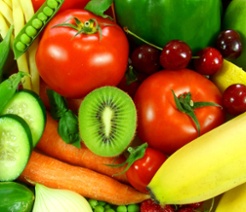
Due to challenging weather conditions, various regions like Arizona, California, Florida, Honduras, and Mexico are facing a decline in crop yields, coupled with quality issues and bloom loss. The move from Yuma, AZ, to Salinas Valley, CA, will be completed a few weeks from now. During this time markets are expected to remain higher. The desert growing regions have experienced ongoing market volatility due to recent weather-related challenges, resulting in fluctuating prices for many items. Furthermore, there has been a noticeable decrease in yields and weights.

Grains

This image has an empty alt attribute; its file name is Grains.jpg

While palm oil saw a significant boost due to strong demand and lower production values, soybean oil went up due to declining crop forecasts in South America. Canola is following soy and palm in popularity.

Dairy

This image has an empty alt attribute; its file name is Dairy.jpg

Except for the medium and California/Northwest regions, all shell egg markets are flat. Block and barrel sales are declining. Butter is growing.

Beef

This image has an empty alt attribute; its file name is Beef.jpg

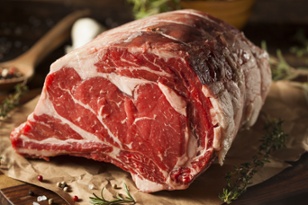
The majority of the present demand can be met by supply, therefore packers are hopeful. Buyers are still on the cautious side and prioritize their urgent needs. While strips continue to surprise with stronger pricing, middle meats remain stable. End cuts are still popular, particularly within rounds where they are supported by the requirement for lean trim.

Pork

This image has an empty alt attribute; its file name is Prk.jpg

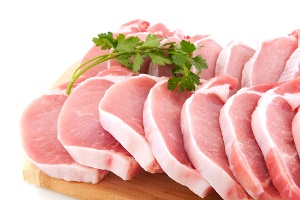
The rise in boneless butts was mostly caused by higher exports but B/I butts are flat. Although they are predicted to trade sideways until late March, ribs are also expected to move up next week. With the weather getting warmer, strap on loins are moving down and strap off loins are predicted to move up. The complex as a whole should also start to move higher. Once more, bellies are erratic, and they will drop over the coming week.

Poultry

This image has an empty alt attribute; its file name is Poultry.jpg

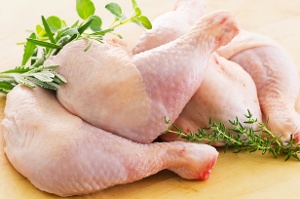
Bird mortality, hatchability, and weights are limiting product availability and driving up costs. The supply of breasts has decreased. In the market, wings are still tight. There is a limited supply of tenders. The desire for dark meat is still high. The majority of whole birds are balanced.

Seafood

This image has an empty alt attribute; its file name is Seafood.jpg

The season of Lent is now upon us. Due to the difficult season, there is a limited supply of lobster tails. The Dungeness crab season is well underway, as seen by the vendors’ fresh stock. This year, live crawfish costs will be high and supplies will be limited. Please think about switching to frozen crawfish.

Freshly Picked image

Freshly Picked, March 11, 2024

Alerts & What’s Trending

Produce

This image has an empty alt attribute; its file name is produce.jpg

Multiple growing regions, including Arizona, California, Florida, Honduras, and Mexico, continue to experience adverse weather conditions. As a result, there has been a notable decrease in crop yields overall, accompanied by an increase in quality problems and bloom loss. In a few weeks, we are nearing the transition from Yuma, AZ, to Salinas Valley, CA. This particular period has historically seen higher market prices and increased worries about product quality.

Grains

This image has an empty alt attribute; its file name is Grains.jpg

Soybean oil had a better start to the week but ended it with bigger inventories and less demand for biofuel. Recent weeks have seen an increase in canola prices, primarily as a result of technical trading and robust demand for biofuels. Palm grew as production decreased.

Dairy

This image has an empty alt attribute; its file name is Dairy.jpg

The markets for shell eggs are declining throughout the Northwest and California. Block and barrel prices are rising. Butter is now flat.

Beef

This image has an empty alt attribute; its file name is Beef.jpg

The market is still stable and there is plenty of supply. Customers are still on the cautious side and prioritize their urgent demands. Middle meats stay consistent. End cuts continue to be intriguing and effective. Packers are finding support on thin meats and grinds due to a restricted yield. Limited supplies rather than high demand is the driving force.

Pork

This image has an empty alt attribute; its file name is Prk.jpg

Again, butts are rising, with B/I butts rising far higher than Boneless butts. The demand for B/I butts is substantially more than expected. Since more people are placing orders for ribs, the price of ribs has also increased. Boneless loins have lowered a little. Given that the market is flat for the upcoming week, bellies may have stabilized. As demand and exports increase, ham sales are as anticipated.

Poultry

This image has an empty alt attribute; its file name is Poultry.jpg

Bird mortality, hatchability, and weights are limiting product availability and driving up costs. The supply of breasts has decreased. In the market, wings are still tight. There is a limited supply of tenders. The desire for dark meat is still high. The majority of whole birds are balanced.

Seafood

This image has an empty alt attribute; its file name is Seafood.jpg

Lent is now in full force. Due to the difficult season, there is a limited supply of lobster tails. The Dungeness crab season is well underway, as seen by the vendors’ fresh stock. This year, live crawfish costs will be high and supplies will be limited. Please think about switching to frozen crawfish for a substitute.

Freshly Picked image

Freshly Picked, March 4, 2024

Alerts & What’s Trending

Produce

This image has an empty alt attribute; its file name is produce.jpg

Adverse weather conditions persisting in different growing regions have resulted in a significant decline in overall crop yields and an increase in quality issues and bloom loss. Moreover, we are approaching the transition from Yuma, AZ to Salinas Valley, CA in a few weeks, a period that has historically witnessed elevated market prices and heightened quality concerns. California is currently experiencing another round of storms, with additional rainfall expected in the central growing regions. While these rains won’t immediately impact vegetable production, the effects will be seen as the transition from Yuma to Salinas occurs. Growers have been dealing with quality defects that can affect yields and weights but are working hard to address these issues in the fields.

Grains

This image has an empty alt attribute; its file name is Grains.jpg

Last week, the market for soybean oil fell by about 3.5% as speculative speculators kept selling. With some increased exports and China pulling back after the Lunar New Year celebrations, palm oil saw little change. Canola saw significant speculative selling but finished largely unchanged despite its volatility.

Dairy

This image has an empty alt attribute; its file name is Dairy.jpg

The markets for shell eggs are declining throughout the Northwest and California. Block size is getting smaller. Barrel is becoming bigger. Butter is still up.

Beef

This image has an empty alt attribute; its file name is Beef.jpg

Chucks are still steady. Rounds are getting stronger, and buyers appear to be entering the market more quickly. Sel/No Roll grade and light ribs in particular have produced a little strength in the ribs and tenders. Strips are still scarce and getting stronger. For the near future, grinds are combined from packer to packer.

Pork

This image has an empty alt attribute; its file name is Prk.jpg

Butts are still in high demand, thus they are continuing to rise. Strengthening of the ribs is still evident. Within the next week, this is anticipated to fall off. Loins are moving in line with the usual seasonal trend, notwithstanding the slowdown in retail demand. Although the market is still erratic, bellies are heading downward for the upcoming week. As predicted, ham sales are rising due to robust exports and rising consumer demand.

Poultry

This image has an empty alt attribute; its file name is Poultry.jpg

Prices are rising across the board, following the same pattern that has been evident over the past month. All sizes of breasts had significant price hikes. Wings of all sizes continue to rise in popularity due to high demand. There is a persistent rise in tenders. The birds as a whole were marginally smaller. Dark is still up.

Seafood

This image has an empty alt attribute; its file name is Seafood.jpg

The season of Lent is now upon us. Due to the difficult season, there is a limited supply of lobster tails. The Dungeness crab season is well underway, and new stock is already available from vendors. This year, crawfish prices will be high and supplies will be limited.

Freshly Picked image

Freshly Picked, February 26, 2024

Alerts & What’s Trending

Produce

This image has an empty alt attribute; its file name is produce.jpg

Continued adverse weather conditions across various growing regions have caused a considerable drop in overall yields and an uptick in quality problems and bloom loss. Thankfully, several regions are expected to experience better weather in the upcoming weeks, which will likely improve the situation in multiple markets. We are less than a month away from the beginning of the leafy green transition, heading back to the Salinas Valley. Historically, we have seen higher markets and increased quality issues during this time. The weather has taken its toll on most commodities in Yuma, and the market has risen considerably. Growers see lighter weights as harvest crews mitigate epidermal peels and blisters. The markets have reacted due to the industry experiencing decreased yields and increased demand.

Grains

This image has an empty alt attribute; its file name is Grains.jpg

Although trading was down for the majority of the week, soybean oil finished the day down only around ½ percent. However, the market remains mostly negative. Canola fell along with soy, and supplies are good due to decreased exports and lower-than-anticipated demand for biofuel. Palm is higher when exports rise and production declines.

Dairy

This image has an empty alt attribute; its file name is Dairy.jpg

Shell egg markets are rising, with the exception of the Northwest and flat mediums. Eggs from California are declining. Block is going down and barrel is going up in cheese. Cream is plentiful, and butter is low.

Beef

This image has an empty alt attribute; its file name is Beef.jpg

Packers keep cutting crop in order to control inventories and boost profits. For the time being, buyers remain calculating and live hand to mouth. As consumers search for deals on value cuts, chucks and rounds maintain their appeal due to their firmness in the ends. Since tenders and ribs have the most dollar exposure, buying has slowed and pricing discovery has been constrained.

Pork

This image has an empty alt attribute; its file name is Prk.jpg

The market for butts is still very active and moves against the seasonal trend. Spareribs and backribs are still in demand, although this market is likely to experience a downturn before rebounding. This time of year, low demand for boneless loins is to be expected, hence prices are dropping. Bellies remains a highly unstable market. For the next few weeks, there should be significant volatility.

Poultry

This image has an empty alt attribute; its file name is Poultry.jpg

The market for chicken is expanding overall, with some products enjoying HUGE increases. Breasts increased in all sizes, with jumbo and medium sizes seeing the biggest price increases. Wings of all sizes continue to rise in popularity due to high demand. There is a persistent rise in tenders. Last week, whole birds were somewhat higher. Thighs were elevated.

Seafood

This image has an empty alt attribute; its file name is Seafood.jpg

Lent is now here. Due to the difficult season, there is a limited supply of lobster tails. The Dungeness crab season is well underway, and new stock is already available from retailers. This year, crawfish prices will be high and supplies will be limited.

Freshly Picked image

Freshly Picked, February 19, 2024

Alerts & What’s Trending

Produce

This image has an empty alt attribute; its file name is produce.jpg

The persistent unfavorable weather conditions in different growing regions have led to a decrease in overall yields and an increase in quality issues and bloom loss. Consequently, market prices have remained higher and are anticipated to stay at this level for the upcoming weeks. The weather patterns continue to challenge quality and harvesting crews out of the desert growing regions of Arizona and California.

Grains

This image has an empty alt attribute; its file name is Grains.jpg

Last week, oil consumers took advantage of the lower markets and invested in soybean oil, which caused the markets to rise. Canola oil is flat since there is a good supply and soft exports of seeds. Palm is likewise flat; nevertheless, although we have been anticipating some supply problems due to their weather, nothing significant has happened as of yet.

Dairy

This image has an empty alt attribute; its file name is Dairy.jpg

Eggshell markets are rising, with the exception of the Northwest and flat mediums. Eggs from California are declining. Barrels are growing while blocks are shrinking. Butter remains down.

Beef

This image has an empty alt attribute; its file name is Beef.jpg

Rounds and chucks stay constant as long as supplies are traded. The lighter tones of ribs continue to warn purchasers. Strips show a mixed reflection because of product pockets, with CAB showing the greatest strength. Overall, tenders are still soft; the only grade that shows strength is Sel. As supply increase, grinds are topping out and should correct in the coming weeks.

Pork

This image has an empty alt attribute; its file name is Prk.jpg

Demand for butts is still high, but it should level down in the coming week or two. Bellies are dropping following a brief spike brought on by buy-ins that have since decreased. Although spareribs and backribs saw another increase in price, the market is expected to decline over the coming weeks

Poultry

This image has an empty alt attribute; its file name is Poultry.jpg

The increased demand for wings and tenders has persisted even after the Super Bowl. The supply of breasts in greater sizes has somewhat decreased. The market is still thriving for dark meat. Mostly balanced whole birds.

Seafood

This image has an empty alt attribute; its file name is Seafood.jpg

Lent has begun. The season has been difficult for lobster tails, and there is a limited quantity. All sizes of cold-water lobster tails are seeing price increases due to difficult inventory circumstances. The Dungeness crab season is well underway, and new stock is already available from vendors.

Freshly Picked image

Freshly Picked, February 12, 2024

Alerts & What’s Trending

Produce

This image has an empty alt attribute; its file name is produce.jpg

The decline in overall yields and the rise in quality issues can be attributed to the persistent adverse weather conditions experienced in various growing regions. As a result, market prices have remained elevated and are expected to continue at this level for the next few weeks. There is no rain in the forecast for the remainder of the week, but muddy fields will slow packing with minor delays at loading. We have seen freezing temperatures, rain, and heat. That culmination can damper the quality, and we are seeing blisters, peeling, and some pinking in lettuce/leafy items. Growers have been working hard to keep quality and weights consistent through these challenges.

Grains

This image has an empty alt attribute; its file name is Grains.jpg

Last week’s soybean oil futures saw a strong start before declining at the end of the week. Although the higher rise was caused by rising energy markets, soybean futures were kept in control by the overall strong supply of beans and other commodities. Canola is flat, whereas palm has increased due to production problems and Chinese demand.

Dairy

This image has an empty alt attribute; its file name is Dairy.jpg

With the exception of Northwest California, where shell egg prices are flat. Cheeses from Block & Barrel are getting better. Butter is still up.

Beef

This image has an empty alt attribute; its file name is Beef.jpg

Packers are attempting to increase replacement cost by paying extra for cattle last week. Chucks and bullets stay consistent. Buyers should use caution as ribs remain in corrective mode. Strips are also steady, with premiums carried by CAB and Sel. Overall, tenders are still soft. As supply increase, grinds are topping out and should correct in the coming weeks.

Pork

This image has an empty alt attribute; its file name is Prk.jpg

A small increase in butts was caused by more upfront purchases. The market for ribs showed considerable growth as well, particularly for backribs and spareribs. Demand is steady and loins are staying basically stable. Bellies moved down this week and are still erratic.

Poultry

This image has an empty alt attribute; its file name is Poultry.jpg

Wings were the star of the market, and they were harder to get due to the Super Bowl. The availability of breasts in all sizes has improved. There are fewer and fewer tenders available. The desire for dark meat is still high. The majority of whole birds are balanced.

Seafood

This image has an empty alt attribute; its file name is Seafood.jpg

The market for imported shrimp is beginning to solidify, and as Lent approaches, price increases are anticipated. In California, the Dungeness crab season began last week, and vendors will be receiving new stock from the upcoming season. Expect discounts on products from the previous season. The domestic crawfish stock has been wiped out by this summer’s dry weather.

Freshly Picked image

Freshly Picked, February 7 2024

Alerts & What’s Trending

Produce

This image has an empty alt attribute; its file name is produce.jpg

The western region of the United States is still experiencing significant rainfall. This, combined with consistently unfavorable weather conditions in Mexico and the Eastern United States, has led to continued decreased crop yields and higher-than usual markets. The overall leafy green markets continue to remain relatively steady. However, we will see delays in harvesting in Yuma from the rainy weather. We should expect to see a limited degree of weather-related issues for about another week. Harvest crews are working diligently to put up a good, usable pack. Production blocks are on a regular harvest schedule. However, we could see some lighter supplies as yields drop due to selection.

Grains

This image has an empty alt attribute; its file name is Grains.jpg

Last week’s soybean oil futures saw a strong start before declining at the end of the week. Although the higher rise was caused by rising energy markets, soybean futures were kept in control by the overall strong supply of beans and other commodities. Canola is flat, whereas palm has increased due to production problems and Chinese demand.

Dairy

This image has an empty alt attribute; its file name is Dairy.jpg

This week, shell egg marketplaces are booming. Block is growing while the barrel market is contracting, butter is still up. Prices for January Cream and Culture will be lower as a result of such market modifications.

Beef

This image has an empty alt attribute; its file name is Beef.jpg

The market for beef has remained robust as long as people keep buying it. As retail beef sales volume starts to drop and prices continue to rise, the beef industry is witnessing a little decline in demand.

Pork

This image has an empty alt attribute; its file name is Prk.jpg

Butts are continuing to drop as expected; this trend should continue for a few more weeks. As long as rib stays stable, sideways trading is expected to persist for the foreseeable future. Similar to butts, loins are fashionable at the moment. Due to the strong demand and typical seasonal trends, bellies are still increasing.

Poultry

This image has an empty alt attribute; its file name is Poultry.jpg

The demand for chicken is still growing. The availability of breasts in all sizes has improved. There are fewer and fewer tenders available. It’s wing season, so demand for wings of all sizes is rising. The desire for dark meat is still high. The majority of whole birds are balanced.

Seafood

This image has an empty alt attribute; its file name is Seafood.jpg

The market for imported shrimp is beginning to solidify, and as Lent approaches, price increases are anticipated. In California, the Dungeness crab season began last week, and vendors will be receiving new stock from the upcoming season. Get a few deals on products from the previous season. The domestic crawfish stock has been wiped out by this summer’s dry weather.

Managing Data for Multiple Restaurant Locations

Managing Data for Multiple Restaurant Locations

Expanding your restaurant to multiple locations brings both opportunities and complexities, especially when it comes to managing data. From transactions to staff schedules, each site generates a unique set of information.

When you streamline your restaurant’s data management, your turn that information into a powerful ally in your culinary expansion.

In this blog, we’ll explore the hurdles of data consistency and dive into strategies for centralization, automation, and futureproofing.

What Is Data Management?

Data management refers to the comprehensive process of collecting, storing, organizing, and ensuring the integrity of data throughout its lifecycle. In the context of a restaurant with multiple locations, effective data management is crucial for maintaining a cohesive and streamlined operation. Here are key aspects of data management:

Data Mgmt

  1. Data Collection: Gathering relevant data from various sources within each restaurant location is the initial step. This can include sales transactions, customer feedback, inventory levels, employee schedules, and more.
  2. Data Storage: Once collected, data needs to be stored in a secure and accessible manner. Centralized databases or cloud-based solutions can provide a unified repository for information from different locations, ensuring easy access for analysis and reporting.
  3. Data Organization: Organizing data involves structuring information in a way that is meaningful and facilitates efficient retrieval. Categorizing data into relevant segments (e.g., sales, inventory, employee performance) allows for easier analysis and decision-making.
  4. Data Integrity and Quality: Ensuring the accuracy and quality of data is paramount. Regular audits and validation processes help identify and correct errors, inconsistencies, or discrepancies, providing reliable information for strategic decision-making.
  5. Data Security: Protecting sensitive information is a critical aspect of data management. Implementing robust security measures, such as encryption and access controls, helps safeguard customer data, financial records, and other confidential information.
  6. Data Analysis and Reporting: Analyzing data provides valuable insights into business performance. Reporting tools can generate meaningful reports and dashboards that offer a consolidated view of operations across multiple locations, aiding in decision-making processes.
  7. Compliance and Governance: Adhering to data privacy regulations and industry standards is essential. Establishing governance frameworks ensures that data is managed ethically, legally, and in alignment with relevant compliance requirements.
  8. Data Lifecycle Management: Data has a lifecycle, from creation to archival or deletion. Understanding and managing this lifecycle is crucial for optimizing storage resources and ensuring that only relevant data is retained for analysis and reporting.

By implementing effective data management practices, restaurant chains can harness the power of their information, gaining actionable insights and operational efficiencies.

This foundation is essential for addressing the challenges, centralizing data, embracing automation, and future-proofing data management for

Challenges of Data Management for Multiple Locations

Managing data for multiple restaurant locations poses challenges in maintaining consistent reporting, ensuring data accuracy, and handling diverse sets of data generated by different locations. Integration of systems, data security concerns, and the need for staff training add layers of complexity.

Overcoming these challenges requires strategic approaches, such as standardized processes, technology integration, and continuous training, to leverage data as a valuable asset for efficient management and growth.

Understanding the Power of Data Centralization

Unifying Insights Across Locations:

Centralizing data allows for a unified view of operations across all locations. This can aid in better decision-making, as managers and stakeholders can analyze consolidated data to identify trends, successes, and areas for improvement.

Precision in Supply Chain Management:

Centralized data enables better control over the supply chain. It helps in optimizing inventory levels, streamlining procurement processes, and negotiating better deals with suppliers based on the aggregated purchasing power of all locations.

 Embracing Automation for Enhanced Efficiency

Predictive Analytics for Proactive Decision-Making:

Leveraging predictive analytics can help anticipate demand, optimize pricing, and enhance customer experiences. By analyzing historical data from all locations, restaurants can make informed decisions regarding inventory, staffing, and menu offerings.

Tailored Solutions for Diverse Needs:

Different locations may have unique requirements based on their demographics and customer preferences. Automation tools can be customized to cater to these diverse needs, ensuring that each location operates efficiently while still adhering to the overall brand strategy.

Future-Proofing Data Management with Consolidated Concepts

Investing in Consolidated Concepts helps you facilitate seamless data sharing and communication between different locations to future-proofing data management. This helps ensures that all aspects of your business, from point-of-sale systems to inventory management, are integrated.

Choosing scalable data management solutions and regularly training staff on these tools and technologies will help you keep up with industry trends and adapt to the growth of your restaurant chain.

Conquer the challenges of managing data across multiple locations by joining Consolidated Concepts today. Take the initiative, implement these strategies, and propel your business towards a more streamlined and efficient future.

 

Freshly Picked image

Freshly Picked, January 22, 2024

Alerts & What’s Trending

Produce

This image has an empty alt attribute; its file name is produce.jpg

The markets have sustained their upward trajectory as a result of a confluence of heightened domestic demand and reduced yields stemming from unfavorable weather conditions across various cultivation areas. It is projected that this pattern will endure until the month of January. The desert growing regions of Southern California and Western Arizona (Yuma) have experienced cold weather over the last two weeks, with several hours of field freeze in the early morning hours. Nighttime temperatures have risen slightly, with only traces of frost in the fields at this time, but due to the cold temperatures, expect to see the effects of the freezing temperatures in all items shipping from these growing areas. Supplies out of these regions remain steady, but markets have increased slightly.

Grains

This image has an empty alt attribute; its file name is Grains.jpg

The soybean oil market is moving sideways because there isn’t any meaningful market news. The market may rise swiftly if the big funds reverse their short positions, which they currently hold. Canola seed is weak and canola oil is flat. Due to a decrease in available stockpiles and a rise in exports, palm climbed marginally higher.

Dairy

This image has an empty alt attribute; its file name is Dairy.jpg

This week, shell egg marketplaces are booming. Markets for barrels and blocks are expanding. It’s butter time. Prices for January Cream and Culture will be lower as a result of such market modifications.

Beef

This image has an empty alt attribute; its file name is Beef.jpg

This market has increased as a result of the first winter storm. Rounds and chucks are in style. This week has seen a 180° turn in the appreciation of ribs and strips, which began last week. In the best-case scenario, tenderloins will maintain the present market pricing and follow suit. Due to the restricted crop, grinds are still in short supply; gains are observed on 80’s and source grinds.

Pork

This image has an empty alt attribute; its file name is Prk.jpg

It appears that butts have peaked and should start to decline. Large cold storage inventories are also contributing to the downward trend in rib prices. Be prepared to give in this market. Because there is little demand, boneless loins are likewise continuing to decline. Bellies are expected to gain strength over the month after showing modest support the previous week.

Poultry

This image has an empty alt attribute; its file name is Poultry.jpg

Because of MLK Day and the cold conditions in the South that halted production, there is a shortage of goods overall. The availability of breasts in all sizes has decreased. Tenders are becoming less available. Demand for wings of all sizes has increased due to the NFL Playoffs, and production has decreased. The market for dark meat is still strong.

Seafood

This image has an empty alt attribute; its file name is Seafood.jpg

On 12/22/23, an executive order was announced concerning the limitations on the provenance of seafood raw materials. Proactively, we are collaborating with suppliers to guarantee the availability of impacted commodities. Great Lakes whitefish season begins with some good catches. In the upcoming months, shortages of lobster tails from the North Atlantic are anticipated.

Freshly Picked image

Freshly Picked, January 15, 2024

Alerts & What’s Trending

Produce

This image has an empty alt attribute; its file name is produce.jpg

The markets have remained higher due to a combination of increased national demand and lower yields caused by adverse weather in multiple growing regions. It is anticipated that this trend will persist until January. The desert growing regions of Southern California and Western Arizona (Yuma) have been experiencing cold weather over the last week, with several hours of field freeze in the early morning hours. Expect delays in load times due to harvesting starting late due to the cold weather.

Grains

This image has an empty alt attribute; its file name is Grains.jpg

The market for soybean oil has stabilized. Crop conditions and weather in South America are getting better. Money has been transferred from commodities to stocks by funds. Canola is still in a steady state with favorable market circumstances generally and no history of problems with winter logistics. With a generally strong balance sheet, palm is lower. steady.

Dairy

This image has an empty alt attribute; its file name is Dairy.jpg

This week, shell egg markets are completely closed. Block markets are growing while barrels are shrinking. It’s butter time. Prices for January Cream and Culture will be lower as a result of such market modifications.

Beef

This image has an empty alt attribute; its file name is Beef.jpg

Although top 2/3, select grade, and light weight specifications have leveled off due to limited boxes, middle beef pricing had begun to drop. The supply of tenderloins exceeds the demand, causing them to continue to decline. Strips are nevertheless valuable even in limited quantities. Rounds and Chucks are trading consistently. There is still a shortage of grinds because of the small yield.

Pork

This image has an empty alt attribute; its file name is Prk.jpg

It appears that butts have peaked and should start to decline. Large cold storage inventories are also contributing to the downward trend in rib prices. Be prepared to give in this market. Because there is little demand, boneless loins are likewise continuing to decline. Bellies are expected to gain strength over the month after showing modest support the previous week.

Poultry

This image has an empty alt attribute; its file name is Poultry.jpg

Because of the limited production period after the holidays, overall supply is tighter. The availability of breasts in all sizes has decreased. There are fewer and fewer tenders available. The demand for wings has increased, making them more difficult to locate. The market for dark meat is still strong. Complete birds are balanced.

Seafood

This image has an empty alt attribute; its file name is Seafood.jpg

On December 22, 2023, a new executive order pertaining to restrictions on the provenance of seafood raw materials was made public. To guarantee appropriate supply continuity for all impacted commodities, we are proactively collaborating with all suppliers. In the Great Lakes, whitefish season is well underway with some excellent catches thus far.