Freshly Picked image

Freshly Picked, August 21, 2023

Alerts & What’s Trending

Produce

This image has an empty alt attribute; its file name is produce.jpg

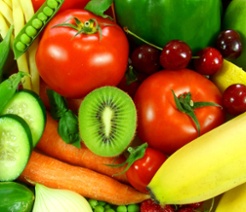
Overall markets have remained relatively steady across most commodities, even with the increased demand from schools returning. However, we may see markets increase due to Tropical Storm Hillary. We are tracking the storm that is likely to become a hurricane off the west coast of Mexico and is certain to impact summer vegetable production on the Baja Peninsula, and possibly some parts of California. We will be monitoring this over the next five days. Out of the Salinas Valley, supplies remain steady across most commodities.

Grains

This image has an empty alt attribute; its file name is Grains.jpg

The U.S. growing region experienced some good rainfall and a little amount of cooling, which caused the market to go somewhat lower. Meal and soybeans dropped in price. Together with lower European seed, canola seed moved lower. Together with reduced soybean and palm oil, canola oil fell. With balanced demand and supply, palm was lower.

Dairy

This image has an empty alt attribute; its file name is Dairy.jpg

Markets for shell eggs are largely stable, but some softness persists in California markets. Markets for cheese are up this week but may remain stable for the following week. Butter markets are stable, and prices for cultured products will either be flat or slightly higher depending on the categories below.

Beef

This image has an empty alt attribute; its file name is Beef.jpg

The market has been helped by decreased livestock inventories and lower harvest levels. Packers are in a good position with their inventories and have a positive tone. Ribs and tenders have become firmer. The market for strips is still weak, and there is a large supply. Multiple channels of interest are supporting consistent to stronger tones on end cuts. Grinds maintain their consistent tonality.

Pork

This image has an empty alt attribute; its file name is Prk.jpg

It’s possible that butts have finished falling and may now briefly trade sideways until the days leading up to Labor Day. Retailers are becoming more interested in loins. Despite a minor fall, stomachs were still able to rise. Although demand for ribs is likely to increase over the next weeks, prices are still reasonably stable.

Poultry

This image has an empty alt attribute; its file name is Poultry.jpg

The south’s hot weather has continued to have an impact on the declining supply of birds. Breast markets have improved as supply has become more limited, particularly in jumbo. Tenders are still in short supply and in high demand. Most whole birds are even. All sizes of wings are in high demand and in short supply. Due to strong demand, dark meat is stable.

Seafood

This image has an empty alt attribute; its file name is Seafood.jpg

The season for snow crabs was extended to the end of August. Overseas, tilapia replacement costs are rising. Although there is a large supply of imported shrimp, demand is increasing. The market for lobster tails is expanding. Lobster landings in Canada are declining year over year and there is a shortage of larger sizes.

Freshly Picked image

Freshly Picked, July 31, 2023

Alerts & What’s Trending

Produce

This image has an empty alt attribute; its file name is produce.jpg

We are beginning to see increased demand, and will continue to increase as schools resume in two weeks. Furthermore, we will continue to see markets rise due to the weather effects (rain, cooler and hot temperatures) in several growing regions affecting yields.

Grains

This image has an empty alt attribute; its file name is Grains.jpg

Futures for soybean oil increased once more. Numerous market pundits have predicted that this market is close to its peak and is about to undergo a slump. Weather issues and the consequences of the collapse of the grain deal between Russia and Ukraine led to poor crop scores. Canola is up because of the dry, hot weather in Canada, while palm is moving because of the demand for soybean oil.

Dairy

This image has an empty alt attribute; its file name is Dairy.jpg

Markets for shell eggs are stable nationwide; those for cheese and butter are rising as a result of rising demand and constrained supply; those for cream and culture will only see slight price rises in July; and those for processed eggs will experience a decline.

Beef
This image has an empty alt attribute; its file name is Beef.jpg

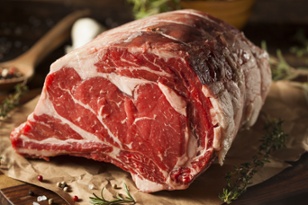
The industry is waiting to see the effects as the weather continues to heat up across the nation. Select grade continues to struggle, while middle meat interest is considered as steady, and packers are working to keep the price gap between CAB and Choice. End cuts seem to have achieved a stable supply-demand equilibrium. Grinds may profit most in the next weeks as a result of the reduced harvest; sadly, mixed offers are maintaining the consistent tone.

Pork
This image has an empty alt attribute; its file name is Prk.jpg

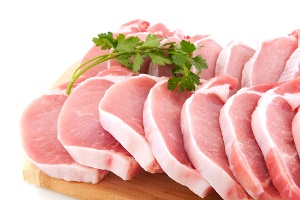
As is customary during the Fourth of July holiday, butts are still declining week over week. The rib complex has decreased as anticipated after being largely flat the previous few weeks. This week, there were minor declines in boneless loins but no changes in bone-in loins. Large cold storage supplies are causing a surge of bellies, hams, and trimmings.

Poultry
This image has an empty alt attribute; its file name is Poultry.jpg

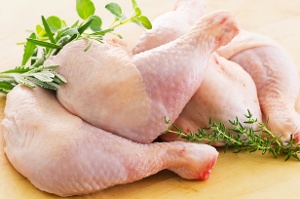
As supply has become more constrained, breast markets have begun to strengthen. Tenders are getting stronger but are still hard to come by. Most whole birds are even. All sizes of wings are getting stronger, therefore supply is likely to become constrained. Due to strong demand, dark meat is stable.

Seafood
This image has an empty alt attribute; its file name is Seafood.jpg

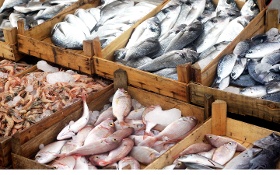
Soft demand across the nation for frozen seafood has resulted in prices plateauing as a result of warehouses’ excess stock. Due to a delayed start to their season, the snow crab season in Newfoundland and Labrador has been prolonged until the end of July, although costs are increasing for all snow crab.


Freshly Picked image

Freshly Picked, July 24, 2023

Alerts & What’s Trending

Produce

This image has an empty alt attribute; its file name is produce.jpg

Overall, markets were somewhat steady as demand was slightly lower than anticipated across most commodities but is expected to increase in three weeks when schools begin. Due to the weather effects (rain, cooler and hot temperatures) in several growing regions affecting yields, we will likely see markets begin to rise. Weather continues to increase in the Salinas Valley, helping increase the maturity rate of the crops.

Grains

This image has an empty alt attribute; its file name is Grains.jpg

The reported reduced soybean oil stocks and the bad crop scores caused soybean oil futures to surge upward once again last week. The price of soybean oil futures has increased by approximately 30% in recent weeks. With the weather being hotter and dryer than usual, canola seed futures climbed higher once more. Markets for palm oil declined as stocks rose.

Dairy

This image has an empty alt attribute; its file name is Dairy.jpg

Shell egg markets are stable due to stable demand. California eggs are still marginally declining. Due to rising demand, the markets for cheese and butter are also up. For July, there will be slight price hikes for cream and culture. A drop in processed eggs will be seen in July as avian influenza is not a concern at this time.

Beef

This image has an empty alt attribute; its file name is Beef.jpg

The unpredictability of the market continues to be the balance between weekly harvest and demand. As select grade continues to deteriorate, middle meats like ribs, strips, and tenders are attempting to maintain a balanced price between CAB and Choice. End cuts, chucks, and rounds seem to be in a precarious position as purchasers have met their needs and are now watching to see how the market develops.

Pork

This image has an empty alt attribute; its file name is Prk.jpg

Butts continue to decrease week over week. Although remaining flat, the rib complex is beginning to slope downward. Similar to the ribs, loins had slight decreases but remained flat. Despite growth, the price of bellies, hams, and trimmings continued to decline due to abundant cold storage supply.

Poultry

This image has an empty alt attribute; its file name is Poultry.jpg

As supply has become more constrained, breast markets have begun to strengthen. Tenders are still scarce and continue to hold. Most whole birds are even. Smaller wings are equally as plentiful as jumbo and medium wings. Due to strong demand, dark meat is stable.

Seafood

This image has an empty alt attribute; its file name is Seafood.jpg

The frozen fish business has not experienced any significant occurrences, thus the price of raw materials has remained constant month over month. Frozen food warehousing, which has a significant impact on pricing, is still at capacity and available space is being sold for a premium. Compounding the problem is the soft demand for these goods.

Freshly Picked image

Freshly Picked, July 17, 2023

Alerts & What’s Trending

Produce

This image has an empty alt attribute; its file name is produce.jpg

Overall demand is expected to rise over the next few weeks, which will likely keep markets active due to current weather effects (rain, cooler and hot temperatures) in several growing regions affecting yields. Weather is warming up in the Salinas Valley, which is helping increase the maturity rate of the crops.

Grains

This image has an empty alt attribute; its file name is Grains.jpg

Soybeans oil futures soared, but settled almost flat on the week; prices are still very high and are expected to move higher. The USDA reported soybean oil inventories lower than expected. The good news is that the US got some rains. The bad news is that the canola has moved up as they are facing drought. Europe is facing drought as well.

Dairy

This image has an empty alt attribute; its file name is Dairy.jpg

The shell egg market is stable as the market prices are stable; California only experienced a slight decrease. The cheese and butter market is turning bullish, led by European markets. The prices of cream and Culture are increasing slightly in July.

Beef

This image has an empty alt attribute; its file name is Beef.jpg

The tone is weak and there’s a lot of pressure for packers to figure out how to balance demand with weekly harvest figures. Ribs and tenders continue to struggle as demand slows down into the tail-end of summer. Strips continues to surprise. More on CAB vs. Choice. Limited supply continues to play a big role here. End cuts, chucks and rounds are starting to weaken as more boxes come on the market.

Pork

This image has an empty alt attribute; its file name is Prk.jpg

Butts decreased this week. Rib complex remains relatively stable but could see an increase in fresh ribs. Loins had slight gains driven by retail demand. Bellies gained with Prop 12 build-up as anticipated but remain flat year-on-year due to heavy cold stock. Hams & Trimmings gained this week.

Poultry

This image has an empty alt attribute; its file name is Poultry.jpg

Breast market is mostly balanced. Tenders are stable and still in shortage. Whole birds are balanced. Jumbo and mid-sized wings are increasing while small are balanced with plenty of supply. Dark meat stable on solid demand.

Seafood

This image has an empty alt attribute; its file name is Seafood.jpg

The scallop season has had mixed results when it comes to raw material sizes. The supply of smaller sizes is tighter than the supply of larger sizes. The availability of fish in Great Lake is variable as warmer weather pushes fish deeper into the lake. The strong stock in US warehouses has been weakening the market on a number of frozen products.

Tailoring Success

Tailoring Success: The Power of Custom Contracts for Multi-Unit Foodservice Operators

In the highly competitive landscape of the restaurant industry, success hinges not only on exceptional food and service but also on effective contract management.

Multi-unit restaurant operators face unique challenges in managing numerous contracts with suppliers, vendors, landlords, and other stakeholders across their expanding network.

It is within this context that the power of custom contracts emerges as a vital tool for driving operational efficiency, mitigating risks, and maximizing profitability.

By adopting a strategic approach to contract management and leveraging technology, operators can unlock substantial advantages and gain a competitive edge in an industry where every detail counts.

Tailoring Success

The Power of Custom Contracts for Multi-Unit Operators

As a multi-unit operator, custom contracts in conjunction with being a Consolidated Concepts member offers several advantages.

Here are some of the benefits of custom contracts:

Tailored Pricing

Tailored Pricing and Cost Savings

Custom contracts allow multi-unit operators to negotiate pricing and terms specific to their unique needs and purchasing volumes.

By leveraging the expertise and purchasing power of Consolidated Concepts, operators can secure competitive pricing and maximize cost savings across their restaurant locations.

Vendor Selection

Vendor Selection and Management

Custom contracts enable multi-unit operators to choose preferred vendors that align with their specific requirements and quality standards.

Consolidated Concepts assists in vetting vendors and negotiating contracts that meet the desired specifications of the operators.

This ensures consistent product quality and streamlines vendor management across all locations.

Flexibility and Customization

Flexibility and Customization

Custom contracts provide multi-unit operators with the flexibility to tailor contract terms. This includes delivery schedules, payment terms, product specifications, and service-level agreements.

This customization allows operators to align contracts with their operational needs, ensuring efficient and seamless supply chain management.

Streamlined Procurement

Streamline Procurement Processes

Consolidated Concepts and custom contracts simplify the procurement process for multi-unit operators.

Operators can access a wide range of pre-vetted vendors and products through a centralized platform.

This streamlines purchasing, eliminates the need for individual negotiations, and reduces administrative burdens associated with managing multiple contracts.

Consistency and Standardization

Improved Consistency and Standardization

Custom contracts help achieve consistency and standardization across all restaurant locations.

By establishing uniform terms and conditions, operators can ensure that products, pricing, and service levels are consistent across their entire portfolio.

This enhances brand consistency and customer experience.

Support and Negotiation

Expert Support and Negotiation

Consolidated Concepts provides expert support in contract negotiation, leveraging their industry knowledge and supplier relationships.

Our team can guide multi-unit operators through the negotiation process. This helps secure favorable terms and resolves any contract-related issues that may arise.

Data Analytics

Data Analytics and Reporting

Custom contracts, coupled with our technology, offers multi-unit operators access to data analytics and reporting capabilities.

Operators can gain insights into purchasing patterns, product performance, and cost-saving opportunities.

This data-driven approach facilitates informed decision-making and allows for ongoing optimization of procurement strategies.

Tailor Success with Consolidated Concepts

As we mentioned above, custom contracts for multi-unit operators like you offer tailored pricing, vendor selection, flexibility, streamlined procurement processes, improved consistency, expert support, and data-driven insights.

These advantages contribute to cost savings, operational efficiency, vendor management, and overall success in the foodservice industry.

Become a member of Consolidated Concepts today.

Freshly Picked image

Freshly Picked, July 10, 2023

Alerts & What’s Trending

Produce

This image has an empty alt attribute; its file name is produce.jpg

Continued weather issues (rainfall, cooler temperatures, and hot temperatures) in Mexican, Peruvian, and U.S. growing regions have caused lower overall yields adding pressure to many of the markets. Cooler temperatures in the Salinas Valley have caused production to decline across many commodities. Additionally, growers see minor quality issues such as misshapen heads, sclerotinia, mildew, wind damage, tip burn, and yellowing, which have aided in the production loss. Fortunately, the weather is expected to increase over the coming weeks.

Grains

This image has an empty alt attribute; its file name is Grains.jpg

The futures market soared when the USDA released its stocks and acreage report. The weather is still a problem, and less soybeans were planted this year as the crop score continues to decline. Along with soybean oil, canola is also experiencing a great deal of weather-related problems. Although palm oil moved alongside soybean oil, the situation may improve as a result of falling shipments.

Dairy

This image has an empty alt attribute; its file name is Dairy.jpg

Markets for shell eggs are flat, with the exception of California, where they are beginning to decline quickly. Butter markets are marginally up, but cheese markets are falling. For July, there will be slight price hikes for Cream and Culture.

Beef

This image has an empty alt attribute; its file name is Beef.jpg

Tenders are losing control over the balance between supply and demand; the rib and strip support steady commerce. Reduced bids are being produced via end cuts, chucks, and rounds. Due to the quantity of the present harvest, “small” cuts like teres majors and clod hearts are scarce. The demand is maintaining prices while thin meat supplies are still limited. Despite the fact that this holiday has historically been a big one for grinds, the trend continues to be uninteresting.

Pork

This image has an empty alt attribute; its file name is Prk.jpg

The market showed gains for butts. The rib complex is still holding fairly steadily, but fresh ribs may show some upward movement. The forthcoming holiday and retail demand supported the minor gains in loins. Prop 12 planned build-up resulted in improvements for belly prices, but they continue to decline annually because of the abundance of cold storage. Hams remained largely unchanged. Trimmings decreased slightly week over week.

Poultry

This image has an empty alt attribute; its file name is Poultry.jpg

Breast markets are well distributed and well-supplied. Tenders are still scarce and continue to hold. Most whole birds are even. Smaller wings are equally as plentiful as jumbo and medium wings. Due to strong demand, dark meat is stable.

Seafood

This image has an empty alt attribute; its file name is Seafood.jpg

Unofficially, Canada’s snow crab harvesting season has come to an end. The prices are under increased pressure to rise going future, particularly for the higher sizes. This season, all of the quotas for the Gulf of St. Lawrence have been reached, however just 50% of the quota for the Newfoundland fishery has been reached thus far.

Freshly Picked image

Freshly Picked, July 3, 2023

Alerts & What’s Trending

Produce

This image has an empty alt attribute; its file name is produce.jpg

Weather issues (rainfall and extremely warm temperatures), lower yields, and higher overall demand have caused many markets to continue an upward trend. The Salinas Valley continues to see relatively steady supply with overall good quality across most commodities. Growers see some quality issues such as mildew, tip burn, cupping, and slightly lighter weights.

Grains

This image has an empty alt attribute; its file name is Grains.jpg

Futures experienced a severe decline at the beginning of the week, but they recovered and finished the week at 1% higher. This resulted from a biofuel mandate announcement by the EPA. However, the growing region’s dry conditions helped futures recover. Palm and canola both went in the same direction as soybean oil.

Dairy

This image has an empty alt attribute; its file name is Dairy.jpg

All of the country’s shell egg markets are steady, with the exception of California Mediums, which are down.06/dz. Although somewhat lower, cheese markets are anticipated to increase. Markets for butter are steady. For July, there will be slight price hikes for Cream and Culture.

Beef

This image has an empty alt attribute; its file name is Beef.jpg

Although tenders have lost support and are losing the balance between supply and demand, the rib market is still stable. Stripes are getting tighter as limited inventories are continually replenished. Although there is still a continuous demand for value reductions in the close-in shipping windows, out front asks have sadly not increased. Grinds are firm.

Pork

This image has an empty alt attribute; its file name is Prk.jpg

The vast majority of the primary marketplaces increased due to the 4th. Butts experienced yet another large gain as expected. Due to availability issues, St. Louis ribs rose more than the other cuts. Along with the rise in retail demand, loin prices also rose. Trimmings and bellies are moving up as planned.

Poultry

This image has an empty alt attribute; its file name is Poultry.jpg

Since it was the Fourth of July holiday, there was a high demand. Breast supply is still plentiful. This week’s bids remain stable. The market for whole birds is still very strong. There is a high demand for jumbo wings. Small and medium wings are remaining constant. Strong demand is still being seen for dark meat, particularly for thighs.

Seafood

This image has an empty alt attribute; its file name is Seafood.jpg

The in-shore spring fishing season in Louisiana ended on June 26 and won’t resume until August. Market weaknesses for imported shrimp are still present. This week, several sizes of black tigers and whites have continued to shrink. Mahi-mahi market stability is increasing as surplus supplies are being consumed.

Freshly Picked image

Freshly Picked, June 26, 2023

Alerts & What’s Trending

Produce

This image has an empty alt attribute; its file name is produce.jpg

Showers and severe weather in the southeast have harmed corps in South Georgia and we are seeing some shorts and pro-rates on a few categories due to delays with the most severe being corn. Markets will be unstable through the 4th of July at minimum on bell pepper, cucumber, corn, and squash. Tomatoes in the east are short as Florida and South Carolina wrap up for the season and transition is underway to Tennessee and North Carolina.

Grains

This image has an empty alt attribute; its file name is Grains.jpg

With the hot and dry weather continuing, soybean oil prices increased by another 10% last week. The market is also being driven upward by biofuels, and merchants have switched from being sellers to becoming purchasers. The dynamics for canola oil are the same as for soybean oil. Markets for palm oil are growing as a result of weaker Malaysian currency.

Dairy

This image has an empty alt attribute; its file name is Dairy.jpg

Markets for shell eggs are stagnant, yet they are still growing in California. Although markets for cheese are still declining, a recovery is anticipated. Despite a minor decline in milk markets, demand is rising. The cost of cream has risen a little.

Beef

This image has an empty alt attribute; its file name is Beef.jpg

Limited rib, strips, and tenders are still available, and sporadic stock replenishment is being done. As long as there is demand for value cutting, end cuts remain constant. Due to little supply and unexpectedly high consumer demand, thin meats remain popular. Grinds are firming, trim costs are remaining largely stable, and availability has begun to improve.

Pork

This image has an empty alt attribute; its file name is Prk.jpg

Unexpectedly, butts increased throughout the following week. Many of the primal markets are rising as a result of declining harvest numbers. The week may see some sideways trading for ribs, which are somewhat lower. Since retail demand has decreased, loin prices are also declining. Trimmings and bellies are holding up reasonably well.

Poultry

This image has an empty alt attribute; its file name is Poultry.jpg

Breast supply is still plentiful. The most sought-after offering is still tenders. The market for whole birds is still very strong. Demand for wings of all sizes is stable and rising. Strong demand for dark meat continues to exist, especially for thighs and legs.

Seafood

This image has an empty alt attribute; its file name is Seafood.jpg

The lobster season for the Canadian Spring Pack will finish on June 30. The season didn’t deliver as much as was anticipated. In general, the mussel supply appears to be constant during the coming 12 months. The demand for frozen sockeye has decreased. To reduce the inventory for 2022, the product is being discounted.

Unleashing the Power of Foodservice Data for Multi-Unit Operators

Unleashing the Power of Foodservice Data for Multi-Unit Operators

Behind every delicious meal served at your favorite restaurant lies a hidden force driving the culinary experience: foodservice data. This often-overlooked treasure trove of information holds the key to unlocking the true potential of the restaurant industry.

From optimizing costs and streamlining supply chains to fueling innovation and ensuring compliance, foodservice data has emerged as a game-changer in the way operators source, prepare, and savor our meals.

The immense power harnessed within foodservice data is reshaping the landscape of the culinary world and plays a powerful role in your day to day operations, especially when you’re managing multiple unit locations.

There are many ways you can unleash the power of data, especially with the help of Consolidated Concepts.

Here’s how you can put your data to work to help drive growth, enhance operational efficiency, and deliver exceptional dining experiences for your customers:

Data Collection and Integration

By implementing systems to collect and integrate data from various sources such as point of sale (POS) systems, inventory management systems, customer feedback platforms, and employee scheduling tools, you can have a comprehensive and accurate dataset to work with.

As a Consolidated Concepts member, we’ll take care of that for you!

Data Analysis and Visualization

Consolidated Concepts utilizes data analytics tools and software to analyze and visualize the collected data. We look for patterns, trends, and insights that can provide valuable information about customer preferences, operational efficiencies, menu performance, employee productivity, and more.

This step allows you to gain a deeper understanding of your business’s strengths and areas for improvement.

Performance Tracking and Benchmarking

You can use the data to track and measure the performance of each unit within your multi-unit operation. Establish benchmarks and key performance indicators (KPIs) to evaluate the success of individual units and identify top-performing locations.

This information will help you identify best practices, optimize operations, and drive overall profitability.

Menu Optimization and Personalization

Leverage foodservice data to optimize your menu offerings! You can identify which items are popular among customers and which ones are underperforming.

Use this insight to make informed decisions about menu changes, specials, promotions, and even personalized recommendations based on customer preferences.

Operational Efficiency and Cost Optimization

Analyze data related to operational metrics such as food costs, labor costs, and waste management. Identify areas where costs can be reduced without compromising quality or customer satisfaction.

For example, data may reveal opportunities to streamline procurement processes, adjust staffing levels, or implement more efficient kitchen workflows.

Customer Experience Enhancement

Utilize customer data to personalize and enhance the dining experience. Analyze customer feedback, reviews, and loyalty program data to understand their preferences, habits, and satisfaction levels.

This information can help you tailor marketing campaigns, create targeted promotions, and improve overall customer engagement.

Predictive Analytics and Forecasting

Harness the power of predictive analytics to anticipate future trends and customer demands. By analyzing historical data, you can forecast demand patterns, optimize inventory levels, and proactively plan for seasonal variations or special events.

This proactive approach enables you to make data-driven decisions and minimize waste or shortages.

Unleash the Power of Foodservice Data

Remember, unleashing the power of foodservice data requires a commitment to data-driven decision-making. Regularly review and update your data analysis processes to ensure you stay agile and responsive to changing market dynamics.

By harnessing the insights derived from foodservice data, multi-unit operators can drive growth, enhance operational efficiency, and ultimately, deliver exceptional dining experiences to their customers.

Join Consolidated Concepts today to unleash the power of foodservice data!

Freshly Picked image

Freshly Picked, June 19, 2023

Alerts & What’s Trending

Produce

This image has an empty alt attribute; its file name is produce.jpg

Showers and severe weather in the southeast have slowed down or delayed harvesting holding some markets higher this week. We are seeing a mixed market on some commodities.

Grains

This image has an empty alt attribute; its file name is Grains.jpg

Increased use of refined soybean oil for biofuels and a bad harvest score compared to the 5-year average last week both contributed to soybean oil futures prices skyrocketing. As a result, the price of canola rose, but the price of palm only marginally increased due to stable supply and lower demand.

Dairy

This image has an empty alt attribute; its file name is Dairy.jpg

California’s shell egg markets are stable but growing. This week’s cheese markets are higher, but there are still some negative signs. This week’s butter markets declined due to a robust supply and subpar exports. Although there is plenty of cream available, the price is rising somewhat.

Beef

This image has an empty alt attribute; its file name is Beef.jpg

Packers are under pressure due to a small harvest, which has constrained availability. Packers only have one choice due to the high cost of cattle, thus they must continue to demand higher prices for their boxes. Due to the holiday, rib, strips, and tenders remain restricted. End cuts are still attracting purchasers’ attention as long as value cuts are still in demand. Upward, the thin meats continue. Grinds are unpredictable.

Pork

This image has an empty alt attribute; its file name is Prk.jpg

Unexpectedly, butts increased throughout the following week. Fewer harvests are being made, which is raising prices in several basic marketplaces. The week may see some sideways trading for ribs, which are somewhat lower. Since retail demand has decreased, loin prices are also declining. Trimmings and bellies are holding up reasonably well.

Poultry

This image has an empty alt attribute; its file name is Poultry.jpg

Breasts in the jumbo and medium sizes are plentiful. In the market, bids are still quite competitive. The market for whole birds is still very strong. All sizes of wings are consistent, but demand is rising. Strong demand for dark meat continues to exist, especially for thighs and legs.

Seafood

This image has an empty alt attribute; its file name is Seafood.jpg

It doesn’t seem like the entire quota will be caught as the snow crab fishing season is coming to an end. Costs are increasing. The domestic shrimp season has begun, but landings have fallen short of forecasts while prices have decreased.