
Freshly Picked Insights
- Cut Costs. Not Staff. Not Corners.
- Your Next Menu Hit Shouldn’t Take a Bite Out of Margins
- Your Restaurants Are Busy. But Are They Profitable?
Poultry
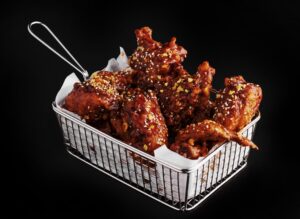
Chicken procurement is facing an unusually shallow fall price reset. Slaughter was 2% below a year ago despite a 0.4% weekly increase, and USDA forecasts a 354-million-pound production decline from the third to fourth quarter of 2026. That contraction is more than double the five-year average. Breasts and wings increased while tenders and thighs declined, and boneless skinless thighs retained an unusual premium to breasts. Across locations, review specifications and approved substitutions at the cut level rather than applying one chicken inflation assumption to every concept.
Outlook: Winter procurement plans should allow for upside risk while monitoring whether chick placements, up 1.2% year over year, translate into supply improvement.
Beef
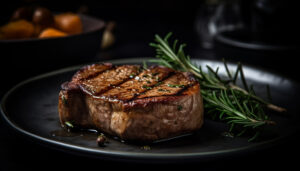
Beef buying remains constrained by supply and substantial differences among cuts. Weekly output improved 0.2%, yet production was 6.7% below a year earlier and 4.9% lower year to date. Choice and select cutouts declined, including weakness in briskets, chucks and rounds, while ribs set a record. Feedlot placements fell 7% to the lowest October reading since records began in 1996. Tyson’s beef business also recorded its 13th consecutive quarterly operating loss, underscoring processing pressure that the commentary links to potentially erratic winter output.
Outlook: Maintain cut-specific coverage and substitution options because isolated wholesale declines are unlikely to eliminate winter supply volatility.
Pork
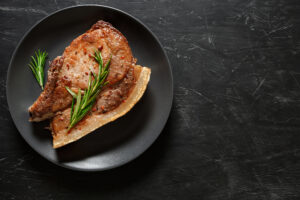
Pork presents a category-level value opportunity that requires specification-level execution. Weekly output fell 4.3% and trailed last year by 1.4%, but cash hog prices remained near six-year lows and all primals traded well below 2025. Bellies, loins and hams weakened; picnics and ribs rose 6.3% and 3%, respectively. USDA projects fourth-quarter supply only 0.2% below last year, while the commentary identifies weak consumption as a restraint on pricing. Review approved pork applications across concepts without assuming every item shares the same savings potential.
Outlook: Selective pork opportunities should persist, although anticipated winter hog tightening could produce uneven increases across contracted and spot items.
Produce

Produce risk is concentrated in avocados and potatoes. The 48-count Hass average rose 48% week over week to a 13-week high after a harvest stoppage and a shortened Mexican workweek. The report expects a brief avocado increase but questions whether prices can return to around $20 per carton before February’s typical seasonal rise. Potatoes have also missed their normal post-harvest correction, particularly concerning for larger sizes. Multi-unit teams should review size specifications, approved alternatives and exposure across menus rather than treating these moves as uniform produce inflation.
Outlook: Expect some avocado normalization, but retain conservative potato assumptions through the first half of 2027.
Dairy
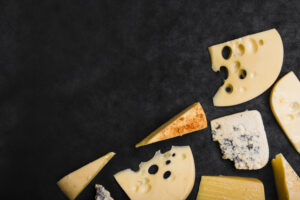
Dairy purchasing should separate underlying milk availability from holiday fat-market pressure. October milk output rose 2.4%, reflecting a 1.9% larger herd and 0.5% better yields, while full-year output is projected 2.7% above 2025. Cheese blocks, barrels and nonfat dry milk declined last week, but butter and dry whey rose. Butter remained 16% below last year, and whey’s weekly average set a record. For a multi-concept portfolio, cheese-heavy menus and butter- or cream-heavy menus therefore warrant different cost assumptions and supplier conversations.
Outlook: Broader milk growth should constrain cheese and butter upside, though near-term cream tightness may create temporary exceptions.
Grains

Most grains ended slightly lower, with soybean meal and spring wheat the exceptions. January soybean meal gained in nine of 11 sessions and broke above its 100-day moving average without support from corn or soybeans. The commentary attributes the divergence provisionally to Iowa harvest delays and tight western Corn Belt availability; it does not identify an Argentine planting problem. For procurement teams, the distinction matters: a localized feed-ingredient squeeze does not by itself justify a uniform inflation adjustment across grain-related categories or protein agreements.
Outlook: Monitor meal availability and supplier explanations, but avoid treating this isolated rally as confirmation of sustained, broad-based grain inflation.
Seafood

September import data showed frozen snow crab prices down 6% month over month to a seven-month low, matching pollock’s percentage decline. Snow crab’s main 2026 import season had ended, and demand also appeared to soften. The report anticipates some recovery into year-end before easing toward March, although stronger 2026 imports could moderate the seasonal rally. For multi-unit sourcing, distinguish lagged import indicators from current distributor offers and assess crab requirements by concept rather than extending the snow crab outlook to the entire seafood category.
Outlook: Use current supplier quotes to evaluate seasonal coverage, with a possible year-end increase followed by softer pricing toward March.
Need Help Managing Market Volatility?
Consolidated Concepts offers custom contract support, commodity tracking, and supply chain solutions to help operators thrive-no matter the market conditions. Reach out to see how we can help your business stay ahead of pricing swings and supply uncertainty.