
Freshly Picked Insights
- Still Managing Purchasing Like It’s 2015? Your Brand Can’t Afford That
- Is Menu Fatigue Hurting Your Traffic? Try These 3 Fixes
- Are “Hidden” Costs Eating Your Margins?
Produce

Tomato markets corrected quickly following last week’s spike as supply conditions improved. Lettuce is still holding firmer than anticipated due to ongoing harvest issues, though the larger trend points toward a weaker Q1. Potatoes remain steady and well below last year’s pricing, helping alleviate pressure for operators with heavy fry, mash, or baked potato usage across large menu portfolios.
Outlook: Expect tomatoes and lettuce to stay somewhat choppy through January, but the overall bias points lower as supply concerns ease. Potatoes should remain stable through the winter with only minor seasonal bumps.
Grains

Soybean oil posted another week of unexpected strength, even as soybeans weakened, driven by evolving biofuel policy expectations and usage adjustments reported by the EIA. With oil markets feeling slightly overbought, operators should keep a close eye on frying oil programs heading into 2026, especially those with large-scale, high-volume frying operations.
Outlook: Expect some volatility as biofuel policy updates unfold. SBO may feel overbought short-term, but operators shouldn’t expect dramatic relief until policy direction becomes clearer post-January.
Dairy

Cheese prices continued their downward trend, offering meaningful relief for operators with pizza, burger, and QSR concepts where cheese is a volume driver. Butter strengthened slightly on holiday demand, while fluid milk held steady. Production and inventory positions remain balanced, keeping dairy markets manageable as chains head into year-end traffic surges.
Outlook: Cheese should remain favorable through December, while butter likely holds firm before easing after holiday demand fades. Export activity remains quiet and shouldn’t pressure prices near-term.
Beef
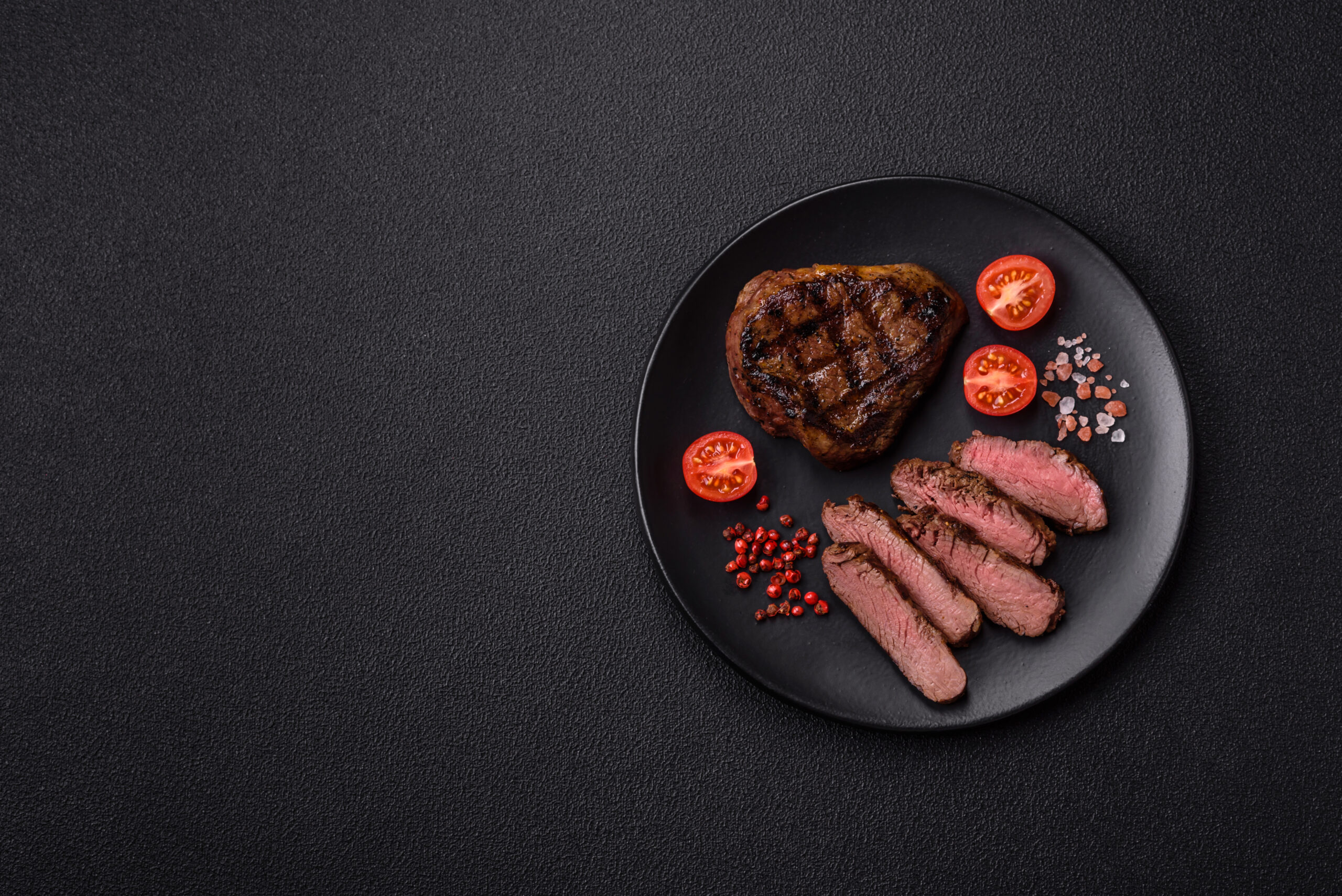
Beef trends were mixed, with premium cuts like ribeyes, striploins, and shortloins softening — a strategic opportunity for operators planning holiday LTOs or premium promotions. End cuts such as chucks and rounds remained steady, providing predictable cost control for value-focused applications and grind programs. Retailers shifting from post-Thanksgiving turkey inventory into beef features are reshaping holiday demand patterns across the cutout.
Outlook: As retailers clear freezer space from Thanksgiving turkeys and shift to December beef features, expect selective strength in holiday-driven cuts. Most other items should remain steady to slightly lower heading into late December.
Pork
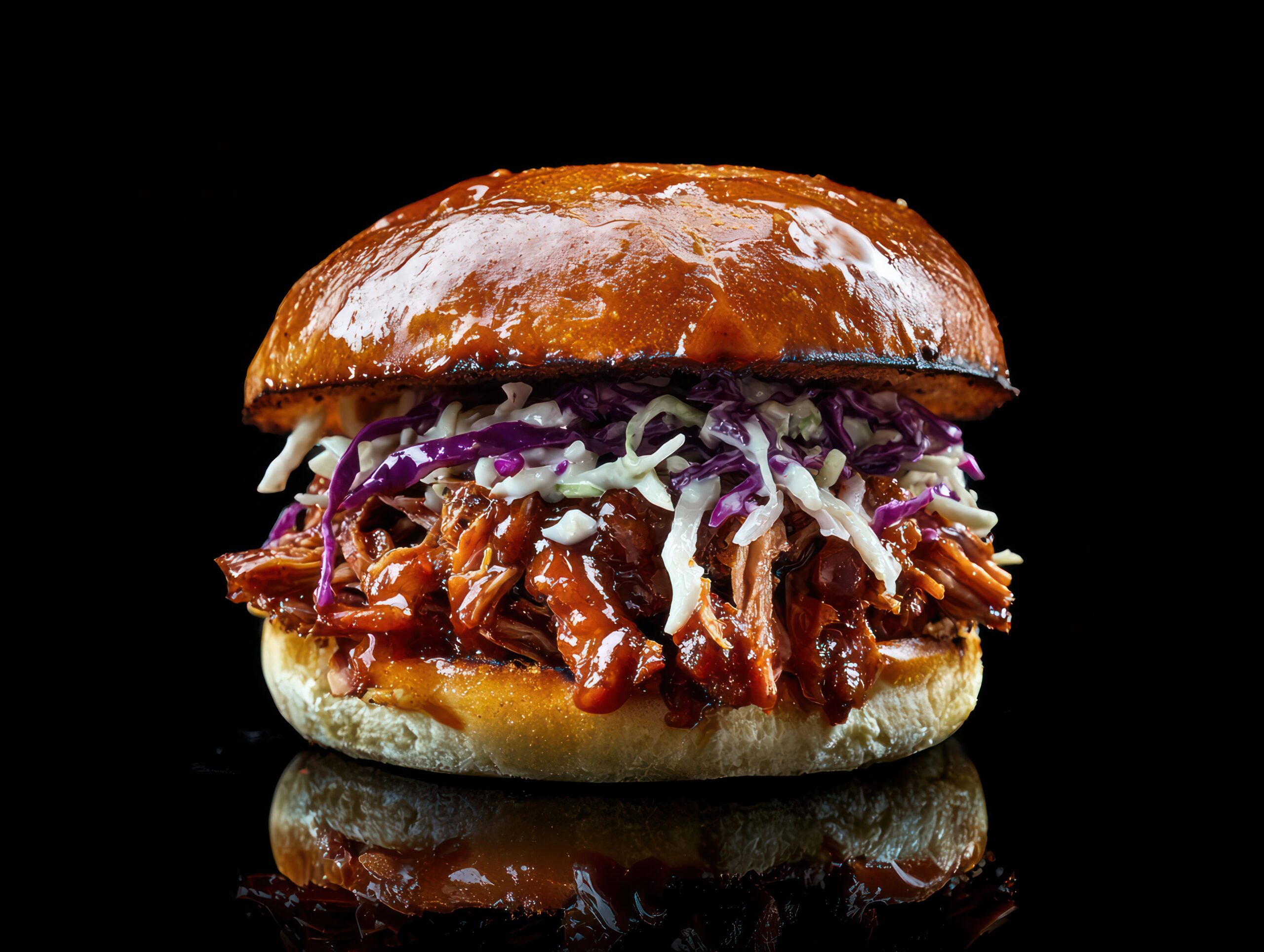
Pork markets leaned softer overall, with bellies, ribs, and butts easing while loins and tenderloins held firm. Export demand provided a lift to boneless pork butts — reinforcing pork’s global competitiveness — even as domestic demand remains soft. Pork continues to be one of the most dependable value proteins for multi-unit operators seeking flexibility and margin protection across menu tiers.
Outlook: With lean hog prices aligning closely with the futures market and no big demand growth expected, the pork cutout is expected to trend flat to slightly lower into early January — good news for operators looking for value proteins.
Poultry

Poultry markets held stable this week with minimal movement across breasts, tenders, wings, and thighs — a favorable environment for operators navigating tight labor and cost pressures. Wings continue to offer exceptional value, and dark meat remains a reliable low-cost protein to anchor menu engineering decisions. Turkey pricing and egg markets are still elevated year-over-year, driven in part by lingering HPAI risks, but overall poultry supply remains strong.
Outlook: Expect poultry prices to stay generally stable through the holidays. Increased production and ongoing HPAI concerns may tug the market in opposite directions, but neither looks strong enough to cause a major swing. Short-term stability, slight seasonal lift.
Seafood

Pollock bounced sharply after months of consistent declines that pushed the item to six-year lows earlier this year. Prices likely climbed further through early fall, though longer-term trends point toward a softer Q1. This positions pollock as a strategic opportunity for menu renewals, LTO planning, and value seafood offerings in 2026.
Outlook: Pollock should trend lower in early 2026, making it an opportunity for operators planning LTOs, fish sandwiches, or value-driven seafood offerings.
Need Help Managing Market Volatility?
Consolidated Concepts offers custom contract support, commodity tracking, and supply chain solutions to help operators thrive—no matter the market conditions. Reach out to see how we can help your business stay ahead of pricing swings and supply uncertainty.