
Freshly Picked Insights
- Running Multiple Locations… But Still Managing Purchasing in Spreadsheets?
- Invoice Errors Are Quietly Eating Your Margins. Are You Catching Them?
- Restaurants Lose Up to 10% of Food Purchases to Waste. How Efficient Is Your Operation?
Produce

Produce markets saw diverging trends last week. Lettuce prices continued easing from their February highs, while Roma tomatoes surged dramatically, climbing more than 76% week over week to $37 per carton due to crop damage in Mexico and freeze impacts in the Eastern U.S.
Outlook: Tomato supply disruptions could keep prices volatile in the near term. Multi-unit operators may need to monitor produce costs closely and consider flexible sourcing or menu adjustments until supply conditions normalize.
Grains

Grain markets continued their recent strength, led by soybean oil along with wheat, corn, and other row crops. Rising crude oil prices and geopolitical tensions affecting fertilizer and biofuel markets have contributed to the upward momentum.
Outlook: Sustained strength in grain markets could eventually influence feed costs and ripple into protein pricing later in the year. Multi-unit operators should keep an eye on grain trends as a leading indicator for potential shifts in meat and poultry costs.
Dairy

Dairy markets were active last week, with butter showing the largest move. Weekly averages for butter climbed nearly 13%, while cheese prices increased modestly and nonfat dry milk posted gains. Export demand continues to support butter pricing, while domestic demand appears slightly softer.
Outlook: Butter markets may remain supported by international demand, though softer domestic usage could moderate further increases. Cheese supplies remain more available, which may help keep cheese pricing relatively stable for operators managing food costs across multiple units.
Beef
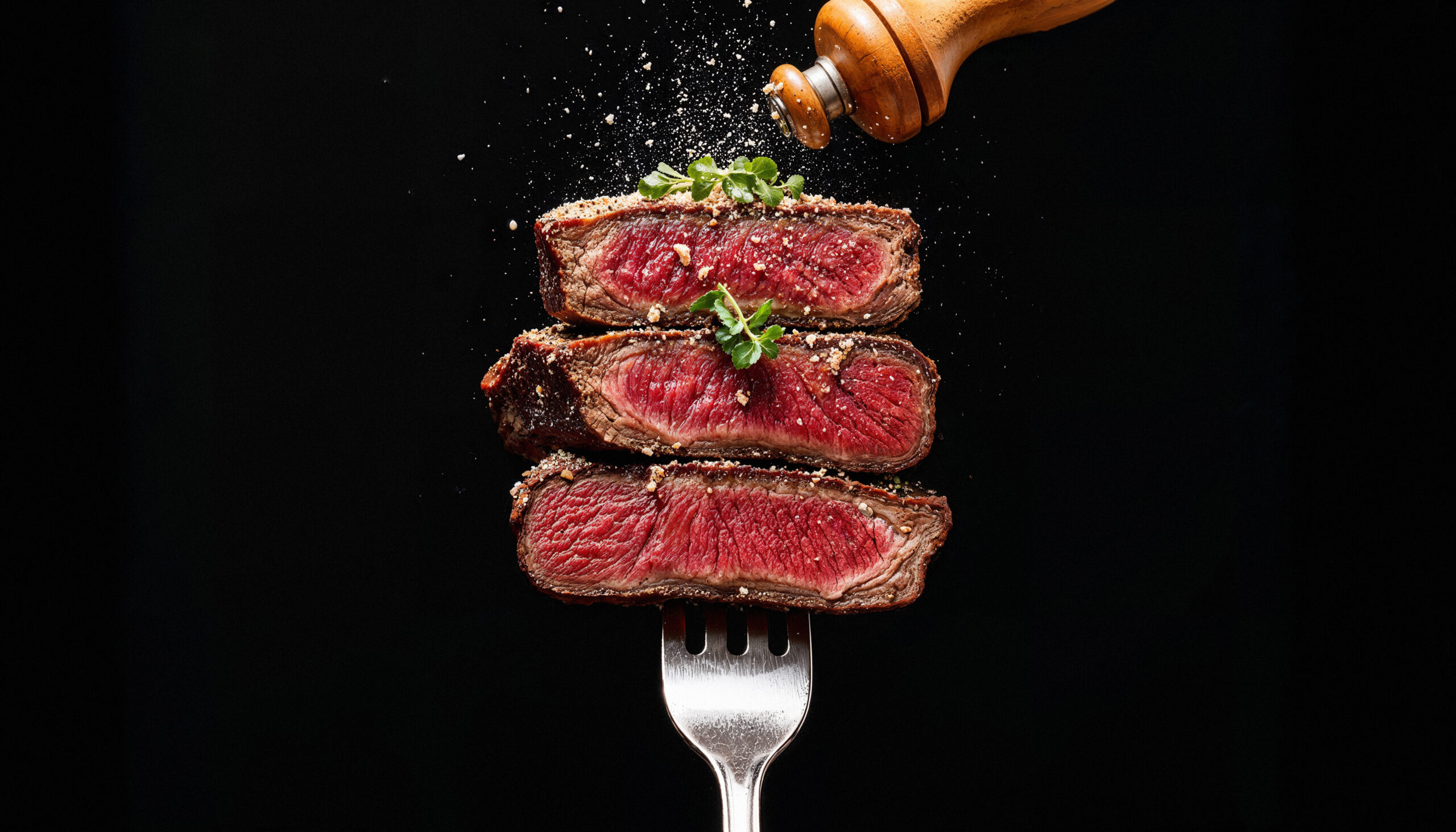
Beef prices trended higher last week, with Choice and Select cutouts rising around 2–3%. Gains were led by rib, loin, flank, and plate primals as seasonal demand patterns begin to build heading into spring. Packers remain cautious, though margins have improved slightly compared to earlier this winter.
Outlook: While beef markets remain firm in the short term, improving drought conditions in key cattle regions could support herd rebuilding over time. In the near term, multi-unit operators should expect beef to remain a higher-cost center and plan promotions carefully relative to alternative proteins.
Pork
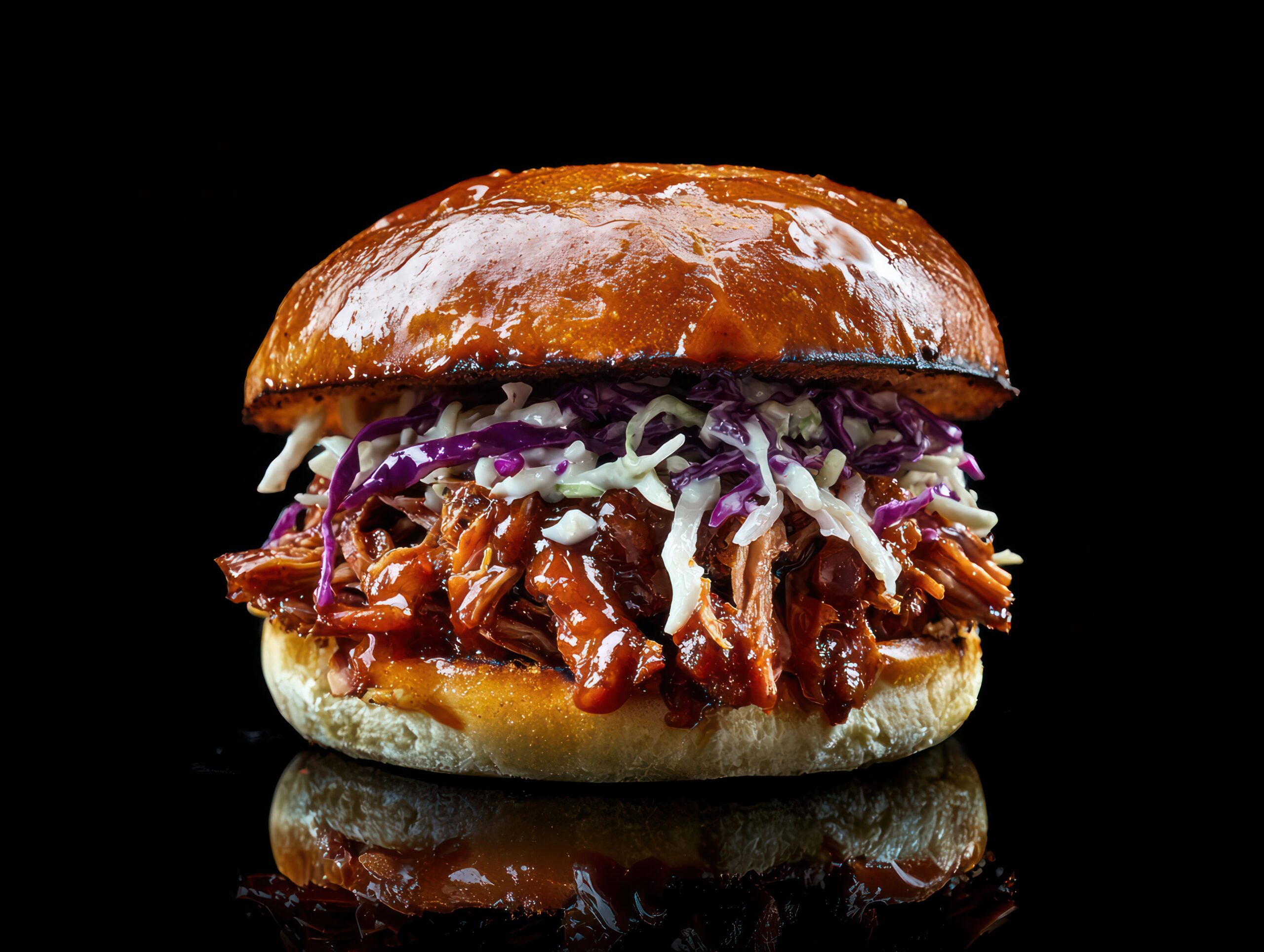
Pork production remains elevated, running more than 5% above last year despite a slight week-over-week decline in slaughter. Even with higher supply, the pork cutout increased about 1% last week, supported by a 6% jump in belly prices. Meanwhile, rib prices moved lower, with St. Louis ribs continuing to trade at a steep discount to babybacks.
Outlook: As the industry approaches the spring grilling season, pork prices typically move higher. The current spread between St. Louis and babyback ribs could narrow, presenting potential purchasing opportunities for operators looking to manage protein costs across multiple locations.
Poultry
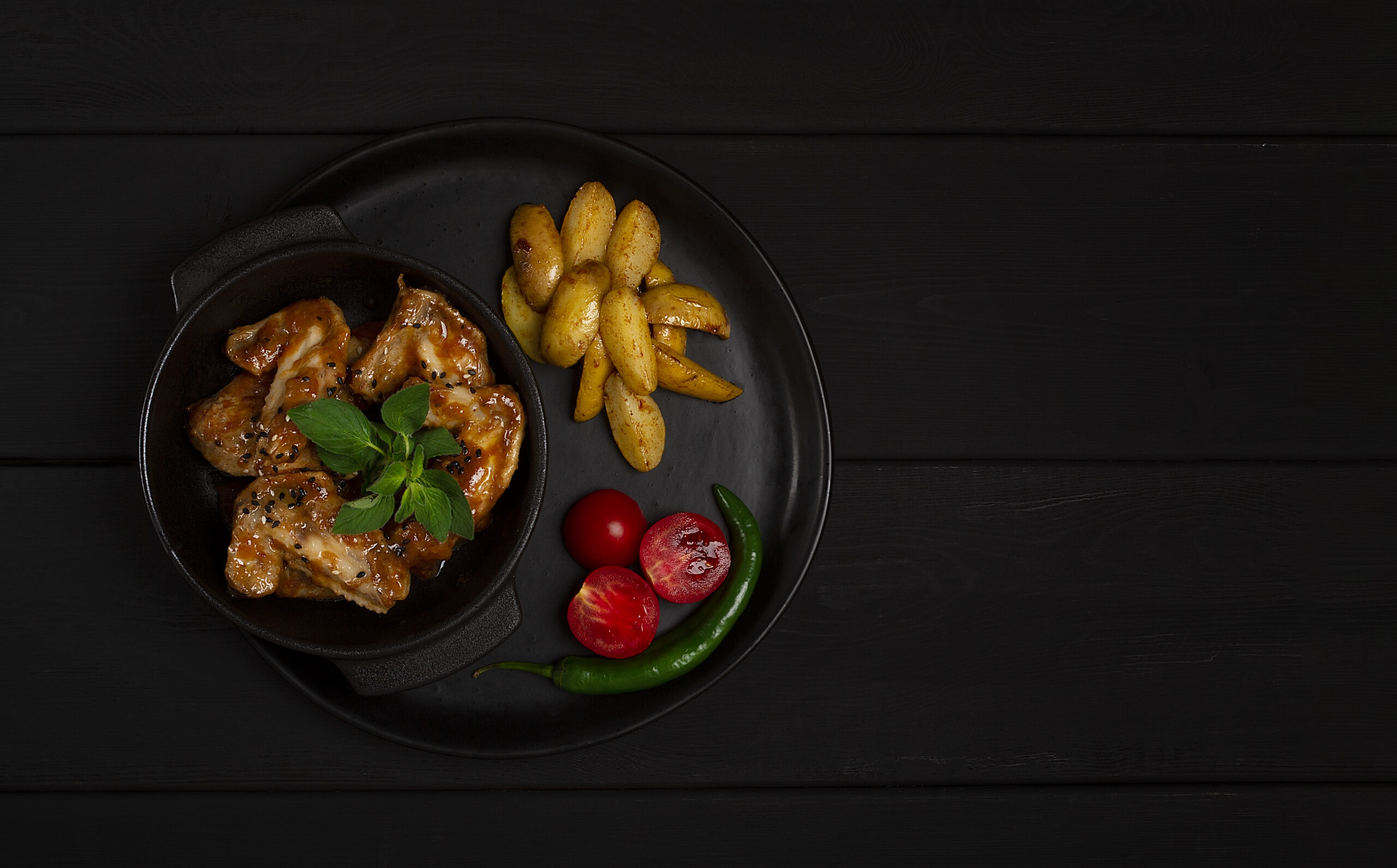
Chicken production continues to run above last year’s levels, with weekly slaughter reaching 174.9 million head—up both week over week and year over year. Prices moved mixed last week: breasts, thighs, leg quarters, and whole birds edged higher, while wings dropped nearly 9% to their lowest level in seven weeks. Strong production gains have helped prevent the usual seasonal price increases across the chicken complex.
Outlook: Chicken continues to maintain a meaningful price advantage compared to beef, which could influence menu strategy for multi-unit operators looking to balance food costs. If production growth slows closer to USDA projections later this year, breast prices may strengthen, especially if operators increase chicken promotions across menus.
Seafood
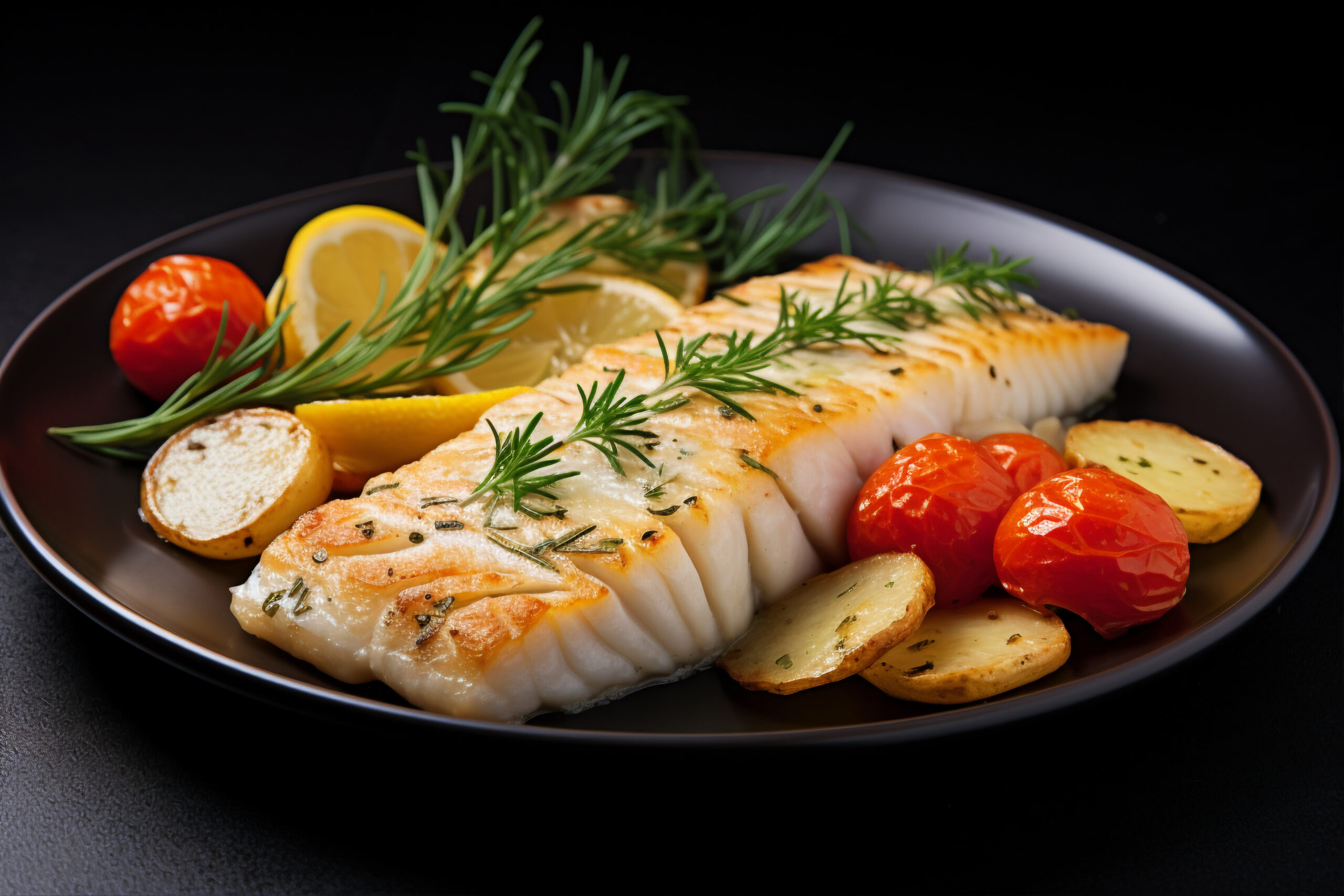
Tilapia prices showed signs of stabilizing after a sharp correction earlier in 2025. However, strong import volumes—now near their highest levels since the pandemic—continue to keep supply plentiful.
Outlook: With imports remaining strong, tilapia prices may remain relatively stable in the near term. For operators managing menu mix across multiple locations, tilapia could continue to provide a consistent and cost-effective seafood option.
Need Help Managing Market Volatility?
Consolidated Concepts offers custom contract support, commodity tracking, and supply chain solutions to help operators thrive—no matter the market conditions. Reach out to see how we can help your business stay ahead of pricing swings and supply uncertainty.