
Freshly Picked Insights
- Turn Every Location’s Spend Into A Margin Strategy: How Restaurant Rebates Really Work
- Automate The Right Things First: Where Restaurant Brands See The Biggest Cost Impact
- Price Your Bar Like a Profit Center: Pour Cost, Pricing Tiers, and Margin Control That Scales
Produce

Tomatoes led produce gains again, with 25 lb. large romas up nearly 15% w/w due to ongoing freeze-related supply disruptions. Iceberg lettuce posted its first weekly decline since early January, falling more than 19% w/w after reaching elevated price levels near $50/carton. Western yield challenges persist.
Outlook: Tomato pricing is unlikely to return to seasonal norms in the near term, particularly with supply uncertainty in both the U.S. and Mexico. Lettuce may have established a short-term ceiling, but supply constraints could keep markets elevated through early spring. Concepts with heavy fresh produce usage should continue active monitoring.
Grains

Corn and soybeans extended their rally, with soybean oil now the top-performing commodity year-to-date. The move is largely driven by speculation around 2026 biofuel blending mandates, which remain unresolved.
Outlook: Grain markets are highly policy-sensitive heading into late March. If EPA mandates come in below expectations, soybean oil and related markets could correct sharply. Until clarity emerges, volatility remains elevated and could influence feed costs and downstream protein pricing.
Dairy

Cheese markets moved modestly higher, with blocks at $1.53/lb and barrels at $1.56/lb. Butter eased slightly to $1.86/lb. Retail demand remains strong, and manufacturing output is robust, keeping supply adequate. Year-to-date block prices remain below both last year and the five-year average.
Outlook: Cheese pricing appears steady with modest upside potential supported by retail and export demand. Butter remains balanced, though heavy production schedules may limit significant short-term spikes. Dairy continues to provide relatively stable input costs compared to other proteins.
Beef
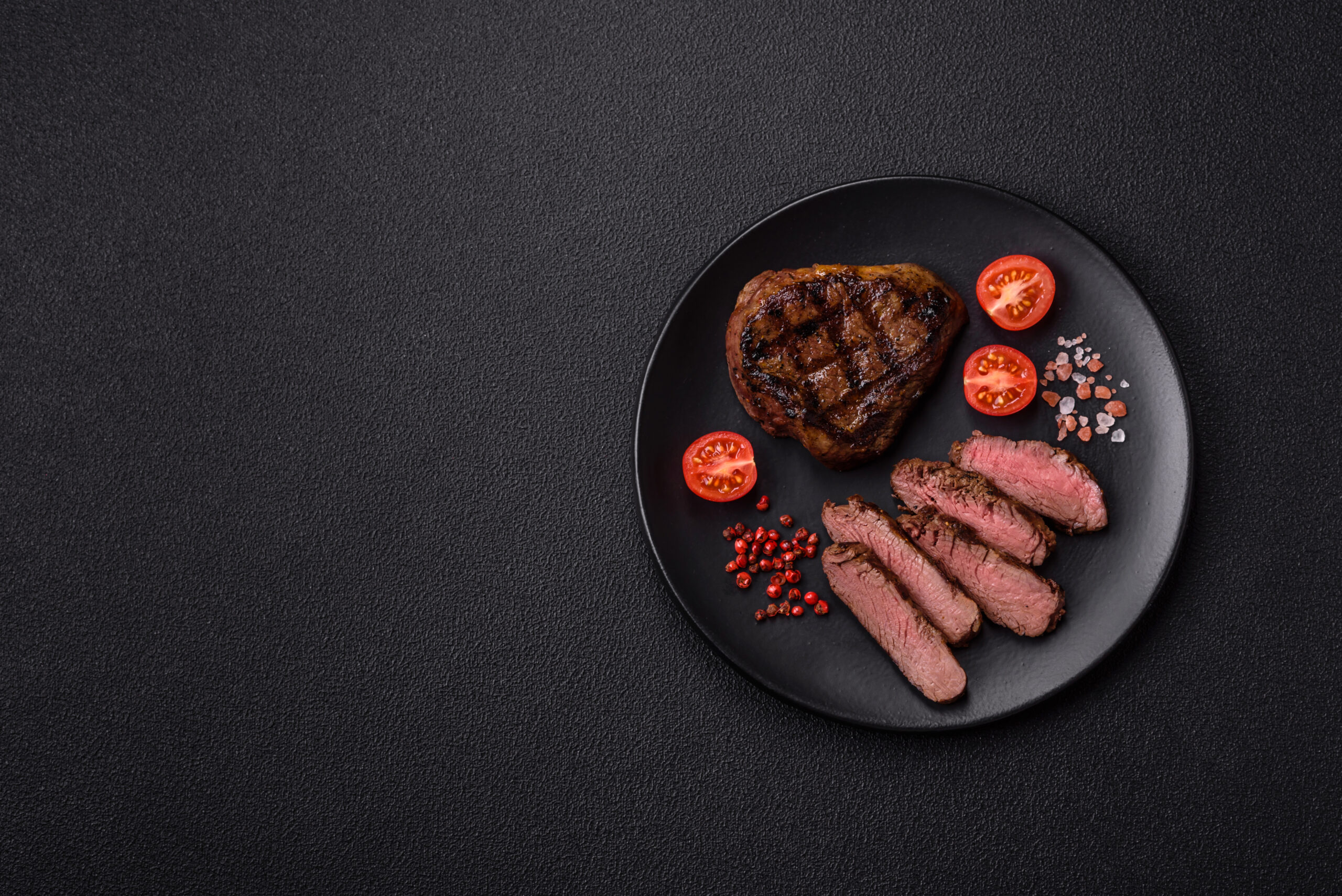
Choice and select cutouts both rose 3% last week, with choice reaching $377.89/cwt as packers slowed harvest to support pricing. Premium middle meats strengthened meaningfully, including ribeyes at $11.35/lb and striploins at $10.11/lb. Ground beef 81% climbed to $3.84/lb, and trim markets also moved higher.
Outlook: Supply discipline is working in the packers’ favor, and strong February shortloin sales are expected to push loin pricing higher through March. Multi-unit concepts featuring steak programs should anticipate continued firmness in middle meats and plan accordingly for Q2 cost pressure.
Pork
The pork cutout increased 2% to $97.38/cwt, supported by a 5% rise in bellies and strength in trim. Loins were mixed, with boneless loins slightly lower at $1.38/lb, while ribs declined 4%. Hams softened 2% amid lighter retail pull.
Outlook: While retail demand remains moderate, freezer restocking and anticipated improvement in export activity may help stabilize the market. Pork continues to offer relative value versus beef, with belly strength worth monitoring for bacon-heavy or LTO-driven concepts.
Poultry
Chicken markets were largely steady, with harvest down 3.5% week-over-week but still up 3.3% year-over-year. Breasts held at $1.47/lb (up 16.5% m/m), tenderloins stayed at $1.52/lb, and wings eased slightly to $1.20/lb but remain 37% below last year. Dark meat continues to strengthen, with boneless/skinless thighs up 7% m/m and 10% y/y. Egg prices fell sharply, down 26% w/w and now 89% below last year.
Outlook: Chicken remains one of the more stable animal proteins heading into March, though dark meat may continue firming. For multi-unit operators, this is a window to evaluate mix optimization and menu positioning before any broader spring demand lift. Eggs remain favorable, but avian influenza risk keeps volatility on the table.
Seafood
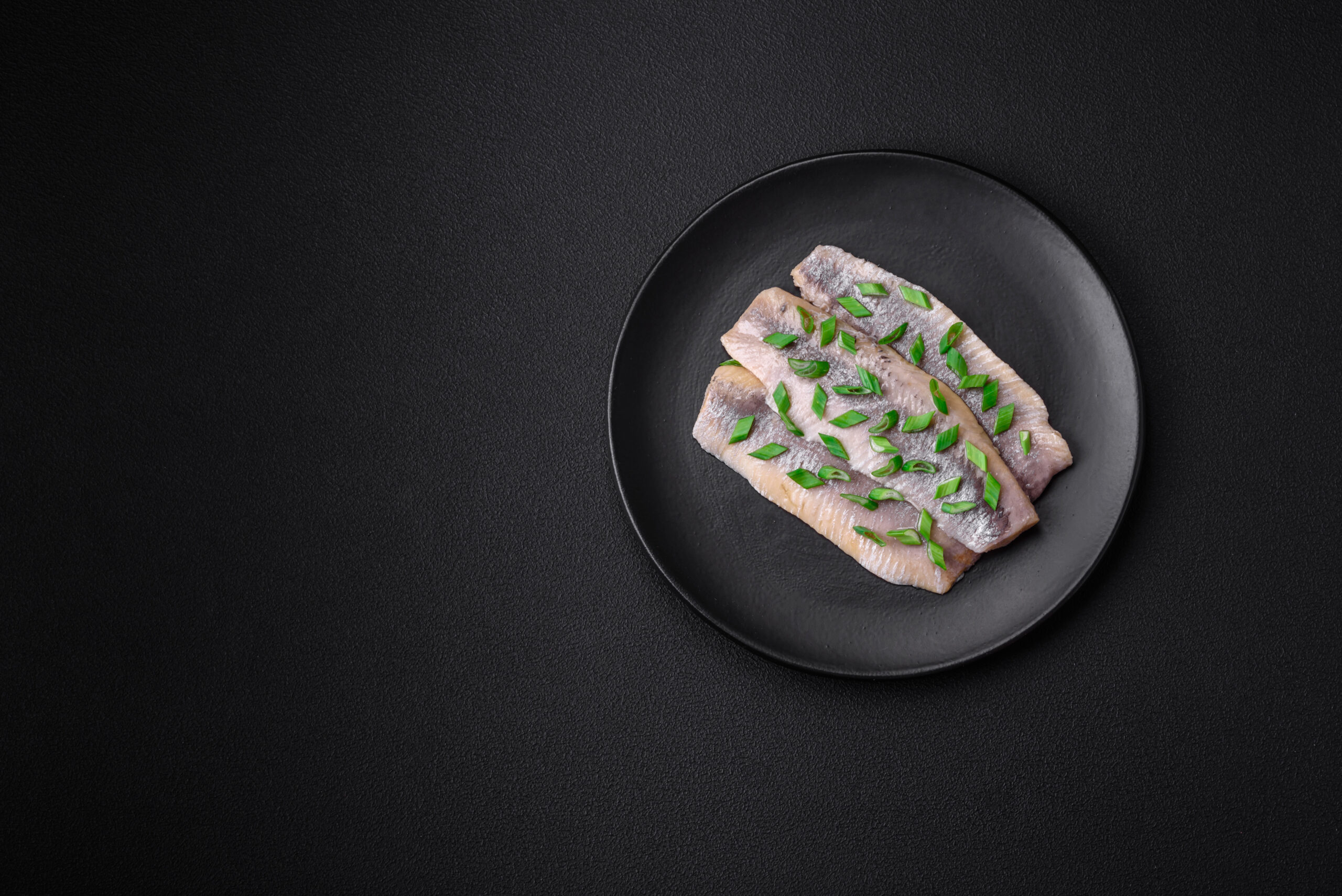
Frozen tilapia filets rebounded 11% m/m after a late-2025 decline, fueled by reduced import volumes. Q1 seasonality is historically more volatile, and recent pricing reflects that shift.
Outlook: Tilapia may trend sideways to slightly lower short term before a potential March or April spike. Historically, early spring has marked the annual high for this item, though upside may be capped near $2/lb before easing later in the year. Multi-unit seafood programs should plan for seasonal fluctuation.
Need Help Managing Market Volatility?
Consolidated Concepts offers custom contract support, commodity tracking, and supply chain solutions to help operators thrive—no matter the market conditions. Reach out to see how we can help your business stay ahead of pricing swings and supply uncertainty.