
Freshly Picked Insights
- Is Your Restaurant Brand Growing Fast? Don’t Let Profits Slip Away
- New Leadership, Same Mission—Helping Operators Win
- Your Launchpad Just Got an Upgrade
Produce

Iceberg lettuce surged another 52% week-over-week, surpassing $50 per carton and reaching its highest point since late 2022. Tight supply out West and limited field yields continue to drive the spike. Roma tomatoes were also firmer but appear closer to topping out.
Outlook: Lettuce prices may climb beyond $60 per carton before easing by late November as growing transitions occur. Operators should consider short-term menu adjustments or contract coverage to offset elevated produce costs through mid-month.
Grains

Grains ended mostly higher, with soybean oil weaker but soybeans and corn showing mild strength after the new U.S.–China trade agreement. China agreed to purchase 12 MMT of U.S. soybeans this year and 25 MMT annually over the next three years, providing some demand optimism.
Outlook: Soybean prices may find modest support from renewed export commitments, while corn and wheat markets are expected to remain range-bound through the winter pending weather trends and further trade developments.
Dairy

Butter slipped modestly to $1.58/lb while cheese blocks and barrels each gained $0.05 to $1.83/lb. Milk production remains strong, ensuring steady cream and cheese supplies. Demand is balanced, supported by consistent retail and export activity, while inventories remain stable ahead of the holidays.
Outlook: With production schedules strong and exports steady, the dairy complex is expected to remain balanced through November. Minor fluctuations may occur as butter demand rises seasonally ahead of Thanksgiving.
Beef
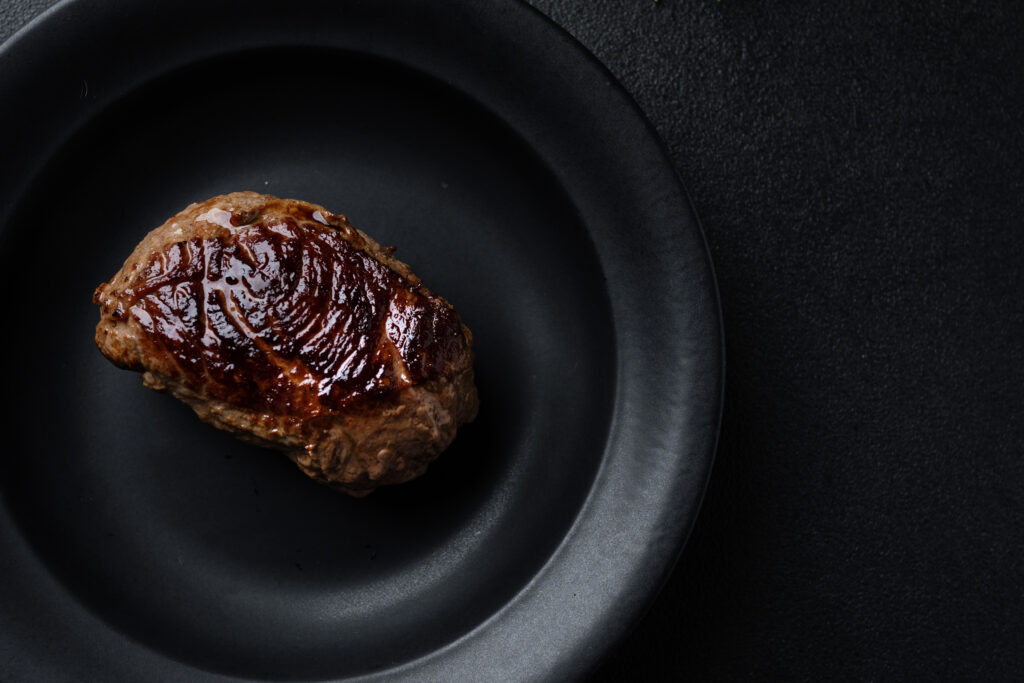
Cattle markets softened last week, with live cattle contracts down as much as 5%. Primal ribs and tenderloins gained ahead of the holidays, while rounds declined. Ground beef and 50% trim firmed slightly, supported by steady retail movement. Despite cutout gains, futures fell amid rising import volumes and risk-off market sentiment.
Outlook: Seasonal strength in premium beef cuts should persist through the holiday season, but softer demand for end meats and ground beef could pressure overall beef values if consumer spending slows in November.
Pork
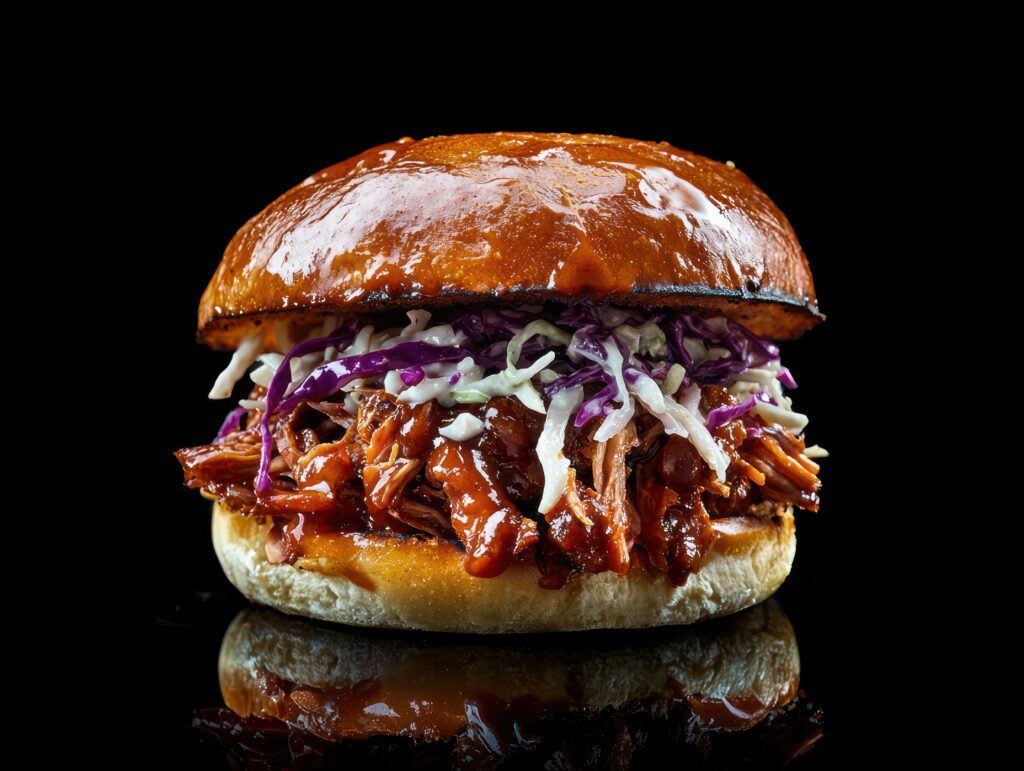
Pork markets declined again, with loins down 6% and butts off 10%. Bellies were the exception, climbing 7% to $152.26/cwt as bacon demand remained firm. Trims were mostly steady, while hams dropped 7%. Despite a rebound in export activity, domestic cutout values weakened.
Outlook: The pork complex continues to trend lower, led by weaker domestic demand and falling hog futures. Expect further softening through mid-November, particularly for butts and hams, though bellies should stay supported by seasonal retail demand.
Poultry
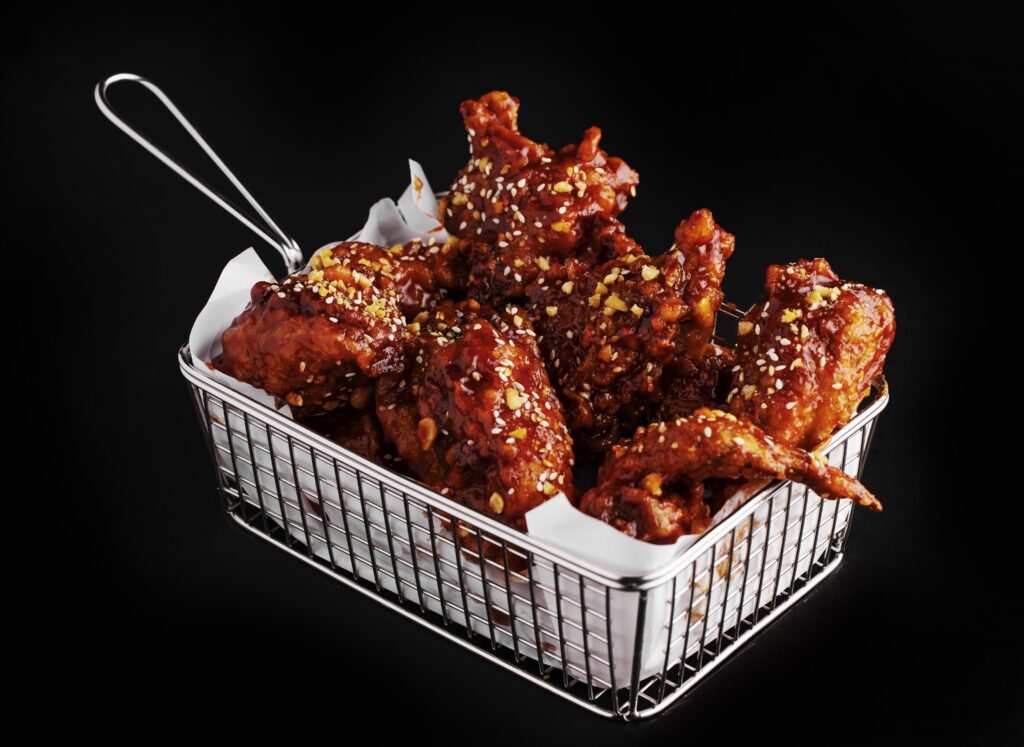
Harvest volumes eased slightly week-over-week but remain 2% stronger than last year. Boneless/skinless breasts dropped to $1.11/lb, tenderloins held at $1.40/lb, and wings were steady at $1.08/lb but remain 45% below last year’s level. Dark meat pricing continues to weaken, with boneless thighs down $0.13 to $1.36/lb. Turkey and egg prices were stable, though turkey breasts remain significantly elevated year-over-year.
Outlook: Poultry prices have reached multi-year lows due to ample supply and reduced retail and foodservice demand. If SNAP benefits are disrupted, lower consumer purchasing power could pressure chicken prices further, creating potential buying opportunities for operators later this month.
Seafood

Mahi-mahi prices have remained high but relatively steady, up 38% year-to-date, following normal seasonal patterns. Prices are still elevated due to slow import volumes and lingering supply constraints earlier in the year.
Outlook: Prices are likely to edge lower by year-end as imports increase, but limited supply could keep mahi above typical seasonal levels. Operators may want to secure current contracts before winter demand softens.
Need Help Managing Market Volatility?
Consolidated Concepts offers custom contract support, commodity tracking, and supply chain solutions to help operators thrive—no matter the market conditions. Reach out to see how we can help your business stay ahead of pricing swings and supply uncertainty.