Freshly Picked, July 7, 2026


Freshly Picked Insights
- Innovate Your Menu Without Hurting Margins
- Cut Costs Without Adding More Staff
- Scale Your Chain Without Wasting Money
Poultry

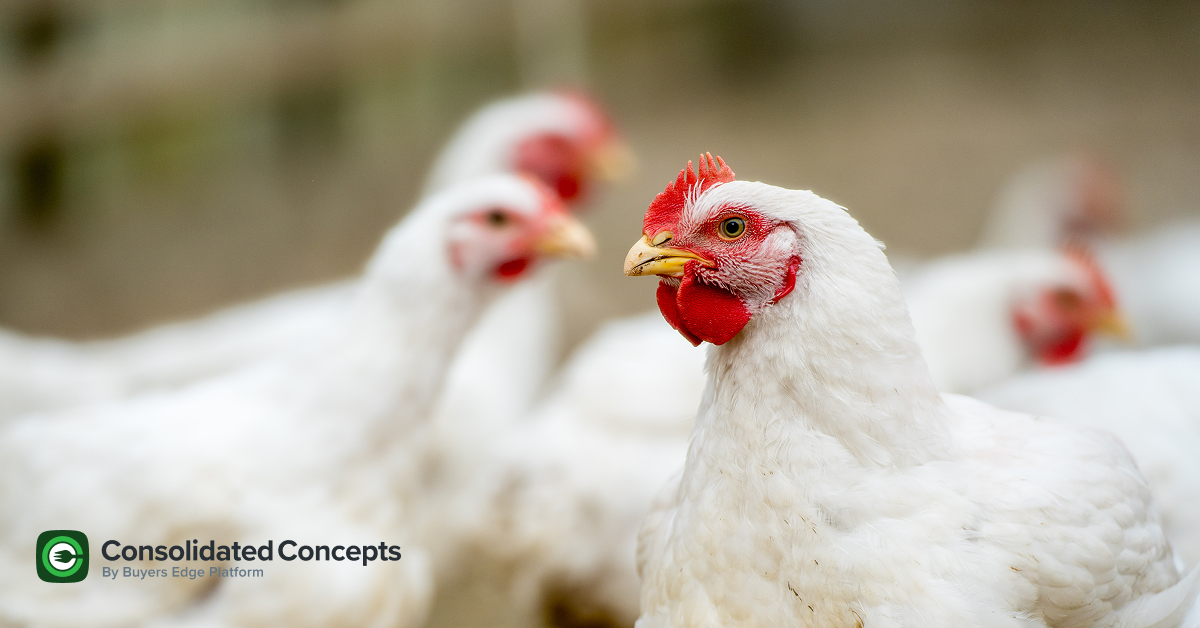
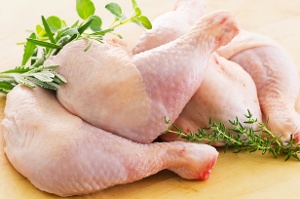
Production continues to outpace 2025, with year-to-date output up 2.6% and weekly slaughter trending about 2% higher year over year. Even with that added volume, the market is mixed: boneless skinless breast meat has slipped to a seven-month low and tenders are down 6%, while wings jumped 8% last week to a 13-week high. Record-high bird weights, up 3.7% from last year, are helping keep overall supply plentiful.
Outlook: Poultry remains relatively balanced for now, but wing volatility and uneven cut performance could create very different cost stories across the bird.
Beef

Cattle slaughter remains constrained, down 8.3% from the same week last year, keeping underlying beef supply tight. At the same time, boxed beef values softened 1.5% last week, with some loin cuts including strips and top sirloins trading below 2025 levels. Broader supply pressure is still in place, and any changes in processor demand could keep the market reactive.
Outlook: Beef remains a high-cost category overall, but there may still be selective value opportunities in certain middle meats and end cuts.
Pork

Pork continues to stand out as one of the better protein values in the market. Although the cutout rose about 1% last week, bellies remain down 33% from a year ago, and second-quarter pork performance was much softer than normal seasonal patterns would suggest. Supply remains ample in the near term, but the market may not stay this comfortable
indefinitely.
Outlook: Pork is still attractive for menu placement, though seasonal firming later in the quarter could start to narrow today’s value advantage.
Produce

Produce markets offered some welcome relief last week after several weeks of increases. Iceberg lettuce fell 28% week over week as supplies improved, while avocados dropped 19.7% to a six-week low. Roma tomatoes also moved lower, down 16.8% to a new year-to-date low, giving operators a bit of breathing room across several key items.
Outlook: Produce costs have eased in the short term, but seasonal transitions can shift these markets quickly, so this remains a category to watch closely.
Dairy

Dairy continues to provide some cost relief, with June CME cheese block prices averaging 18% below last year and marking one of the weakest June averages in the past decade. Even so, seasonal heat is starting to weigh on milk production, and spot load availability has tightened enough to suggest the market may be nearing a floor.
Outlook: Dairy remains favorable for buyers today, but weakening production trends could limit how much further prices fall.
Grains

Grain markets were steady to firmer following the USDA’s June Acreage Report, with corn stocks estimated at 5.295 billion bushels — below trade expectations and a sign that demand remains strong. That tighter-than-expected supply picture has kept attention focused on weather and yield potential as the market moves deeper into the growing season.
Outlook: Grain volatility could build quickly from here, especially if weather concerns add pressure to an already tighter supply setup.
Seafood
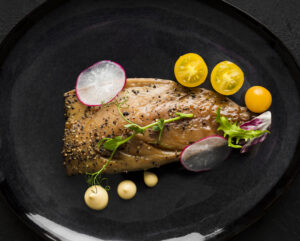
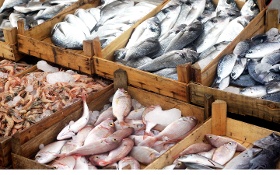
Frozen Alaskan pollock remains one of the more notable seafood stories, with pricing reaching a 17-month high after climbing 26% since February. Tight import volumes have been the main driver, though recent data suggests that supply may be starting to stabilize. Even so, the market is still elevated compared to earlier this year.
Outlook: Seafood pricing remains firm in key categories, and while some relief may develop later, near-term costs are still likely to stay elevated.
Need Help Managing Market Volatility?
Consolidated Concepts offers custom contract support, commodity tracking, and supply chain solutions to help operators thrive—no matter the market conditions. Reach out to see how we can help your business stay ahead of pricing swings and supply uncertainty.